mushroom and shrooms
Mushrooms Vitamins minerals
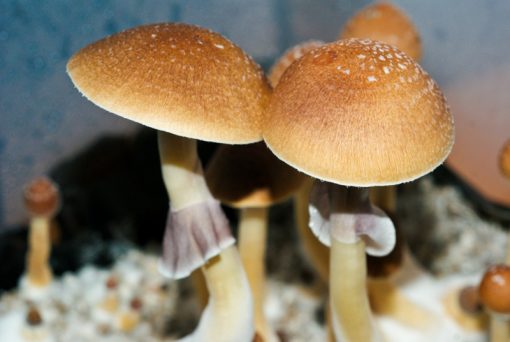
Apr
Title
Mushrooms Vitamins & Minerals: Benefits, Nutrition, Farming & Identification Guide
Introduction
Mushrooms are a unique group of edible fungi valued for their rich vitamin and mineral content. Widely used in cooking and nutrition, they provide essential nutrients while being low in calories and high in health value.
From home growing and farming to proper identification and safe consumption, mushrooms are an important part of modern diets and sustainable agriculture. This guide explores mushroom nutrition, benefits, and practical insights for everyday use.
Mushroom Basics
What Are Edible Mushrooms?
Edible mushrooms are fungi that are:
- safe for human consumption
- cultivated or grown in controlled environments
- used in a variety of dishes
Common edible mushrooms include:
- button mushrooms
- oyster mushrooms
- shiitake mushrooms
Mushroom Identification
Correct identification is essential for safety.
Key Identification Features
- cap shape and color
- stem structure
- gills or pores underneath
Safety Tips
- buy from trusted sources
- avoid wild mushrooms unless identified by experts
- use reliable guides
Growing Mushrooms at Home

Mushrooms can be grown at home using simple kits.
Basic Requirements
- substrate (growing medium)
- spores or mycelium
- moisture and humidity control
Home growing is popular for:
- fresh food production
- educational purposes
- sustainable living
Nutrition & Benefits
Vitamins in Mushrooms
Mushrooms are rich in several essential vitamins:
- Vitamin B2 (Riboflavin) – supports energy production
- Vitamin B3 (Niacin) – helps metabolism and skin health
- Vitamin B5 (Pantothenic acid) – supports brain function
- Vitamin D (in some mushrooms) – supports bone health
Minerals in Mushrooms
Mushrooms provide important minerals such as:
- Selenium – antioxidant support
- Potassium – supports heart and muscle function
- Copper – helps iron metabolism
- Phosphorus – supports bone health
Protein & Nutritional Value
Mushrooms contain:
- small amounts of plant-based protein
- dietary fiber
- bioactive compounds
They are:
- low in fat
- low in calories
- nutrient-dense
Health Benefits
Regular consumption of edible mushrooms may support:
- immune system function
- digestion (due to fiber)
- energy levels
- overall wellbeing
Therapy & Mental Health Clarification
- Edible mushrooms are nutritional foods, not psychiatric therapies
- They do not produce “magic” or hallucinatory effects
- Research into other compounds is conducted only in controlled clinical settings
Farming & Economic Value
Mushroom farming is an important agricultural sector.
Farming Benefits
- efficient use of space
- fast growth cycles
- sustainable production
Economic Value
- widely sold in markets
- used in food and supplement industries
- growing demand globally
Importance of Mushrooms
Mushrooms are important because they:
- provide essential nutrients
- support sustainable agriculture
- contribute to ecosystems by recycling organic matter
Legal & Safety Considerations (Australia)
In Australia:
- edible mushrooms are legal and widely available
- other mushroom types may be regulated
For official information:
- Therapeutic Goods Administration
Where to Learn More
Explore more about mushrooms:
Visit:
https://psychedelicsandshrooms.com
Internal resources:
- https://psychedelicsandshrooms.com/mushroom-benefits
- https://psychedelicsandshrooms.com/mushroom-growing-guide
External institutions:
- University of Melbourne
- Monash University
Frequently Asked Questions
What vitamins are in mushrooms?
Mushrooms contain B vitamins and sometimes vitamin D.
Do mushrooms contain protein?
Yes, they contain small amounts of plant-based protein.
Are mushrooms healthy?
Yes, they are nutrient-dense and support overall health.
Can I grow mushrooms at home?
Yes, using kits and controlled conditions.
Are all mushrooms edible?
No, some are toxic—proper identification is essential.
Conclusion
Mushrooms are a nutritional powerhouse, offering essential vitamins, minerals, and health benefits. Whether grown at home or purchased fresh, they provide a valuable addition to a balanced diet.
Understanding their nutritional content, identification, and farming methods ensures safe and beneficial use, making mushrooms an important part of both health and sustainable food systems.
