Uncategorized
Mushroom nutrients value
Apr
Title
Mushroom Nutrients Value: Vitamins, Minerals, Protein, Fibre & Health Benefits (Australia Guide)
Introduction
Mushrooms are nutrient-dense foods widely consumed in Australia and around the world. As members of the Fungus kingdom, they provide a unique combination of vitamins, minerals, fibre, and plant-based protein.
This guide explains the nutritional value of mushrooms, their key nutrients like magnesium and vitamins, and their health benefits for everyday diets.
Mushroom Nutrition Basics
What Are Mushroom Nutrients value
Mushroom nutrients value include:
- vitamins
- minerals
- dietary fibre
- protein
- bioactive compounds
These nutrients contribute to overall health and wellness.
Key Nutrients in Mushrooms
1. Vitamins in Mushrooms
Mushrooms contain important vitamins such as:
- Vitamin B2 (riboflavin)
- Vitamin B3 (niacin)
- Vitamin B5 (pantothenic acid)
- small amounts of Vitamin D (when exposed to sunlight)
2. Minerals in Mushrooms
Mushrooms are rich in essential minerals:
- magnesium
- potassium
- selenium
- copper
- phosphorus
3. Protein Content
Mushrooms contain plant-based protein, making them useful for:
- vegetarian diets
- balanced nutrition plans
- low-fat meals
While not a high-protein food, they contribute to dietary balance.
4. Fibre Benefits
Mushrooms are a good source of dietary fibre, which supports:
- digestion
- gut health
- satiety (feeling full)
Health & Benefits
Nutritional Value for Health
Mushrooms provide:
- low-calorie nutrition
- nutrient density
- antioxidants
They are widely used in healthy diets in Australia (“Australia”).
Health Benefits
Regular consumption of mushrooms may support:
- immune system function
- digestive health
- energy metabolism
- heart health support
Magnesium & Body Function
Magnesium in mushrooms helps:
- muscle function
- nerve function
- energy production
It is an essential mineral for daily health.
Mushroom Use & Market Value
Mushroom Value in Nutrition Markets
Mushrooms have increasing value in:
- health food markets
- functional foods
- supplements
- fresh produce sales
Mushroom Products
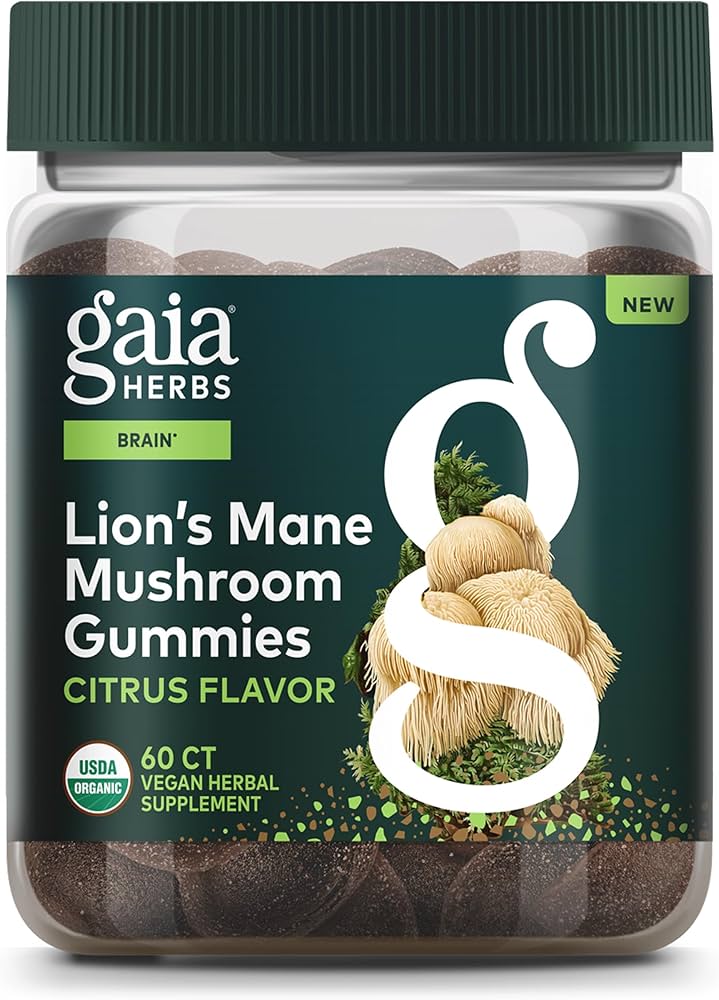
Mushrooms are sold in various forms:
- fresh mushrooms
- dried mushrooms
- powders
- functional supplements
These products increase accessibility of nutrients.
Mushrooms in Australia

In Australia, mushrooms are:
- widely cultivated
- sold in supermarkets and markets
- part of sustainable agriculture systems
Safety & Nutrition Information
Mushrooms are generally safe when:
- sourced from trusted suppliers
- properly identified (for wild varieties)
- stored correctly
For official nutrition guidance:
- World Health Organization
https://www.who.int - Therapeutic Goods Administration
https://www.tga.gov.au
Where to Learn More
Visit:
https://psychedelicsandshrooms.com
Internal resources:
https://psychedelicsandshrooms.com
External high-authority sources:
- https://en.wikipedia.org/wiki/Mushroom
- https://en.wikipedia.org/wiki/Nutrition
- https://en.wikipedia.org/wiki/Dietary_fiber
- University of Melbourne
https://www.unimelb.edu.au - Monash University
https://www.monash.edu
Frequently Asked Questions
What nutrients are found in mushrooms?
Mushrooms contain vitamins, minerals, fibre, and small amounts of protein.
Are mushrooms healthy?
Yes, they are low-calorie and nutrient-dense foods.
Do mushrooms contain magnesium?
Yes, mushrooms contain magnesium, which supports body functions.
Are mushrooms good for protein intake?
They provide small amounts of plant-based protein.
Are mushrooms sold in Australia?
Yes, they are widely available in supermarkets and markets.
Conclusion
Mushrooms are a highly nutritious food source, offering vitamins, minerals like magnesium, fibre, and plant-based protein. Their value in nutrition and health makes them an important part of modern diets in Australia and worldwide.
Understanding their nutrient profile helps consumers make better dietary choices and appreciate their role in healthy living and sustainable food systems.
