Shrooms vs Weed: Understanding Psilocybin, Cannabis, and Mushroom Tea
Mushrooms and cannabis are frequently grouped together in online conversations about naturally occurring psychoactive substances. Scientifically, however, they are substantially different.
Questions such as shrooms vs weed, are shrooms safer than weed, magic mushrooms vs weed, and are shrooms stronger than weed cannot be answered accurately without examining their different active compounds, biological targets, psychological effects, and risks.
Meanwhile, searches for mushroom infused tea, microdose tea, and psilocybe tea introduce another distinction: ordinary mushroom beverages can be perfectly conventional foods, whereas beverages prepared with controlled psychoactive fungi raise different legal and safety considerations.
For broader educational material about fungal biology and mushroom terminology, readers can explore PsychedelicsAndShrooms.com.
Albino A+: Brief Scientific Background
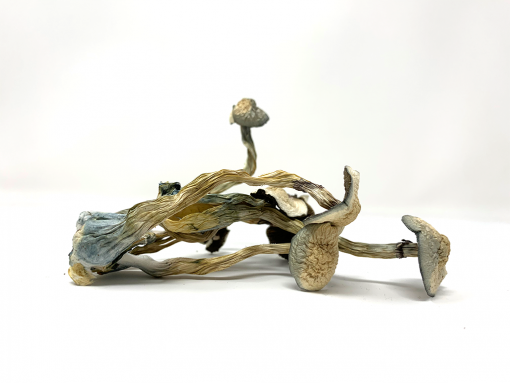
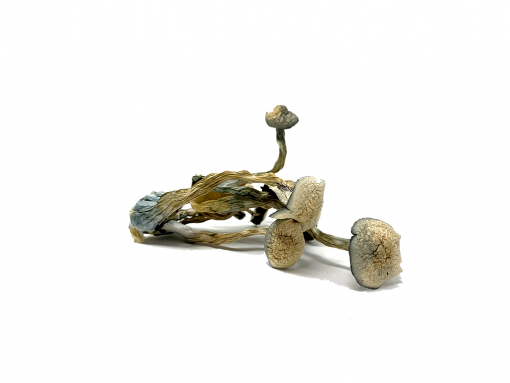
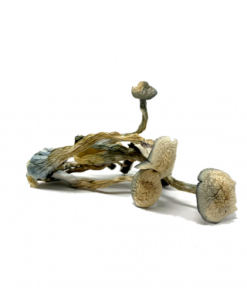
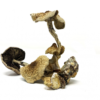
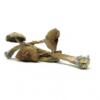
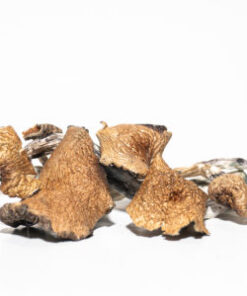
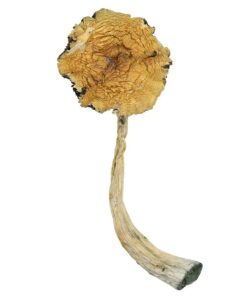
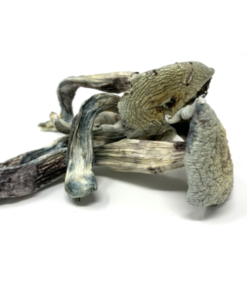
“Albino A+” is an informal variety name associated with Psilocybe cubensis rather than a separate formally recognized mushroom species.
The name is often associated with unusually pale pigmentation. However, informal names containing terms such as “albino” don’t necessarily establish a specific genetic mechanism responsible for coloration.
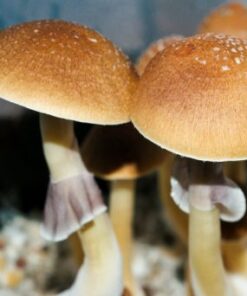
General P. cubensis morphology includes a cap, centrally positioned stem, gills, and dark purplish-brown spores. Individual appearance can vary considerably according to genetics, development, and environmental conditions.
Therefore, the name Albino A+ shouldn’t be treated as a standardized measurement of chemical composition or potency.
Because P. cubensis contains controlled psychoactive compounds, this article doesn’t provide cultivation, preparation, dosage, or purchasing instructions.
What Is Mushroom Infused Tea?
Mushroom infused tea is a broad phrase that doesn’t necessarily have anything to do with psychedelics.
Legal culinary and functional mushroom beverages may contain ingredients derived from mushrooms such as:
- Reishi
- Lion’s Mane
- Chaga
- Turkey Tail
- Maitake
These beverages can differ substantially in formulation.
Therefore, consumers should read ingredient labels rather than assuming every “mushroom tea” contains the same type of fungus.
What Is Microdose Tea?
Microdose tea is an ambiguous marketing and internet term.
“Microdosing” generally refers to taking a relatively small amount of a psychoactive substance with the intention of avoiding a conventional full psychedelic experience.
However, the word “microdose” isn’t itself evidence that a beverage has a particular chemical composition, produces a specific effect, or has demonstrated medical benefits.
Clinical psychedelic research uses carefully defined compounds and protocols rather than relying on informal product terminology.
What Is Psilocybe Tea?
Psilocybe tea generally refers to beverages associated with mushrooms belonging to the genus Psilocybe.
Certain members of this genus naturally contain psilocybin.
Psilocybin is metabolized into psilocin, which interacts strongly with serotonin signaling, particularly the 5-HT2A receptor.
This article discusses that pharmacology educationally but doesn’t provide instructions for preparing psychedelic beverages.
How Long to Steep Magic Mushroom Tea?
Searches for how long to steep magic mushroom tea seek practical preparation parameters.
Providing a specific temperature or steeping duration would amount to instructions for preparing a controlled psychoactive substance.
A more useful scientific distinction is that extraction processes depend on factors such as chemistry, temperature, solvent characteristics, material composition, and time.
Those concepts are routinely studied in food science and chemistry, but this guide doesn’t apply them as a recipe for preparing psilocybin-containing mushrooms.
Shroom Tea: How to Make It?
Similarly, shroom tea how to make is a preparation-oriented query.
This guide doesn’t provide a recipe, quantities, temperatures, steeping times, or methods designed to facilitate psychedelic consumption.
Readers can instead explore mushroom biology, taxonomy, and ongoing scientific research through Mushroom Science and Education.
Mushrooms vs Weed: What’s the Main Difference?
Shrooms vs weed involves two pharmacologically distinct groups of substances.
“Shrooms” generally refers to psilocybin-containing mushrooms.
“Weed” is an informal term for cannabis.
Their major psychoactive compounds act through different biological systems.
Psilocybin mushrooms
Psilocybin is converted to psilocin, which substantially affects serotonin receptors, especially 5-HT2A.
Cannabis
Cannabis contains cannabinoids, including THC. THC acts substantially through the body’s endocannabinoid system, particularly cannabinoid receptors such as CB1.
Consequently, the two substances shouldn’t be treated as interchangeable simply because both can alter perception.
The National Institute on Drug Abuse psychedelic and dissociative drug overview provides evidence-based information about psilocybin and related substances.
Magic Mushrooms vs Weed
A magic mushrooms vs weed comparison should consider pharmacology rather than internet rankings.
Psilocybin can substantially alter:
- Visual perception
- Thought patterns
- Emotion
- Sense of time
- Sensory processing
- Sense of self
THC can affect:
- Attention
- Memory
- Coordination
- Appetite
- Mood
- Perception of time
Individual experiences vary substantially with both substances.
Shrooms vs Weed Feeling
Shrooms vs weed feeling is inherently subjective.
No single description accurately predicts how everyone will respond.
Cannabis intoxication may involve relaxation or euphoria but can also involve anxiety, impaired coordination, memory changes, or altered perception.
Classic psychedelic experiences can involve substantially altered sensory perception, emotion, cognition, and time perception. Difficult experiences can include panic, fear, confusion, or severe psychological distress.
Therefore, personal testimonials shouldn’t be treated as predictable pharmacological outcomes.
Mushroom High vs Weed
The phrase mushroom high vs weed can also obscure important differences.
Psilocybin is generally categorized as a classic psychedelic.
THC is a cannabinoid.
Although both can alter consciousness, they do so through substantially different receptor systems.
That means comparing them solely by asking which “high” is stronger oversimplifies their pharmacology.
Are Shrooms Stronger Than Weed?
Are shrooms stronger than weed? doesn’t have a scientifically meaningful yes-or-no answer.
“Stronger” could mean:
- Greater perceptual alteration
- Greater receptor activity
- Longer duration
- Greater cognitive impairment
- Greater psychological intensity
- Greater physiological risk
Different substances could appear “stronger” depending on which endpoint is being measured.
Scientific comparisons therefore focus on specific outcomes rather than creating potency rankings.
Are Shrooms Safer Than Weed?
Similarly, are shrooms safer than weed is too broad for a simple ranking.
Risk depends on the outcome being examined.
Cannabis and psilocybin have different profiles involving acute impairment, psychological effects, frequency of use, interactions, individual vulnerabilities, and legal circumstances.
Neither should be described as universally safer in every situation.
Weed and Mushroom Use Together
The keyword weed and mushroom can refer to combining cannabis with psilocybin-containing mushrooms.
Combining psychoactive substances introduces additional unpredictability because the resulting psychological experience isn’t necessarily the simple sum of each substance independently.
Potential concerns can include increased:
- Confusion
- Anxiety
- Perceptual alteration
- Impairment
- Difficulty judging surroundings
This article doesn’t provide instructions for combining psychoactive substances.
Why Clinical Psilocybin Research Is Different
Scientific interest in psilocybin has expanded considerably.
However, controlled clinical research can involve:
- Participant screening
- Standardized compounds
- Professional supervision
- Defined research protocols
- Psychological preparation
- Safety monitoring
- Follow-up evaluation
These safeguards differ substantially from unsupervised recreational consumption.
Readers interested in peer-reviewed studies can search the biomedical literature through PubMed.
What Is a Mushroom Spore?
A fungal spore is a microscopic reproductive unit.
Spores perform a biological role somewhat analogous to dispersal structures in other organisms, although fungi reproduce differently from plants.
Depending on species, spores can spread through:
- Air currents
- Water
- Animals
- Environmental disturbance
When conditions are appropriate, fungal development can eventually produce networks of microscopic filaments known as hyphae.
Collectively, these networks form mycelium.
What Is a Spore Booster?
Spore booster isn’t a standardized scientific term in mycology.
Commercial or cultivation communities may use the phrase for products claimed to influence fungal development.
However, a marketing term alone doesn’t demonstrate biological effectiveness.
Evaluating such claims scientifically would require controlled experiments comparing treated and untreated samples while accounting for environmental variables and contamination.
Because certain mushrooms produce controlled substances, this guide doesn’t provide instructions for using additives to improve their cultivation.
Mushroom Spores and Scientific Research
Spores are scientifically valuable for studying:
- Fungal reproduction
- Biodiversity
- Taxonomy
- Genetics
- Ecology
- Disease
- Environmental dispersal
Microscopic characteristics of spores can also help mycologists distinguish between fungal species.
This is very different from using spores for cultivation.
Why Natural Doesn’t Automatically Mean Safer
Cannabis and certain psychedelic mushrooms originate from living organisms, but biological origin doesn’t establish safety.
Nature produces numerous powerful compounds, including:
- Neuroactive chemicals
- Poisons
- Allergens
- Irritants
Safety therefore depends on pharmacology, toxicology, individual circumstances, and quality of evidence—not simply whether something is natural.
Frequently Asked Questions
What are Albino A+ mushrooms?
Albino A+ is an informal variety name associated with Psilocybe cubensis. It isn’t a separate formally recognized mushroom species.
What is mushroom-infused tea?
It’s a broad term for beverages containing mushroom-derived ingredients. Products can contain culinary or functional mushroom ingredients and shouldn’t automatically be assumed to contain psychedelics.
How long should magic mushroom tea steep?
This guide doesn’t provide preparation times or instructions for making psilocybin-containing beverages.
How are shrooms different from weed?
Psilocybin primarily influences serotonin signaling, while THC acts substantially through cannabinoid receptors. Their pharmacology and subjective effects are therefore different.
Are shrooms safer than weed?
There isn’t a scientifically defensible universal ranking. Each has different psychological, behavioral, and physiological risk considerations.
Are shrooms stronger than weed?
“Stronger” isn’t a meaningful comparison without specifying the outcome being measured. Psilocybin and THC affect different biological systems.
Is mixing weed and mushrooms predictable?
No. Combining psychoactive substances can increase unpredictability and impairment. This guide doesn’t provide instructions for combining them.
What is a Albino A+ mushroom spore?
A spore is a microscopic fungal reproductive unit involved in dispersal and the fungal life cycle.
Conclusion
Understanding shrooms vs weed requires more than comparing subjective experiences. Psilocybin and THC act through substantially different biological pathways, producing different patterns of perceptual, cognitive, and behavioral effects.
Likewise, phrases such as mushroom infused tea, microdose tea, and spore booster need context. Marketing and internet terminology shouldn’t be confused with established scientific classifications or clinical evidence.
Albino A+ itself is best understood as an informal Psilocybe cubensis variety name rather than a separate mushroom species.
For additional USA-focused educational resources covering mushroom taxonomy, fungal biology, and scientific research, continue exploring PsychedelicsAndShrooms.com Educational Mushroom Resources.
| Size | Oz, Qp, Hp, Lbs |
|---|
Be the first to review “Albino A+”
Related products
Microdose Shrooms
Mushrooms
Mushrooms
Microdose Shrooms
Microdose Shrooms
Mushrooms
Microdose Shrooms
Mushrooms
Reviews
There are no reviews yet.