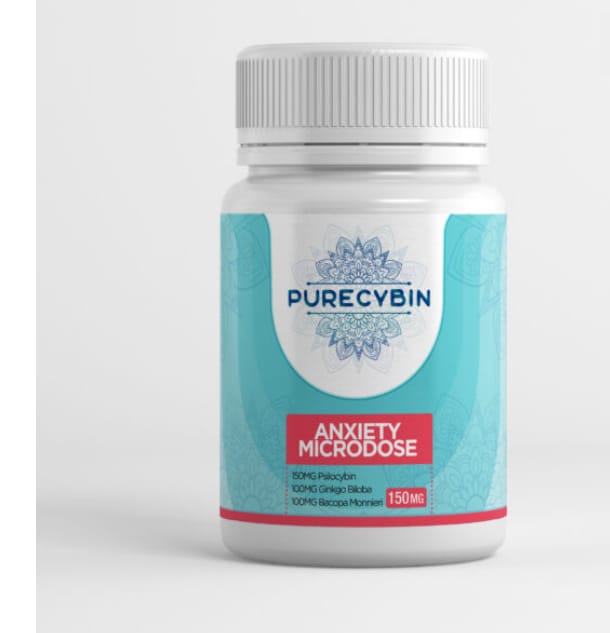
Anxiety Microdose: Mushroom Supplements, Psilocybin & Anxiety Research
What Does Anxiety Microdose Mean?
Anxiety Microdose describes the growing interest in using very small amounts of psychedelic substances—particularly psilocybin-containing mushrooms—with the hope of improving anxiety, mood, emotional wellbeing, or mental clarity.
However, several fundamentally different topics often appear under this search.
One person may be researching a non-psychedelic mushroom supplement such as reishi or lion’s mane. Another may be reading about self-directed psilocybin microdosing. Meanwhile, someone else may be interested in professionally supervised psychedelic clinical research.
Those approaches aren’t interchangeable.
Consequently, anyone researching an Anxiety Microdose should distinguish between:
functional mushroom supplements
self-directed psychedelic microdosing
clinical psilocybin-assisted interventions
The evidence, risks, pharmacology, and legal issues differ substantially between them.
For additional mushroom and psychedelic education, explore PsychedelicsAndShrooms.com.
What Is Microdosing?
Microdosing generally describes using a relatively small amount of a psychedelic substance with the intention of remaining below the intensity associated with a conventional psychedelic experience.
People commonly associate microdosing with:
- mood;
- anxiety;
- focus;
- creativity;
- energy;
- emotional awareness; and
- productivity.
However, popular claims have developed faster than high-quality clinical evidence.
Therefore, microdosing shouldn’t automatically be described as a proven mental-health treatment.
Anxiety Microdose vs. Psilocybin Therapy
This distinction is especially important.
Self-directed mushroom microdosing usually occurs without the controlled framework used in clinical research.
Clinical psychedelic studies, by contrast, can involve:
- participant screening;
- carefully characterized compounds;
- professional monitoring;
- psychological preparation;
- structured support;
- defined outcome measures; and
- follow-up.
Therefore:
microdosing ≠ psilocybin-assisted therapy
and
commercial mushroom products ≠ clinical psilocybin.
Does Microdosing Mushrooms Help With Anxiety?
The question does microdosing mushrooms help with anxiety has attracted enormous online interest.
Anecdotally, some people report feeling calmer, more emotionally open, less worried, or more positive after microdosing.
However, anecdotal reports don’t prove effectiveness.
Several factors can influence those experiences, including:
- expectations;
- placebo effects;
- lifestyle changes;
- sleep;
- social context;
- concurrent medications;
- product composition; and
- individual psychology.
Consequently, controlled studies matter much more than testimonials when evaluating whether microdosing reliably improves anxiety.
Can Microdosing Mushrooms Help With Anxiety?
Can microdosing mushrooms help with anxiety?
Research hasn’t established self-directed mushroom microdosing as a standard treatment for anxiety disorders.
Some observational studies report positive associations between microdosing and mental-health measures.
However, observational research cannot easily separate pharmacological effects from expectation, selection bias, and other lifestyle factors.
Furthermore, psychedelics can sometimes increase anxiety rather than reduce it.
Therefore, the answer isn’t simply “yes.”
Psychedelic Mushrooms Anxiety: Why Effects Can Go Both Ways
The keyword psychedelic mushrooms anxiety highlights an important paradox.
Psilocybin is being investigated in mental-health research, including research involving anxiety.
Yet psychedelic experiences themselves can sometimes involve intense anxiety.
Potential reactions can include:
- fear;
- panic;
- confusion;
- emotional distress;
- paranoia-like thoughts;
- overwhelming sensory experiences; and
- impaired judgment.
Therefore, describing psychedelic mushrooms as inherently anti-anxiety would be misleading.
Why Psychedelics Can Produce Anxiety
Psilocybin can substantially alter perception, emotional processing, thought patterns, and sense of self.
Those changes may feel meaningful or positive to some individuals.
However, they can also become uncomfortable.
Individual vulnerability, expectations, psychiatric history, product composition, and surrounding circumstances can influence the experience.
Consequently, a substance being studied for therapeutic applications doesn’t mean every exposure is therapeutic.
Anxiety During a Psychedelic Experience
Temporary anxiety during a psychedelic experience doesn’t necessarily mean someone has developed an anxiety disorder.
Nevertheless, severe distress deserves attention.
People experiencing extreme confusion, dangerous behavior, seizures, loss of consciousness, breathing difficulties, or another medical emergency require urgent help.
In the United States, call 911 for a life-threatening emergency or Poison Control at 1-800-222-1222 for poisoning guidance.
Microdosing Mushrooms for Depression and Anxiety
The phrase microdosing mushrooms for depression and anxiety combines two serious mental-health topics.
Depression and anxiety frequently occur together.
Symptoms can include persistent worry, loss of interest, low mood, sleep disruption, fatigue, concentration problems, physical tension, and changes in daily functioning.
Because these conditions can become severe, self-directed psychedelic use shouldn’t substitute for appropriate mental-health assessment.
Moreover, suicidal thoughts or immediate danger require urgent professional support.
Microdosing Research vs. Full Psychedelic Research
Public discussion frequently combines microdosing research with studies involving more substantial supervised psychedelic interventions.
Scientifically, that creates confusion.
The strongest evidence supporting psilocybin’s potential psychiatric applications doesn’t automatically establish the effectiveness of repeated microdosing.
Researchers need to evaluate these approaches independently.
Therefore, a positive psilocybin therapy study shouldn’t be cited as direct proof that a commercial microdose capsule treats anxiety.
Psilocybin and Anxiety Research
Researchers have investigated psilocybin-assisted interventions in people experiencing significant psychological distress.
One important research area has involved anxiety and depression associated with serious or life-threatening illness.
Some controlled studies have reported meaningful reductions in psychological distress.
These findings are scientifically important.
However, the studies involve carefully designed interventions rather than ordinary retail mushroom products.
Consequently, clinical findings shouldn’t become blanket recommendations for self-treatment.
Psilocybin and Depression Research
Depression represents another major psychedelic research area.
Researchers have investigated whether controlled psilocybin interventions combined with psychological support can reduce depressive symptoms.
Some trials have produced promising results.
However, researchers continue to investigate:
- effectiveness;
- durability;
- patient selection;
- psychological support;
- safety;
- adverse effects; and
- optimal clinical frameworks.
Therefore, psychedelic research should be described as promising but developing rather than as proof of a universal cure.
How Psilocybin Works
Psilocybin functions largely as a prodrug.
The body converts much of it into psilocin.
Psilocin then interacts with serotonin receptors, particularly the 5-HT2A receptor.
Researchers believe this activity contributes to changes involving:
- perception;
- cognition;
- emotional processing;
- self-related thinking; and
- communication between brain networks.
However, saying psilocybin simply “boosts serotonin” oversimplifies the pharmacology.
Psilocybin Doesn’t Simply Fix a Serotonin Deficiency
Popular explanations sometimes portray depression and anxiety as straightforward serotonin shortages.
Modern neuroscience is considerably more complicated.
Mental-health conditions can involve interacting biological, psychological, environmental, developmental, and social factors.
Likewise, psilocybin’s potential effects cannot be reduced to “adding serotonin.”
Instead, researchers investigate receptor signaling, network dynamics, cognition, emotional processing, and psychological experience.
Microdosing and Placebo Effects
Placebo-controlled research becomes especially important when studying microdosing.
Imagine someone strongly expects a microdose to make them calmer.
They may pay more attention to moments of calmness afterward.
Meanwhile, they might also change their sleep, exercise, diet, or daily routine because they have started a wellness experiment.
Those changes can affect mood.
Therefore, researchers use controlled designs to separate pharmacological effects from expectation.
Reported Microdosing Benefits
People who microdose sometimes report:
- better mood;
- reduced stress;
- greater emotional awareness;
- improved focus;
- increased creativity;
- more motivation; and
- improved wellbeing.
However, reports don’t establish causation.
Moreover, not everyone reports benefits.
Some individuals experience anxiety, physical discomfort, distraction, mood changes, or other unwanted effects.
Therefore, microdosing outcomes shouldn’t be presented as predictable.
Is an Anxiety Microdose Risk-Free?
No.
A smaller intended psychedelic exposure doesn’t eliminate risk.
Important uncertainties include:
- actual product composition;
- chemical variability;
- medication interactions;
- psychiatric vulnerability;
- repeated exposure;
- legal status; and
- long-term effects.
Furthermore, a commercial product labeled “microdose” may not contain what consumers assume it contains.
Therefore, branding shouldn’t replace ingredient verification.
Best Mushroom Supplement for Anxiety
The keyword best mushroom supplement for anxiety often leads to products containing functional mushrooms rather than psilocybin.
Reishi and lion’s mane commonly appear in this category.
However, neither should be described as a proven treatment for an anxiety disorder.
The evidence supporting functional mushroom supplements and the evidence supporting psilocybin are also entirely different research areas.
Reishi and Anxiety
Reishi is widely marketed around relaxation, stress management, and sleep.
It contains polysaccharides, triterpenoids, and other fungal compounds that scientists continue to investigate.
However, human evidence doesn’t establish reishi as a standard treatment for generalized anxiety disorder, panic disorder, PTSD, or other psychiatric conditions.
Therefore, “calming mushroom” remains a wellness description rather than a clinical diagnosis-and-treatment claim.
Lion’s Mane and Mental Health
Lion’s mane attracts interest because researchers have investigated neurological processes, cognition, and mood.
Some preliminary human research has also explored psychological outcomes.
However, evidence remains limited compared with established anxiety treatments.
Therefore, lion’s mane shouldn’t be presented as a replacement for professional mental-health care.
Reishi vs. Lion’s Mane for Anxiety
The two mushrooms appear in different areas of wellness marketing.
| Mushroom | Common marketing focus | Evidence caution |
|---|---|---|
| Reishi | Relaxation, stress, sleep | Not an established anxiety treatment |
| Lion’s mane | Cognition, mood, brain health | Human evidence remains limited |
| Cordyceps | Energy, fatigue, performance | Not an established anxiety treatment |
| Psilocybin mushrooms | Psychedelic effects/clinical research | Different pharmacology and legal status |
Therefore, consumers shouldn’t lump all mushroom products into one therapeutic category.
Functional Mushrooms Are Not Psilocybin Mushrooms
This distinction matters enormously for SEO searches involving “mushrooms for anxiety.”
Lion’s mane, reishi, Cordyceps, turkey tail, and maitake are non-psychedelic functional mushrooms.
They don’t produce the classic psilocybin psychedelic experience.
Psilocybin-containing mushrooms belong to a separate pharmacological discussion.
Consequently, a functional mushroom supplement shouldn’t be described as a psychedelic microdose.
Choosing a Mushroom Supplement
Rather than asking only which mushroom supplement receives the highest review score, examine product quality.
Useful questions include:
Which species does it contain?
Is it fruiting body, mycelium, or both?
Does the label identify individual quantities?
Is it a powder or extract?
Does credible batch testing exist?
Are the health claims realistic?
Does research involve the actual finished formulation?
These questions provide more useful information than marketing phrases such as “ultimate anxiety mushroom.”
Fruiting Body vs. Mycelium
The visible mushroom represents a fruiting body.
Meanwhile, mycelium consists of networks of fungal hyphae.
Both are legitimate fungal structures.
However, they can differ chemically.
Therefore, transparent manufacturers should explain what fungal material they use.
Still, fruiting-body labeling alone doesn’t prove that a supplement treats anxiety.
Extract vs. Powder
A mushroom powder generally contains dried and milled fungal material.
An extract undergoes additional processing designed to concentrate or separate certain components.
Consequently:
1,000mg powder ≠ automatically equivalent to 1,000mg extract.
Likewise, a larger milligram number doesn’t necessarily mean better clinical evidence.
Third-Party Testing
Third-party testing can strengthen product transparency.
However, consumers should examine what the laboratory tested.
Depending on the product, analysis may investigate:
- identity;
- beta-glucans;
- heavy metals;
- microorganisms;
- pesticides;
- residual solvents; or
- specified active compounds.
Therefore, “lab tested” without additional detail remains an incomplete claim.
Anxiety Microdose Products and Ingredient Verification
Products using names such as:
Anxiety Microdose
Calm Microdose
Mood Mushroom
Brain Mushroom
or
Stress Shrooms
may contain completely different ingredients.
One might contain reishi.
Another could contain lion’s mane.
Another could claim psilocybin.
And another could use unrelated botanical ingredients.
Therefore, product names shouldn’t be used to infer pharmacology.
Microdosing and Medication
Medication interactions require particular caution.
People taking antidepressants, anti-anxiety medications, mood stabilizers, or other psychiatric drugs shouldn’t independently stop or alter prescribed medication to experiment with psychedelics.
Stopping psychiatric medication can itself cause significant problems.
Medication changes should involve the prescribing healthcare professional.
Anxiety Disorders Deserve Proper Evaluation
Occasional anxiety is part of normal human experience.
However, persistent or severe anxiety can interfere with:
- sleep;
- work;
- relationships;
- concentration;
- physical wellbeing; and
- daily functioning.
Several evidence-based treatments exist for anxiety disorders.
Therefore, mushroom supplements or psychedelic experimentation shouldn’t delay appropriate evaluation when symptoms become persistent or disabling.
Psilocybin Research Doesn’t Validate Commercial Products
This distinction deserves repetition because it appears frequently in mushroom marketing.
A study showing potential benefit from professionally supervised psilocybin doesn’t prove that:
- a mushroom gummy treats anxiety;
- a microdose capsule treats depression;
- a chocolate bar provides psychedelic therapy; or
- a functional mushroom blend works like psilocybin.
Each claim requires its own evidence.
Clinical Research vs. Commercial Mushroom Products
| Clinical research | Commercial product |
|---|---|
| Defined intervention | Formulation varies |
| Participant screening | Usually no clinical screening |
| Controlled protocol | Consumer-directed |
| Professional monitoring | Often unsupervised |
| Defined outcome measures | Testimonials common |
| Research oversight | Retail environment |
Therefore, clinical evidence should remain attached to the intervention actually studied.
Is Microdosing a Replacement for Therapy?
Current evidence doesn’t justify treating self-directed microdosing as a universal replacement for psychotherapy, psychiatric evaluation, or established treatments.
That doesn’t mean psychedelic research lacks value.
Rather, it means research findings should be interpreted accurately.
Psychedelic-assisted approaches may eventually occupy important clinical roles, but their use in research settings involves far more structure than simply consuming mushroom material.
What Should Consumers Take Away From Anxiety Microdose Research?
Three conclusions matter most.
First, functional mushrooms and psilocybin mushrooms are different.
Second, microdosing and supervised psilocybin therapy aren’t equivalent.
Third, promising research doesn’t guarantee that an unverified commercial mushroom product treats anxiety or depression.
Keeping those distinctions clear dramatically improves the quality of mushroom-health information.
Frequently Asked Questions
1. What does Anxiety Microdose mean?
Anxiety Microdose generally describes interest in low-level psychedelic exposure for anxiety or mood. However, the term can also appear on commercial wellness products, so it doesn’t establish ingredients or therapeutic effectiveness.
2. Does microdosing mushrooms help with anxiety?
Some people report reduced anxiety, but controlled evidence hasn’t established self-directed mushroom microdosing as a reliable anxiety treatment. Psychedelics can also increase anxiety in some individuals.
3. Can microdosing mushrooms help with depression and anxiety?
Research into psychedelics and mental health is promising, but microdosing should be distinguished from supervised clinical psilocybin interventions. Evidence for self-directed microdosing remains less established.
4. What is the best mushroom supplement for anxiety?
No functional mushroom is established as the universal best treatment for anxiety. Reishi is commonly marketed for relaxation, while lion’s mane is studied in cognition and mood, but neither should replace evidence-based anxiety care.
5. Can psychedelic mushrooms make anxiety worse?
Yes. Psychedelic experiences can sometimes produce fear, panic, confusion or significant anxiety. Individual reactions vary, which is one reason clinical psychedelic studies carefully screen and monitor participants.
6. Is psilocybin therapy the same as microdosing?
No. Psilocybin clinical research may involve controlled compounds, participant screening, professional supervision, psychological support and follow-up. Self-directed microdosing doesn’t reproduce that framework.
Educational Resources
For additional educational material about anxiety, psilocybin, functional mushrooms, microdosing and psychedelic research, explore PsychedelicsAndShrooms.com.
Readers interested in scientific literature can explore PubMed’s psilocybin and anxiety research and registered studies through ClinicalTrials.gov.
| Quantity | 2bottles, 3bottles, 5bottles |
|---|
Be the first to review “Anxiety Microdose (30)”
Related products
Mushrooms
Mushrooms
Mushrooms
Mushrooms
Microdose Shrooms
Mushrooms
Microdose Shrooms
Mushrooms
Reviews
There are no reviews yet.