Mushroom Poisoning Symptoms, Stomach Side Effects, and Food Safety: A USA Educational Guide
Mushroom Poisoning Symptoms and Stomach Side Effects: What You Should Know
Mushrooms are extraordinarily diverse organisms. Familiar culinary varieties such as button, oyster, shiitake, and portobello mushrooms are routinely eaten throughout the United States. However, other fungi contain naturally occurring toxins, while improperly stored edible mushrooms can potentially become associated with foodborne illness.
Consequently, questions about mushroom side effects on stomach, throwing up mushrooms, what happens if you eat bad mushrooms, and mushroom poisoning symptoms deserve careful, evidence-based answers.
Readers interested in broader fungal biology and mushroom education can explore additional resources through PsychedelicsAndShrooms.com.
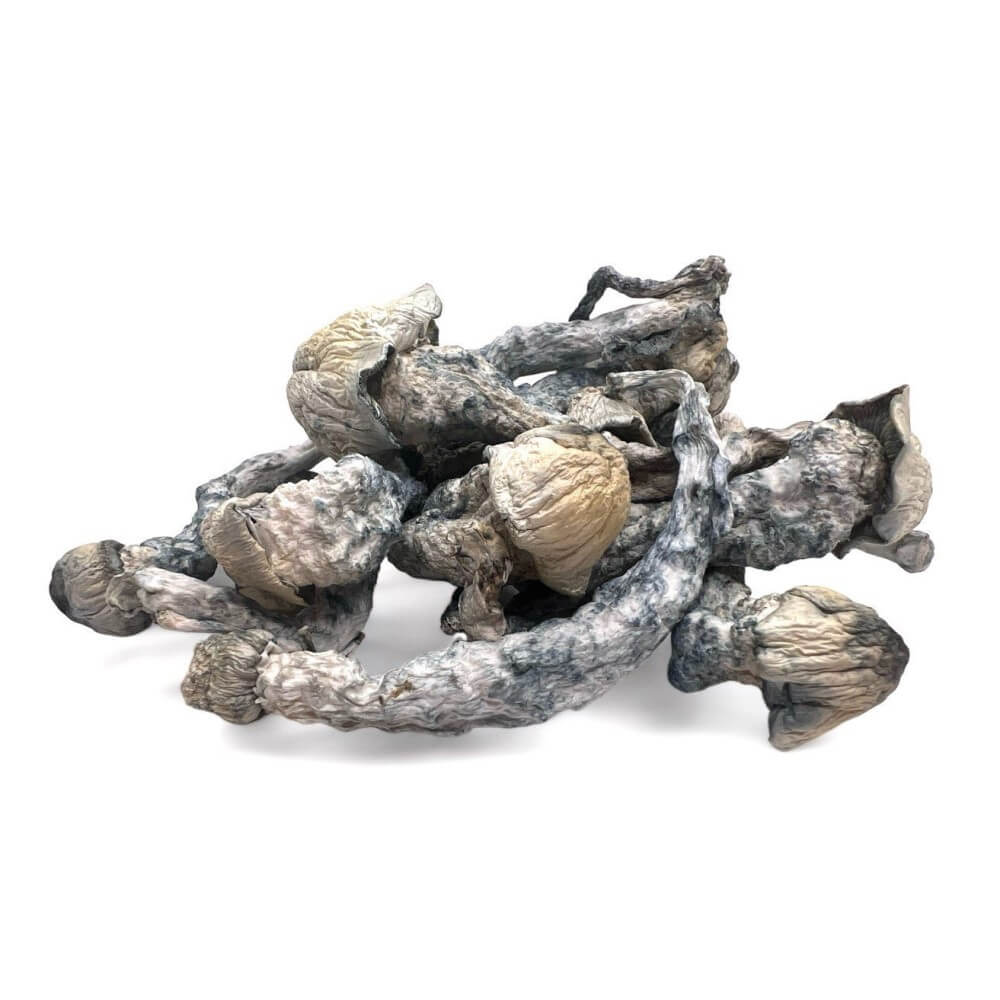
BIOFREEZE Mushrooms: Understanding Informal Mushroom Names
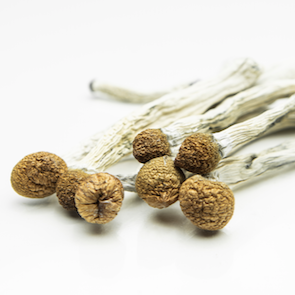
BIOFREEZE Mushrooms appears to be an informal or commercial-style name rather than an established scientific species designation.
This distinction is important in mycology. Scientific identification typically uses genus and species names, while informal names, product names, and so-called strain names may not provide enough information to determine precisely which organism or compounds are being discussed.
For that reason, a name such as BIOFREEZE should not by itself be treated as evidence of a mushroom’s identity, chemical composition, safety, or effects.
This guide therefore focuses on general mushroom safety rather than providing preparation, cultivation, dosage, or consumption guidance for psychoactive fungi.
Mushroom Side Effects on Stomach
Stomach symptoms can occur for many different reasons after eating mushrooms.
Potential symptoms include:
- Nausea
- Vomiting
- Abdominal discomfort
- Stomach cramps
- Diarrhea
The cause matters. Gastrointestinal symptoms could potentially involve an individual food intolerance, foodborne contamination, naturally occurring mushroom toxins, allergy, or consumption of a species that should not have been eaten.
The U.S. Food and Drug Administration’s foodborne illness guide explains that nausea, vomiting, abdominal cramps, and diarrhea occur with numerous forms of foodborne illness.
Throwing Up After Eating Mushrooms
Throwing up mushrooms doesn’t identify the underlying cause by itself.
For example, vomiting could occur because of:
- Foodborne illness
- Mushroom toxicity
- Individual intolerance
- Allergic reaction
- Eating an incorrectly identified wild mushroom
- Another unrelated gastrointestinal illness
Timing can also vary significantly depending on the cause.
Therefore, someone who becomes ill after consuming an unidentified wild mushroom shouldn’t simply assume they have ordinary indigestion.
What Happens If You Eat Bad Mushrooms?
The phrase what happens if you eat bad mushrooms can refer to two different situations.
The first involves an otherwise edible food that has become contaminated or spoiled.
The second—and potentially more serious—situation involves consuming a naturally toxic mushroom species.
These aren’t the same problem.
The FDA explains that some mushrooms naturally contain toxins capable of causing reactions ranging from nausea and diarrhea to severe poisoning.
Therefore, unusual symptoms after eating an unidentified wild mushroom deserve particular attention.
Mushroom Poisoning Symptoms
Mushroom poisoning symptoms vary according to the species, toxin, quantity consumed, and individual.
Possible symptoms can include:
- Nausea
- Vomiting
- Diarrhea
- Abdominal pain
- Dizziness
- Confusion or disorientation
- Neurological changes
Some mushroom toxins can produce considerably more serious effects.
In its investigation of mushroom-associated illnesses, the FDA emphasizes that wild mushroom poisoning can range from relatively mild illness to death and that symptoms depend on the specific toxin involved.
Mushroom Toxicity Symptoms Aren’t Always Immediate
Another misconception is that a dangerous mushroom will always cause symptoms immediately.
That’s not necessarily true.
Different toxins can have different onset patterns. Likewise, ordinary foodborne illnesses can appear at substantially different times after contaminated food is consumed. The FDA notes that foodborne illness symptoms may appear anywhere from relatively soon after eating to days later depending on the cause.
This is one reason the absence of immediate symptoms shouldn’t be used as proof that an unidentified wild mushroom was safe.
Mushrooms and Food Poisoning
Mushrooms and food poisoning overlap with broader food-safety principles.
Like other fresh foods, commercially edible mushrooms require appropriate handling and storage. Foodborne illness can result when food becomes contaminated with harmful microorganisms or their toxins.
The FDA estimates approximately 48 million foodborne illnesses occur annually in the United States.
Basic food-safety principles therefore remain relevant when preparing culinary mushrooms.
For more educational information about different mushroom species and fungal biology, readers can explore PsychedelicsAndShrooms.com.
Wild Mushroom Poisoning Is Different
Wild mushrooms present an additional challenge because identification itself can be difficult.
A toxic mushroom can resemble an edible species.
Color, cap shape, stem length, photographs, or an identification app shouldn’t be treated as definitive evidence that an unknown mushroom is edible.
The FDA specifically recommends knowledgeable expert identification for wild mushrooms and notes that obtaining culinary mushrooms from professional commercial sources is safer.
Can Cooking Remove Mushroom Toxins?
Cooking should not be treated as a universal method of making an unidentified mushroom safe.
Some mushroom toxins can remain dangerous despite ordinary food preparation.
The FDA has documented mushroom-associated illnesses involving mushrooms prepared through several methods and cautions that cooking does not guarantee safety.
Therefore, the correct approach is proper species identification—not attempting to neutralize an unknown mushroom through cooking.
What Is a THC Mushroom?
Terms such as THC mushroom, mushroom THC, and THC mushroom gummies can be confusing.
THC (delta-9-tetrahydrocannabinol) is primarily associated with cannabis; it isn’t the naturally occurring psychedelic compound associated with psilocybin-containing mushrooms.
Consequently, a commercial product described as a “THC mushroom gummy” may refer to a formulated product containing multiple ingredients rather than a naturally occurring mushroom containing THC.
Consumers shouldn’t assume that branding establishes chemical composition.
Precise ingredient labels matter considerably more than informal product terminology.
Why Mushroom Product Labels Matter
A product marketed as a mushroom gummy, mushroom chocolate, or mushroom supplement should be evaluated according to what its label actually says.
Consumers should look for:
- Specific ingredients
- Mushroom species names
- Amounts per serving
- Manufacturer information
- Lot or batch information
- Appropriate warnings
- Independent testing information when available
Marketing terms shouldn’t substitute for transparent ingredient disclosure.
Terence McKenna and the Term “Heroic Dose”
The phrase Terence McKenna heroic dose originates from psychedelic counterculture discussions associated with writer and speaker Terence McKenna.
It isn’t a medical dosing standard.
More importantly, historical or cultural terminology shouldn’t be interpreted as contemporary clinical guidance. Modern psychedelic research uses carefully controlled protocols, participant screening, professional supervision, and defined research conditions.
The National Institute on Drug Abuse overview of psychedelic and dissociative drugs explains that these substances can substantially alter mood, perception, and thought and can involve significant safety concerns.
This article therefore does not provide psychedelic dosing instructions.
Tidal Wave Mushroom Strain and Tidalwave Mushrooms
Tidal Wave mushroom strain and Tidalwave mushrooms are informal terms encountered in discussions surrounding psychoactive mushrooms.
From a scientific perspective, informal “strain” names shouldn’t be confused with formal taxonomic classification.
Reliable fungal classification depends on species-level taxonomy and, increasingly, genetic analysis rather than commercial or community names.
Because some mushrooms associated with these terms contain controlled psychoactive compounds, this guide doesn’t provide cultivation, potency, preparation, dosage, or consumption instructions.
What Is “The Mushroom Company” or “Mushroom Co”?
Searches for the mushroom company or mushroom co are too broad to identify a particular organization reliably.
Many unrelated businesses use mushroom-related terminology.
Consumers researching a company should verify:
- Its complete legal or business name
- Ingredient disclosures
- Contact information
- Manufacturing claims
- Applicable certifications
- Independent laboratory documentation
A generic company name should never be assumed to represent a specific manufacturer without additional information.
Mushroom Allergy vs Mushroom Poisoning
An allergic reaction is different from toxic mushroom poisoning.
Food allergy symptoms can potentially include hives, itching, facial or lip swelling, vomiting, diarrhea, abdominal cramps, wheezing, dizziness, and difficulty breathing.
Severe allergic reactions can become life-threatening. The FDA’s food-allergy safety guidance explains the warning signs and importance of prompt treatment for serious reactions.
When Mushroom Symptoms Require Medical Attention
Persistent or severe symptoms after mushroom consumption deserve professional evaluation, particularly when an unknown wild mushroom was involved.
Warning signs can include:
- Severe or persistent vomiting
- Significant abdominal pain
- Severe diarrhea
- Confusion or unusual behavior
- Loss of coordination
- Difficulty breathing
- Loss of consciousness
- Seizures
- Rapidly worsening symptoms
If serious symptoms are occurring, seek emergency medical assistance rather than relying on online identification or home remedies.
Why Mushroom Identification Matters
There are thousands of mushroom-producing fungal species, and visual similarities can make identification difficult.
Furthermore, the same species can appear different depending on:
- Age
- Moisture
- Habitat
- Genetics
- Weather
- Developmental stage
Consequently, photographs alone should not determine whether a wild mushroom is safe to consume.
Readers interested in fungal taxonomy and identification principles can continue their education through PsychedelicsAndShrooms.com.
Frequently Asked Questions
What are common mushroom poisoning symptoms?
Symptoms vary by toxin but can include nausea, vomiting, diarrhea, abdominal pain, dizziness, confusion, and neurological changes. Some poisonings can become severe.
Why am I throwing up after eating mushrooms?
Possible causes include foodborne illness, intolerance, allergy, naturally occurring toxins, or consumption of an incorrectly identified mushroom. Medical advice is appropriate when symptoms are significant or an unknown wild mushroom was consumed.
Can bad mushrooms cause food poisoning?
Yes. Food contamination can cause gastrointestinal illness, while naturally toxic mushroom species present a separate poisoning risk.
Can cooking poisonous mushrooms make them safe?
Not reliably. Cooking shouldn’t be used as a method for making an unidentified wild mushroom safe.
Is THC naturally found in mushrooms?
THC is principally associated with cannabis. “THC mushroom” usually describes commercial product terminology rather than a naturally occurring THC-containing mushroom.
What is the Terence McKenna heroic dose?
It’s a historical counterculture term associated with Terence McKenna, not a medically established dosage recommendation. This guide doesn’t provide instructions for psychedelic dosing.
Are Tidal Wave mushrooms a separate mushroom species?
“Tidal Wave” is an informal variety/strain-style name used in psychedelic mushroom communities rather than a separate formal species designation.
What should I do if I think I ate a poisonous mushroom?
Seek professional medical advice promptly, especially when the mushroom was wild or unidentified. Severe symptoms warrant emergency medical attention.
| Quantity | 1/8 oz(3.5g), 1/4 oz (7g), 1/2 oz (14g), 1 oz (28g) |
|---|
Be the first to review “BIOFREEZE Mushrooms”
Related products
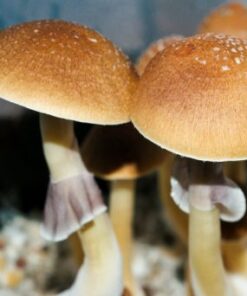
Mushrooms
Microdose Shrooms
Microdose Shrooms

Mushrooms
Mushrooms
Microdose Shrooms
Reviews
There are no reviews yet.