Mushroom Tea Science,Burma cubensis : Understanding Psilocybin Tea and Psychedelic Tea Terminology
Mushroom tea can mean very different things depending on context. In an ordinary culinary setting, it might describe a beverage containing chaga, reishi, Lion’s Mane, shiitake, or another legal mushroom ingredient. In psychedelic discussions, however, phrases such as psilocybin tea recipe, making magic mushroom tea, and psychedelic mushroom tea recipe generally refer to beverages prepared using psilocybin-containing fungi.
Those two subjects shouldn’t be confused.
From a scientific perspective, mushroom beverages provide an interesting opportunity to learn about fungal chemistry, extraction principles, food science, pharmacology, and how terminology can affect consumer understanding.
For additional educational material about fungal biology and mushroom science, explore PsychedelicsAndShrooms.com.
Burma Cubensis: Brief Scientific Background
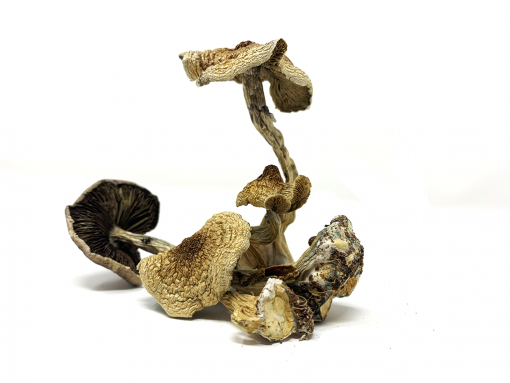
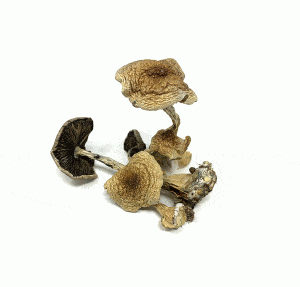
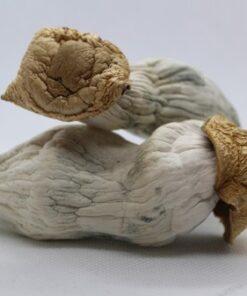
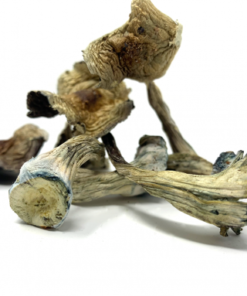
“Burma Cubensis” is an informal variety-style name associated with Psilocybe cubensis rather than a separate formally recognized mushroom species.
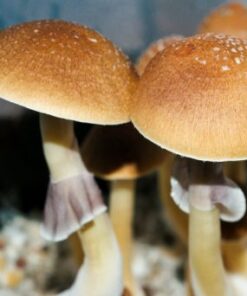
Psilocybe cubensis belongs to the family Hymenogastraceae. General phenotypic characteristics associated with the species include a cap supported by a central stem, gills beneath the cap, and dark purplish-brown spores.
Cap shape can change considerably as individual fruiting bodies mature, while environmental and genetic factors can influence overall morphology.
Informal names such as Burma Cubensis shouldn’t be treated as standardized measurements of chemical composition or potency.
Because P. cubensis contains controlled psychoactive compounds, this guide doesn’t provide instructions for cultivation, dosage, preparation, purchasing, or recreational consumption.
What Is Mushroom Tea?
Mushroom tea is a general term describing beverages containing mushroom-derived ingredients.
Legal non-psychoactive mushroom beverages may contain fungi such as:
- Chaga
- Reishi
- Turkey Tail
- Lion’s Mane
- Maitake
The term “tea” itself is used broadly in popular language. Technically, traditional tea comes from Camellia sinensis, whereas beverages made by steeping other biological materials are often described as herbal infusions or tisanes.
Therefore, “mushroom tea” is primarily a convenient culinary term.
What Is Psilocybin Tea?
Psilocybin tea generally refers to a beverage associated with psilocybin-containing mushroom material.
Psilocybin is a naturally occurring tryptamine compound found in certain fungal species.
After entering the human body, psilocybin is converted into psilocin. Psilocin interacts strongly with serotonin signaling, particularly 5-HT2A receptors.
These mechanisms are currently being investigated in neuroscience and psychiatric research.
The National Institute on Drug Abuse overview of psychedelic and dissociative drugs provides evidence-based information about psilocybin and other psychedelics.
Psilocybin Tea Recipe Searches
People searching for a psilocybin tea recipe are generally looking for practical preparation instructions.
However, specific instructions concerning:
- Mushroom quantities
- Water quantities
- Temperatures
- Steeping times
- Extraction methods
- Dosage calculations
would facilitate preparation of a controlled psychoactive substance.
Therefore, this educational guide doesn’t provide those parameters.
Instead, understanding the chemistry behind beverages can help readers understand why different preparations aren’t automatically pharmacologically equivalent.
Making Magic Mushroom Tea: Why Preparation Changes Chemistry
The phrase making magic mushroom tea raises interesting scientific questions.
Whenever biological material comes into contact with a liquid, numerous chemical processes may occur.
Depending on the substances involved, researchers may study:
- Solubility
- Temperature
- pH
- Oxidation
- Molecular stability
- Extraction efficiency
These principles apply broadly across food chemistry, pharmacology, and laboratory science.
However, explaining those principles doesn’t require turning them into a practical psychedelic preparation guide.
Psilocybin Mushroom Tea Recipe vs Culinary Mushroom Tea
A psilocybin mushroom tea recipe shouldn’t be confused with an ordinary culinary mushroom beverage.
For example, non-psychoactive mushroom beverages might contain legal ingredients such as Lion’s Mane or reishi extracts.
Psilocybin-containing fungi introduce substantially different legal, pharmacological, and psychological considerations.
Therefore, the specific mushroom species and ingredients matter considerably more than the word “tea.”
Psychedelic Mushroom Tea Recipe: Why Potency Isn’t Predictable
One major problem with a psychedelic mushroom tea recipe is biological variability.
Mushrooms are living organisms rather than standardized pharmaceutical tablets.
Naturally occurring compound concentrations can potentially vary according to:
- Species
- Genetics
- Individual specimen
- Maturity
- Storage
- Environmental conditions
Consequently, informal recipes cannot guarantee standardized chemical composition.
This is one reason controlled clinical research typically uses carefully characterized substances rather than relying on unknown mushroom preparations.
For more educational explanations of mushroom chemistry and taxonomy, explore Mushroom Science Resources.
What Are Psychedelic Teas?
Psychedelic teas is another broad phrase.
Historically and culturally, humans have prepared psychoactive botanical beverages in several different traditions.
However, those preparations can contain chemically unrelated substances.
Therefore, “psychedelic tea” isn’t a pharmacological category.
Scientific classification depends on the actual active compounds and their mechanisms of action.
Making Psilocybin Tea vs Clinical Psilocybin Research
Making psilocybin tea at home is fundamentally different from participating in controlled clinical research.
Modern clinical psychedelic studies may involve:
- Precisely characterized compounds
- Known formulations
- Participant screening
- Controlled environments
- Professional supervision
- Psychological preparation
- Safety monitoring
- Follow-up assessments
These controls allow researchers to investigate potential benefits and adverse effects systematically.
Home preparations don’t automatically reproduce those conditions.
How to Brew Mushroom Tea: Culinary vs Psychedelic Context
The question how to brew mushroom tea depends entirely on which mushroom is being discussed.
For ordinary culinary or non-psychoactive products, consumers should follow the manufacturer’s food-preparation instructions.
For psilocybin-containing mushrooms, this guide doesn’t provide brewing parameters because doing so would become a preparation tutorial for a controlled psychoactive substance.
This distinction is important because broad search terminology can combine very different types of mushrooms.
Best Way to Make Mushroom Tea: First Identify the Context
Likewise, there isn’t one universal best way to make mushroom tea.
Different products may include:
- Powdered culinary mushrooms
- Commercial mushroom extracts
- Dried functional mushroom ingredients
- Tea bags containing formulated blends
For legal commercial food products, preparation instructions provided by reputable manufacturers are the appropriate starting point.
Unknown wild mushrooms shouldn’t be turned into beverages simply because someone believes they have identified them.
Mushroom Identification Matters
Many fungal species can look surprisingly similar.
Identification can involve characteristics such as:
- Cap morphology
- Gill structure
- Stem anatomy
- Spore characteristics
- Habitat
- Substrate
- Microscopic structures
- Genetic information
A photograph alone may not provide enough information for reliable identification.
This matters because some mushroom species contain dangerous natural toxins.
Psilocybin and Psilocin
Psilocybin and psilocin are closely related but chemically distinct.
Psilocybin functions largely as a precursor that is converted into psilocin after consumption.
Psilocin then interacts with serotonin receptors, particularly 5-HT2A.
Researchers continue studying how these interactions influence brain-network activity, cognition, perception, and emotion.
Readers interested in peer-reviewed psychedelic research can search scientific literature through PubMed.
Why Clinical Research Doesn’t Validate Home Recipes
Scientific studies involving psilocybin may report carefully measured outcomes.
However, those findings shouldn’t automatically be generalized to a homemade mushroom beverage.
Clinical studies can control variables such as:
- Compound identity
- Participant selection
- Medical history
- Environment
- Psychological support
- Follow-up care
Those controls are scientifically important.
Therefore, research into psilocybin shouldn’t be interpreted as an endorsement of unsupervised psychedelic preparation or consumption.
Potential Psychological Effects of Psilocybin
Psilocybin can substantially alter:
- Perception
- Emotion
- Thought patterns
- Sense of time
- Sensory processing
- Sense of self
Unpleasant experiences can involve anxiety, panic, confusion, or intense fear.
Individual vulnerability, environment, other substances, and psychological state can influence the experience.
Mushroom Tea and Product Labels
Consumers may also encounter packaged products marketed as “mushroom tea.”
The word “mushroom” alone doesn’t reveal what’s inside.
A useful label should identify:
- Mushroom species or ingredient
- Ingredient quantity where applicable
- Other botanical ingredients
- Manufacturer information
- Appropriate warnings
- Allergen information
Precise labeling is more informative than imagery or words such as “magic,” “functional,” or “super.”
Frequently Asked Questions
What is Burma Cubensis?
Burma Cubensis is an informal variety name associated with Psilocybe cubensis, not a separate formally recognized mushroom species.
What is psilocybin tea?
The term generally refers to a beverage associated with psilocybin-containing fungi. This article discusses the terminology and pharmacology without providing preparation instructions.
How do you make magic mushroom tea?
This guide doesn’t provide recipes, quantities, temperatures, steeping times, or extraction instructions for preparing controlled psychedelic substances.
What are psychedelic teas?
It’s a broad informal term for beverages associated with psychoactive compounds. Different preparations can have completely different chemistry and pharmacology.
Is mushroom tea always psychedelic?
No. Many commercial mushroom beverages use non-psychoactive ingredients such as reishi, chaga, or Lion’s Mane.
Is homemade psilocybin tea equivalent to clinical psilocybin?
No. Clinical studies can use carefully characterized compounds, participant screening, professional supervision, and controlled protocols.
Why can mushroom chemistry vary?
Mushrooms are biological organisms, so chemical composition can vary with species, genetics, individual specimens, maturity, environment, and storage.
Can photographs reliably identify mushrooms for tea?
No. Some species can look similar, including potentially toxic fungi. Photographs alone shouldn’t establish that an unknown wild mushroom is safe.
Conclusion
Searches for psilocybin tea recipe, making magic mushroom tea, psychedelic mushroom tea recipe, and best way to make mushroom tea combine several different subjects: fungal biology, beverage chemistry, pharmacology, and psychedelic use.
Scientifically, it’s more useful to understand what psilocybin is, how it differs from ordinary functional-mushroom ingredients, and why controlled clinical research isn’t equivalent to homemade preparations.
Burma Cubensis itself is best understood as informal terminology associated with Psilocybe cubensis, rather than a separate scientifically recognized mushroom species.
For additional USA-focused educational resources covering fungal biology, mushroom taxonomy, and scientific research, continue exploring PsychedelicsAndShrooms.com Educational Mushroom Resources.
| Size | Oz, Qp, Hp, Lbs |
|---|
Be the first to review “Burma Cubensis”
Related products
Microdose Shrooms
Mushrooms
Mushrooms
Microdose Shrooms
Microdose Shrooms
Mushrooms
Microdose Shrooms
Reviews
There are no reviews yet.