
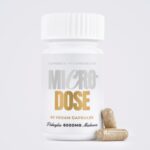
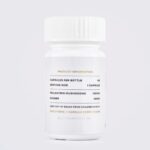
Euphoria Psychedelics – Micro Dose Capsules 6000mg: Hallucinogen Effects, Psychedelic Safety and Mushroom Digestive Effects
Introduction
Euphoria Psychedelics – Micro Dose Capsules 6000mg is a product-style name associated with the psychedelic and mushroom supplement market. The 6000mg statement should not automatically be interpreted as 6,000 mg of purified psilocybin. Without verified labeling and independent analytical testing, it is necessary to establish what substance the milligram figure actually measures before drawing conclusions about potency.
Searches surrounding Euphoria Psychedelics – Micro Dose Capsules 6000mg also raise important educational questions: hallucinogens drugs effects, drugs that distort the way the user processes reality are, how are hallucinogens consumed, are psychedelics bad for you, are hallucinogens illegal, what does hallucinogens look like, meaning of psychedelics, why are psychedelics bad, psychedelic drugs, does mushrooms cause constipation, does shrooms make you hungry, and do shrooms make you pee.
Another search phrase—research chemicals LSD alike no anxiety nausea—requires special caution. There is no responsible way to guarantee that an LSD-like research chemical will produce psychedelic effects without anxiety, nausea, or other adverse reactions. Unknown research chemicals may have poorly characterized potency, composition, interactions, and toxicity.
Modern clinical research is investigating psychedelics for psychiatric and substance-use conditions, but controlled research is fundamentally different from consuming an unidentified commercial psychedelic product. In July 2026, FDA finalized specific guidance for clinical investigations of psychedelic drugs, reflecting both growing therapeutic interest and the unique safety and study-design issues involved.
Readers can also explore educational material through Psychedelics and Shrooms.
What Is Euphoria Psychedelics – Micro Dose Capsules 6000mg?
The exact composition of Euphoria Psychedelics – Micro Dose Capsules 6000mg should be determined from its ingredient panel, manufacturer documentation, and credible laboratory analysis.
Useful information would identify:
- the mushroom species or chemical ingredient;
- whether psilocybin or another psychedelic is actually present;
- what 6000mg measures;
- the quantity represented by each capsule;
- other active ingredients;
- batch-specific laboratory testing;
- contaminant and adulterant screening.
The words “psychedelic” and “micro dose” are not substitutes for chemical identification.
A product could potentially contain mushroom material, extracts, functional mushrooms, another psychoactive ingredient, or a combination of substances. Its pharmacology cannot be determined from branding alone.
Does 6000mg Mean 6000mg of Psilocybin?
Not necessarily—and that distinction is extremely important.
Clinical psilocybin studies generally administer carefully characterized psilocybin in quantities far below thousands of milligrams. A review of randomized psychiatric trials, for example, described studied doses ranging from 14 mg/70 kg to 30 mg/70 kg, with another trial using a fixed 25 mg dose.
Consequently, a commercial 6000mg statement should not be interpreted as 6,000 mg of purified psilocybin unless reliable chemical documentation explicitly establishes that fact.
The figure might instead refer to total mushroom material, a mushroom blend, or another formulation measurement.
Meaning of Psychedelics
The meaning of psychedelics generally refers to a group of psychoactive substances capable of producing pronounced changes in perception, cognition, emotion, and consciousness.
Classic psychedelics include:
- psilocybin;
- LSD;
- DMT;
- mescaline.
These substances are often described as hallucinogens, although “psychedelic” can be a more specific pharmacological description.
Classic psychedelics primarily produce their characteristic effects through serotonin signaling, especially the 5-HT2A receptor.
Psilocybin, for example, is converted to psilocin after administration and produces profound changes in consciousness through serotonergic mechanisms.
What Are Psychedelic Drugs?
Psychedelic drugs are psychoactive compounds that can substantially alter perception and consciousness.
They are not one uniform substance.
Psilocybin, LSD, DMT, and mescaline differ in:
duration,
pharmacokinetics,
potency,
chemical structure,
routes studied,
and adverse-effect profiles.
Other substances sometimes grouped into psychedelic culture—such as MDMA or ketamine—have different primary pharmacology and should not automatically be classified as classic serotonergic psychedelics.
This distinction matters when evaluating safety claims.
Hallucinogens Drugs Effects
The phrase hallucinogens drugs effects encompasses a wide range of psychological and physical changes.
Possible acute psychedelic effects include:
- altered visual perception;
- unusual sensory experiences;
- altered time perception;
- changes in emotional intensity;
- altered thinking;
- changes in sense of self;
- anxiety;
- nausea;
- dizziness;
- increased blood pressure;
- headache.
A 2024 meta-analysis of controlled psilocybin trials involving 528 participants found increased risks of headache, nausea, anxiety, dizziness, and elevated blood pressure compared with control conditions. These effects generally resolved within 48 hours in the controlled trials analyzed.
Those results describe screened participants in research environments, not the safety of unidentified recreational products.
Drugs That Distort the Way the User Processes Reality Are What?
The phrase “drugs that distort the way the user processes reality are” commonly refers to hallucinogens.
However, several drug classes can alter reality perception.
Classic psychedelics can profoundly change sensory processing and cognition. Dissociative drugs can produce detachment from one’s body or environment. High doses or toxic reactions to other substances can also produce hallucinations, delirium, or psychosis.
These states should not all be treated as pharmacologically equivalent.
How Are Hallucinogens Consumed?
Different hallucinogens have different routes of administration depending on the substance and the clinical or research context.
There is no universal method applicable to all psychedelic compounds.
For educational purposes, it is more important to distinguish clinical administration from unsupervised recreational consumption. Modern psychedelic trials use characterized compounds, measured doses, participant screening, structured protocols, and safety monitoring.
FDA’s current psychedelic-drug guidance specifically addresses the special considerations involved in conducting these clinical investigations.
This article does not provide instructions for preparing, optimizing, or administering illegal psychedelic substances.
Sources and Further Reading
The FDA — Psychedelic Drugs: Considerations for Clinical Investigations explains current U.S. regulatory considerations for studying psychedelics as potential medical treatments. FDA finalized this guidance in July 2026.
For safety evidence, PubMed — Acute Adverse Effects of Therapeutic Doses of Psilocybin provides a systematic review and meta-analysis of randomized controlled studies. Nausea, headache, anxiety, dizziness, and increased blood pressure were among the significant acute adverse effects identified.
For broader psychedelic safety evidence, PubMed — Adverse Events in Studies of Classic Psychedelics examines LSD, psilocybin, DMT, and 5-MeO-DMT in research environments. The authors found that classic psychedelics were generally well tolerated in clinical research while emphasizing the need for stronger adverse-event monitoring.
Readers can additionally explore Psychedelics and Shrooms — Educational Resources, Psychedelics and Shrooms — Psychedelic Education, and Psychedelics and Shrooms — Psychoactive Substance Information.
Are Psychedelics Bad for You?
Are psychedelics bad for you? cannot be answered accurately with a simple yes or no.
Psychedelics have real risks, while certain compounds are simultaneously being investigated for potential therapeutic applications.
A large 2024 systematic review and meta-analysis found that serious adverse events were uncommon in contemporary controlled research, but they did occur. The authors emphasized that clinical screening, controlled environments, and improved pharmacovigilance remain important.
These findings should not be interpreted to mean that recreational psychedelic use is universally safe.
Research participants are typically screened and monitored in ways that recreational users are not.
Why Are Psychedelics Bad?
The phrase why are psychedelics bad is better reframed as: what risks can psychedelics present?
Potential concerns include:
acute anxiety or panic,
impaired judgment,
nausea,
headache,
dizziness,
temporary blood-pressure increases,
dangerous behavior while perception is impaired,
and psychological complications in susceptible individuals.
A 2025 review of 42 psilocybin clinical studies involving 1,068 participants found headache, transient blood-pressure increases, and nausea among reported adverse events. Serious adverse events were uncommon in those controlled research settings.
Risk is therefore real but needs to be described accurately rather than sensationally.
Psychedelic Clinical Research vs Recreational Use
This distinction is essential.
A clinical psychedelic study may involve:
verified substance → predetermined dose → medical screening → structured environment → professional monitoring → follow-up
An uncontrolled commercial product may involve:
uncertain ingredient → uncertain potency → variable setting → unknown interactions → limited monitoring
Evidence that psilocybin can be reasonably tolerated under carefully controlled research conditions cannot automatically establish that an unidentified psychedelic capsule is equally safe.
Are Hallucinogens Illegal?
The legal status depends on the substance and jurisdiction.
In the United States, several classic psychedelics remain federally controlled. State and local policies can differ, and some jurisdictions have established limited regulated frameworks or changed enforcement priorities.
Medical research authorization is also different from ordinary consumer legality.
FDA allowing a psychedelic compound to enter clinical trials does not mean the drug has become generally approved for recreational or prescription use.
Legal claims should therefore identify the particular substance and jurisdiction rather than saying simply that “psychedelics are legal” or “all hallucinogens are illegal.”
What Do Hallucinogens Look Like?
There is no single answer to what does hallucinogens look like.
“Hallucinogen” describes a broad pharmacological category rather than a visual appearance.
Depending on the substance, hallucinogens can appear as:
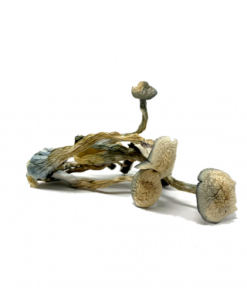
- naturally occurring fungal material;
- plant-derived material;
- pharmaceutical-looking preparations used in research;
- powders;
- liquids;
- processed edibles.
Appearance cannot reliably establish chemical identity.
An unknown capsule or powder should never be identified as LSD, psilocybin, or another psychedelic solely by its appearance.
Research Chemicals LSD Alike With No Anxiety or Nausea
The search research chemicals LSD alike no anxiety nausea reflects a potentially dangerous assumption: that an unregulated research chemical can deliver selected psychedelic effects while reliably eliminating adverse effects.
There is no responsible basis for such a guarantee.
Even established psychedelics studied under controlled conditions can cause anxiety and nausea. Across psilocybin trials, nausea and anxiety are among repeatedly documented acute adverse effects.
With poorly characterized research chemicals, uncertainty may be greater because information about:
- human toxicity;
- effective exposure;
- interactions;
- contaminants;
- long-term consequences
may be incomplete.
“Research chemical” should therefore never be interpreted as “safer version.”
Is Microdosing Proven Safe?
The long-term safety evidence for psychedelic microdosing remains limited.
A 2025 systematic review analyzed 31 studies involving LSD or psilocybin microdosing. Reported side effects were generally mild and short-lived in the available literature, but increased blood pressure, anxiety, and cognitive impairment were among reported adverse effects. The authors emphasized substantial limitations in the evidence, including heterogeneous reporting and short study durations.
This is particularly relevant to a product named Euphoria Psychedelics – Micro Dose Capsules 6000mg.
A commercial “micro dose” label does not establish that its formulation corresponds to doses evaluated in scientific microdosing research.
Does Mushrooms Cause Constipation?
The phrase does mushrooms cause constipation can refer either to ordinary edible mushrooms or psilocybin mushrooms.
For psilocybin, constipation is not among the most consistently documented acute adverse effects in modern clinical trials.
Nausea is much better established.
A 2024 meta-analysis found a substantially increased relative risk of nausea following therapeutic psilocybin compared with control conditions.
Individual gastrointestinal experiences can still vary.
Constipation can also have many unrelated causes, including hydration, diet, medications, reduced physical activity, and underlying gastrointestinal conditions.
Can Psychedelic Mushrooms Upset the Stomach?
Yes.
Nausea is one of the most consistently reported physical effects of psilocybin in clinical research.
A systematic review covering 16 psilocybin studies found that transient nausea and headache were among the most common treatment-emergent adverse effects.
That finding concerns controlled psilocybin studies.
Whole mushroom products may introduce additional variables because fungal material contains numerous non-psilocybin components, and unregulated commercial products can contain additional ingredients.
Does Shrooms Make You Hungry?
There is no well-established universal appetite response to psilocybin.
Some people may report changes in hunger during or after psychedelic experiences, but clinical evidence does not establish psilocybin as an appetite stimulant.
In fact, a broader 2024 meta-analysis of psychedelic safety identified decreased concentration or appetite among reported side effects.
Therefore, statements such as “shrooms always make you hungry” would be inaccurate.
Changes in appetite can also reflect nausea, emotional state, fasting, time of day, or other substances.
Do Shrooms Make You Pee?
There is not strong clinical evidence establishing increased urination as a defining pharmacological effect of psilocybin.
Urination frequency can change for many reasons, including:
fluid consumption,
caffeine,
alcohol,
anxiety,
medications,
blood-glucose changes,
or urinary conditions.
Someone experiencing persistent excessive urination should therefore not automatically attribute it to psychedelic mushrooms.
If the symptom continues after the acute drug effects have ended, an unrelated medical cause may need consideration.
Psychedelics and Anxiety
Anxiety is particularly important because some internet searches look for psychedelics specifically advertised as producing “no anxiety.”
No psychedelic can be guaranteed to eliminate that possibility.
A 2024 meta-analysis found an increased risk of acute anxiety with therapeutic psilocybin compared with control conditions.
Yet psychedelics are simultaneously being researched as interventions for certain anxiety-related and depressive conditions.
There is no contradiction: a drug can cause temporary anxiety during administration while potentially affecting longer-term psychiatric symptoms in selected patients.
That is precisely why controlled clinical research matters.
Psychedelics and Nausea
Nausea is similarly well documented.
Across clinical studies of serotonergic psychedelics and MDMA, nausea, headaches, and anxiety were among commonly reported acute adverse effects.
Claims that an LSD-like or psilocybin-like substance is guaranteed to produce “no nausea” should therefore be treated skeptically.
Individual responses vary, and an unknown research chemical introduces additional uncertainty.
Psychedelics and Blood Pressure
Temporary cardiovascular changes can occur during psychedelic administration.
The 2024 psilocybin meta-analysis found an increased risk of elevated blood pressure compared with control conditions.
Another meta-analysis examining psychedelic psychotherapy similarly identified increased heart rate and systolic and diastolic blood pressure during acute administration.
This is one reason clinical psychedelic trials screen participants and monitor physiological measures.
What Does Current Research Say About Psychedelic Safety?
Modern clinical evidence provides a more nuanced picture than either “psychedelics are completely harmless” or “psychedelics are inherently disastrous.”
In carefully controlled research settings, serious adverse events appear uncommon. Common acute effects include nausea, headache, anxiety, dizziness, and temporary cardiovascular changes.
But the controlled setting matters enormously.
Research results cannot automatically be generalized to unregulated products, unknown research chemicals, polysubstance use, or people excluded from clinical trials because of medical or psychiatric risk factors.
Frequently Asked Questions
1. What is Euphoria Psychedelics – Micro Dose Capsules 6000mg?
Euphoria Psychedelics – Micro Dose Capsules 6000mg is a product-style name associated with psychedelic or mushroom supplements. Its actual ingredients and the meaning of 6000mg should be verified from reliable labeling and analytical testing.
2. Does 6000mg mean 6000mg of psilocybin?
Not automatically. Clinical psilocybin research typically involves quantities far below thousands of milligrams, making it particularly important to establish what a commercial 6000mg claim measures.
3. What is the meaning of psychedelics?
Psychedelics are psychoactive substances capable of producing pronounced changes in perception, cognition, emotion, and consciousness.
4. What are psychedelic drugs?
Classic examples include psilocybin, LSD, DMT, and mescaline.
5. What are common hallucinogen drug effects?
Effects can include altered perception and cognition. Depending on the compound, adverse effects can include anxiety, nausea, headache, dizziness, and cardiovascular changes.
6. Are psychedelics bad for you?
Psychedelics carry genuine risks, but some are also being investigated medically. Safety findings from controlled trials should not be generalized automatically to recreational use.
7. Are hallucinogens illegal?
Legal status depends on the particular drug and jurisdiction. Several classic psychedelics remain federally controlled in the United States.
8. What do hallucinogens look like?
There is no universal appearance. Hallucinogens encompass chemically and physically different substances, and appearance cannot reliably establish identity.
9. Is there an LSD-like research chemical guaranteed to cause no anxiety or nausea?
No. Such a guarantee is scientifically unreliable, and unknown research chemicals can introduce additional toxicological uncertainty.
10. Is psychedelic microdosing proven safe?
Long-term evidence remains incomplete. A 2025 systematic review found generally mild reported side effects but identified anxiety, blood-pressure changes, and cognitive impairment among potential effects.
11. Does mushrooms cause constipation?
Constipation is not among the most consistently documented acute psilocybin effects. Nausea has substantially stronger clinical evidence.
12. Does shrooms make you hungry?
There is no universal appetite response. Some psychedelic research has reported decreased appetite rather than increased hunger.
13. Do shrooms make you pee?
Frequent urination is not established as a defining psilocybin effect. Persistent urinary changes can have many other causes.
14. Can psilocybin cause nausea?
Yes. Nausea is among the most consistently reported acute adverse effects in controlled psilocybin studies.
15. Are psychedelics FDA-approved simply because they are being researched?
No. FDA regulates clinical drug development, and its July 2026 psychedelic guidance addresses research requirements; investigation does not itself establish approval.
Responsible Psychedelic Education
Euphoria Psychedelics – Micro Dose Capsules 6000mg illustrates why commercial psychedelic terminology needs to be separated from clinical pharmacology.
Neither “micro dose” nor “6000mg” establishes the product’s actual psilocybin content. The ingredient, concentration, and laboratory verification need to be known before meaningful pharmacological claims can be made.
Likewise, searches asking are psychedelics bad for you or why are psychedelics bad deserve evidence rather than alarmism. Controlled studies show that psychedelics can cause acute nausea, headache, anxiety, dizziness, and cardiovascular changes while serious events appear relatively uncommon among carefully screened research participants.
The phrase research chemicals LSD alike no anxiety nausea deserves additional caution. There is no reliably risk-free LSD substitute, and anxiety and nausea are documented even with well-characterized psychedelics used in controlled research.
Finally, gastrointestinal and bodily questions should not be exaggerated for SEO. Nausea is well established with psilocybin, whereas constipation, increased hunger, and increased urination are not defining effects supported to the same degree by current clinical evidence.
FDA’s 2026 final guidance underscores where the science currently stands: psychedelic drugs remain an active area of medical investigation requiring carefully designed clinical studies rather than assumptions based on commercial product marketing.
Be the first to review “Euphoria Psychedelics – Micro Dose Capsules 6000mg”
Related products


Mushrooms

Mushrooms
Microdose Shrooms
Microdose Shrooms

Mushrooms
Microdose Shrooms
Reviews
There are no reviews yet.