

EUPHORIA PSYCHEDELICS – Strawberry Swirl (3000mg): Cannabis Addiction, THC Dependence, Mental Health and Long-Term Weed Use
Introduction
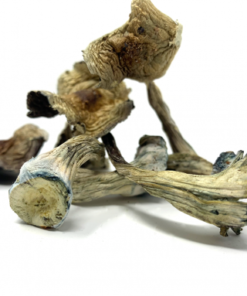
EUPHORIA PSYCHEDELICS – Strawberry Swirl (3000mg) is a product-style name associated with the broader psychedelic-edible market. The name and the 3000mg statement alone do not establish the exact psychoactive ingredient, its concentration, or whether the stated weight refers to mushroom material, an extract, a blend, or another component. Reliable ingredient labeling and independent testing are necessary before making conclusions about a particular product’s pharmacology.
Searches surrounding EUPHORIA PSYCHEDELICS – Strawberry Swirl (3000mg) also overlap with important cannabis questions including pot addict, can you become addicted to weed, marijuana use disorder, addicted weed, addictions cannabis, can you get addicted to pot, weed dependency, can you be addicted to cannabis, weed and mental health, THC addiction, long term weed use, can u get addicted to weed, chronic cannabis use, and can u get addicted to pot.
The short answer is important: yes, cannabis can become addictive for some people. Clinically, problematic cannabis use is generally described as cannabis use disorder (CUD) rather than labeling someone a “pot addict.” Cannabis dependence also should not be confused with psychedelic mushroom use merely because the subjects appear together in online searches. Recent research continues to recognize CUD as a clinically significant substance-use disorder.
Readers can explore additional educational discussions through Psychedelics and Shrooms.
What Is EUPHORIA PSYCHEDELICS – Strawberry Swirl (3000mg)?
The product name suggests a flavored psychoactive or mushroom-oriented edible, but branding is not sufficient to determine what the product actually contains.
The 3000mg statement deserves particular caution. A milligram number means little scientifically unless the package identifies exactly what is being measured.
For example, it could theoretically refer to total mushroom material, an extract, a proprietary mixture, or another ingredient.
It should not automatically be interpreted as 3000 mg of psilocybin, THC, or another isolated psychoactive compound.
Anyone researching products of this type should look for a complete ingredient panel, manufacturer identification, serving information, batch-specific laboratory results, and contaminant screening.
Is Strawberry Swirl 3000mg a Cannabis Edible?
The product name by itself does not establish that EUPHORIA PSYCHEDELICS – Strawberry Swirl (3000mg) contains cannabis or THC.
That distinction matters because cannabis and classic psychedelics belong to different pharmacological categories.
THC primarily produces its characteristic effects through the body’s endocannabinoid system, particularly cannabinoid CB1 receptors.
Classic psychedelics such as psilocybin and LSD primarily produce their characteristic psychedelic effects through serotonin-related mechanisms, especially 5-HT2A receptors.
A product should therefore not be called a THC edible simply because cannabis-related keywords appear alongside it in search results.
Can You Become Addicted to Weed?
Yes. You can become addicted to weed, although not everyone who uses cannabis develops a problem.
The recognized clinical diagnosis is cannabis use disorder.
CUD describes a problematic pattern of cannabis use associated with clinically meaningful impairment or distress. A 2025 meta-analysis examined population surveys of cannabis use disorder and emphasized that prevalence estimates vary considerably depending on country, year, diagnostic method, and other methodological factors.
This is a more accurate way to discuss the subject than assuming that everyone who uses cannabis is addicted.
What Is Marijuana Use Disorder?
Marijuana use disorder is another commonly searched term for cannabis use disorder.
A person with CUD may experience difficulty controlling cannabis use even when it causes problems.
Clinicians look at patterns such as:
- unsuccessful efforts to reduce use;
- cravings;
- increasing amounts of time devoted to cannabis;
- continuing despite social or health consequences;
- interference with responsibilities;
- tolerance;
- withdrawal;
- continued use despite recognizing problems.
Having one isolated experience does not automatically establish a disorder. Diagnosis considers the overall pattern and its consequences.
What Does “Pot Addict” Mean?
Pot addict is an informal phrase rather than the preferred clinical terminology.
“Person with cannabis use disorder” is more precise because it identifies a treatable health condition without reducing someone to a label.
Addiction also exists on a spectrum.
Someone can experience relatively mild problems with cannabis, while another person can develop a severe pattern involving frequent use, substantial impairment, repeated unsuccessful attempts to quit, and withdrawal.
Can You Get Addicted to Pot?
Yes. Searches such as can you get addicted to pot, can u get addicted to pot, can u get addicted to weed, and can you be addicted to cannabis are asking essentially the same question.
Cannabis addiction is medically recognized.
A major review estimated that cannabis use disorder affects a meaningful minority of cannabis users worldwide, although prevalence varies substantially among populations and according to how CUD is defined and measured.
Risk is not equal for every consumer.
Patterns of frequent use and other individual factors can influence the likelihood of developing problematic cannabis use.
Sources and Further Reading
For evidence-based information about cannabis dependence and treatment, National Institute on Drug Abuse — Marijuana Research Report explains cannabis use disorder, withdrawal and behavioral treatment approaches. NIDA discusses cognitive behavioral therapy, motivational enhancement therapy, and contingency management as approaches that have shown promise.
For recent scientific evidence, PubMed — Prevalence of Cannabis Use Disorder Meta-Analysis evaluates population-level estimates of cannabis use disorder and explains why prevalence estimates vary among studies.
A second recent resource, PubMed — Effectiveness of Cannabis Use Disorder Interventions, reviews behavioral and pharmacological treatment evidence. The analysis found benefits from CBT and motivational enhancement therapy, with some improved outcomes when contingency management was added.
Readers can also explore Psychedelics and Shrooms — Educational Resources for additional educational discussions about psychoactive substances.
What Is THC Addiction?
THC addiction is an informal way of referring to problematic cannabis use involving THC-containing products.
THC—delta-9-tetrahydrocannabinol—is the primary intoxicating cannabinoid in cannabis.
Repeated exposure can produce adaptations associated with tolerance and dependence.
However, three terms should be distinguished:
Tolerance means a person’s response to a given amount changes after repeated exposure.
Physical dependence means the body has adapted sufficiently that stopping can produce withdrawal symptoms.
Cannabis use disorder involves a broader problematic behavioral pattern resulting in impairment or distress.
They overlap, but they are not identical.
What Is Weed Dependency?
Weed dependency usually refers to cannabis dependence.
People who regularly use cannabis can develop withdrawal symptoms after stopping or substantially reducing use.
Commonly described symptoms can include irritability, anxiety, sleep difficulty, reduced appetite, restlessness, and cannabis cravings.
Withdrawal does not mean that every cannabis user has an addiction.
Instead, it can be one component considered when evaluating a broader pattern of cannabis use.
What Is Chronic Cannabis Use?
Chronic cannabis use generally means repeated or long-term use, but there is no single frequency that automatically defines “chronic.”
Someone using cannabis daily for years and someone using it periodically over the same period have substantially different exposure patterns.
Research therefore often considers:
frequency,
duration,
THC concentration,
age when regular use began,
method of administration,
other substance use,
and underlying health conditions.
These differences help explain why broad statements such as “weed affects everyone the same way” are inaccurate.
Long-Term Weed Use and Tolerance
Long term weed use can produce tolerance in some people.
Tolerance means that repeated exposure reduces sensitivity to certain effects, potentially leading someone to use more cannabis to achieve effects previously experienced with a smaller amount.
Tolerance alone does not prove that someone has cannabis use disorder.
However, increasing tolerance combined with cravings, impaired control, withdrawal, or continued use despite significant consequences can be part of a larger problematic pattern.
Weed and Mental Health
The relationship between weed and mental health is complicated.
People sometimes use cannabis because they believe it helps anxiety, depression, trauma symptoms, sleep problems, or stress. This does not establish that cannabis effectively treats the underlying disorder.
A recent 2026 review in JAMA Internal Medicine found that the potential mental-health benefits of cannabis remain poorly studied. The authors found low-certainty evidence that THC-predominant cannabis may not improve PTSD symptoms and concluded that evidence concerning long-term THC-predominant cannabis use for anxiety, depression, and ADHD remains largely insufficient.
The direction of association can also be difficult to determine. Mental-health symptoms may influence cannabis use, cannabis may influence symptoms, and other factors may contribute to both.
Cannabis and Anxiety
Cannabis can produce very different psychological experiences among individuals.
Some people report relaxation, while others experience anxiety, panic, suspiciousness, or paranoia.
THC concentration, previous exposure, individual susceptibility, environment, and other substances can all affect the experience.
Someone who repeatedly uses cannabis to manage anxiety but finds that anxiety worsens should discuss the pattern with an appropriate healthcare professional rather than assuming that increasing cannabis exposure will solve the problem.
Cannabis and Psychosis
One of the more important areas of cannabis mental-health research concerns psychosis.
Cannabis use has been associated with psychotic experiences and psychotic disorders, particularly in certain higher-risk patterns and populations.
Association does not mean every cannabis user will develop psychosis.
Individual vulnerability matters considerably.
People who experience hallucinations, severe paranoia, major confusion, or persistent changes in thinking following cannabis use should take those symptoms seriously and seek medical assessment.
Cannabis and Depression
The relationship between cannabis and depression is similarly complex.
Some individuals use cannabis in an attempt to cope with low mood, while chronic or problematic use may coexist with depression.
Current evidence does not justify presenting ordinary THC-dominant cannabis as an established treatment for depressive disorders.
Recent scientific reviews emphasize that evidence for cannabis as a mental-health treatment remains limited and that adverse effects require consideration.
Cannabis and Motivation
People sometimes use terms such as “amotivational syndrome” when discussing chronic cannabis use.
The scientific picture is more complicated than the stereotype that cannabis inevitably makes someone lazy.
Motivation, attention, education, employment, sleep, depression, anxiety, socioeconomic circumstances, and other substance use can interact.
Heavy cannabis use may contribute to functional problems for some people, but individual outcomes should not be reduced to a single stereotype.
Does Daily Cannabis Use Mean Addiction?
No.
Daily use increases exposure and can be an important risk marker, but frequency alone does not establish a diagnosis.
A clinician assessing possible CUD would consider whether cannabis use has become difficult to control and whether it is causing meaningful problems.
Someone could use frequently without meeting all diagnostic criteria, while another person could use less frequently yet still experience significant cannabis-related impairment.
The pattern and consequences matter.
Can Cannabis Withdrawal Happen?
Yes.
Cannabis withdrawal is recognized and can occur after stopping or substantially reducing frequent cannabis use.
Symptoms commonly involve sleep problems, irritability, anxiety, restlessness, appetite changes, and cravings.
Withdrawal symptoms can make quitting difficult and can contribute to returning to cannabis use.
Recognizing withdrawal can help people understand why repeated attempts to quit sometimes fail.
Is There Treatment for Cannabis Addiction?
Yes. Cannabis use disorder is treatable.
Behavioral interventions currently have the strongest established role.
A 2025 evidence synthesis found that cognitive behavioral therapy (CBT) and motivational enhancement therapy (MET) improved short-term cannabis-use frequency and dependency severity. Adding contingency management (CM) could further improve outcomes.
A newer systematic review and meta-analysis likewise evaluated psychosocial interventions for cannabis use disorder and found evidence supporting structured psychological approaches.
Treatment does not require someone to reach an extreme level of addiction before asking for help.
Is There Medication for Marijuana Use Disorder?
There is currently no FDA-approved medication specifically for cannabis use disorder.
A 2025 Cochrane review examined multiple pharmacological candidates and concluded that evidence remains incomplete; investigated medications should still be considered experimental for treating CUD.
NIDA likewise notes that behavioral treatments have shown promise while no FDA-approved medication currently treats marijuana use disorder.
This is an active research area.
Cognitive Behavioral Therapy for Cannabis Use
CBT helps individuals identify relationships among thoughts, emotions, environmental triggers, and cannabis use.
Treatment can involve developing alternative coping strategies, planning for high-risk situations, and changing behaviors that reinforce substance use.
Research indicates that CBT can reduce cannabis use and related problems, particularly when treatment involves more than a very brief intervention.
CBT can also be useful when cannabis use occurs alongside anxiety, depression, or other psychological difficulties.
Motivational Enhancement Therapy
Motivational enhancement therapy focuses on helping someone examine their own reasons for changing cannabis use.
Instead of relying simply on confrontation, MET works with ambivalence.
A person might simultaneously recognize that cannabis is affecting work or relationships while also believing that it helps them relax.
Treatment can help clarify those competing motivations and establish achievable goals.
Evidence supports MET as one component of cannabis use disorder treatment.
Contingency Management
Contingency management uses structured reinforcement to encourage measurable treatment goals.
Research suggests that combining CM with CBT or motivational interventions can improve certain cannabis-treatment outcomes.
It is a clinical behavioral strategy rather than simply “rewarding people for behaving.”
The approach is also studied across several other substance-use disorders.
Cannabis Dependence and Young People
Age matters when discussing cannabis risk.
Adolescence and young adulthood are periods of continuing brain development, and early frequent exposure raises particular public-health concerns.
Treatment approaches for younger people may also differ. A recent systematic review found that interventions incorporating family engagement and contingency-based approaches show promise among adolescents, while technology-based and peer-support interventions may be useful for young adults.
Educational material should therefore avoid treating adolescent and adult cannabis use as identical situations.
Cannabis Use Disorder Is Not a Moral Failure
CUD is a recognized health condition involving behavior, learning, reinforcement, neurobiology, environment, and individual vulnerability.
Treating it purely as a question of willpower can discourage people from seeking care.
Research instead supports structured behavioral treatment and individualized management, particularly when mental-health or other substance-use disorders occur simultaneously.
Cannabis vs Psychedelics
Cannabis and classic psychedelics should not be treated as the same drug class.
| Feature | THC-dominant cannabis | Classic psychedelics |
|---|---|---|
| Major signaling system | Cannabinoid receptors | Primarily serotonin 5-HT2A |
| Cannabis use disorder | Recognized diagnosis | Different dependence profile |
| Withdrawal | Can occur | Not typical in the same pattern |
| Tolerance | Can develop | Can also develop, differently |
| Perceptual changes | Possible | Characteristic |
| Pharmacology | Cannabinoid | Serotonergic |
Therefore, cannabis-related keywords appearing alongside EUPHORIA PSYCHEDELICS – Strawberry Swirl (3000mg) should not imply that the product contains cannabis.
Frequently Asked Questions
1. What is EUPHORIA PSYCHEDELICS – Strawberry Swirl (3000mg)?
EUPHORIA PSYCHEDELICS – Strawberry Swirl (3000mg) is a product-style name associated with the psychedelic-edible market. The exact ingredients and meaning of 3000mg should be established from reliable labeling and testing.
2. Can you become addicted to weed?
Yes. Some cannabis users develop cannabis use disorder, a recognized substance-use disorder.
3. Can you get addicted to pot?
Yes. Cannabis can produce problematic patterns of use involving impaired control, cravings, tolerance, withdrawal, and continued use despite consequences.
4. What is marijuana use disorder?
Marijuana use disorder is commonly called cannabis use disorder today. It describes problematic cannabis use resulting in clinically significant impairment or distress.
5. Is weed dependency real?
Yes. Physical dependence and withdrawal can develop with repeated cannabis exposure, although dependence and cannabis use disorder are not exactly the same thing.
6. What is THC addiction?
THC addiction is an informal term generally referring to cannabis use disorder involving THC-containing cannabis products.
7. Does everyone who smokes cannabis become addicted?
No. Many cannabis users do not develop CUD, but a meaningful proportion do. Risk varies according to individual and exposure factors.
8. Does daily weed use mean someone is addicted?
Not automatically. Frequency matters, but diagnosis also considers impaired control, cravings, withdrawal, consequences, and functional impairment.
9. Can cannabis withdrawal occur?
Yes. Frequent users can experience symptoms such as irritability, anxiety, sleep disturbance, appetite changes, restlessness, and cravings when reducing or stopping cannabis.
10. Can long-term weed use affect mental health?
Cannabis and mental health have complex relationships. Evidence does not establish THC-dominant cannabis as a broadly effective treatment for common psychiatric disorders, and adverse psychological effects can occur.
11. Can weed cause anxiety?
Cannabis can cause or worsen anxiety in some individuals, even though other people report feeling relaxed.
12. Is chronic cannabis use the same as cannabis use disorder?
No. Chronic use describes an exposure pattern; CUD is a clinical disorder characterized by problematic use and impairment.
13. Is cannabis addiction treatable?
Yes. CBT, motivational enhancement therapy, contingency management, and combinations of these approaches have supporting evidence.
14. Is there an FDA-approved medication for cannabis addiction?
No medication is currently FDA-approved specifically for cannabis use disorder. Pharmacological treatments remain an active research area.
15. Is cannabis the same as a psychedelic?
No. Cannabis primarily acts through cannabinoid signaling, while classic psychedelics primarily produce their characteristic effects through serotonergic mechanisms.
Responsible Cannabis and Psychedelic Education
EUPHORIA PSYCHEDELICS – Strawberry Swirl (3000mg) should be evaluated according to verified ingredients rather than assumed to contain cannabis, psilocybin, or a particular amount of any psychoactive compound based solely on branding.
The supporting searches raise a separate and important public-health question: can you become addicted to weed? The evidence establishes that the answer is yes. Cannabis use disorder is a recognized condition, although not everyone who uses marijuana develops it.
Terms such as pot addict, addicted weed, addictions cannabis, weed dependency, THC addiction, long term weed use, and chronic cannabis use should therefore be discussed using accurate clinical terminology rather than stigma or exaggeration.
Mental health deserves similar nuance. Cannabis is sometimes used in attempts to manage anxiety, depression, PTSD, or sleep difficulties, but recent evidence does not support broad claims that THC-predominant cannabis reliably treats psychiatric conditions.
When cannabis use becomes difficult to control, treatment is available. Current evidence supports behavioral interventions including CBT, motivational enhancement therapy, and contingency management, while researchers continue investigating pharmacological approaches.
Be the first to review “EUPHORIA PSYCHEDELICS – Strawberry Swirl (3000mg)”
Related products

Microdose Shrooms
Mushrooms
Mushrooms
Microdose Shrooms
Microdose Shrooms
Microdose Shrooms
Mushrooms
Reviews
There are no reviews yet.