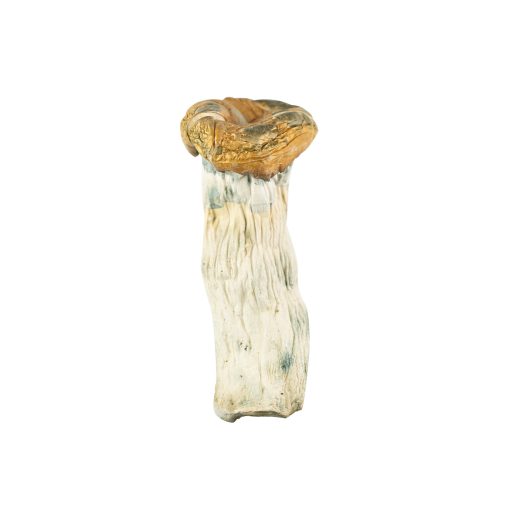
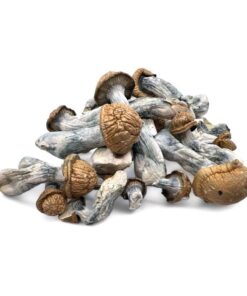
Golden Thrasher Mushroom:
Why Mushrooms Grow and Their Effects on Digestion
Mushrooms are fascinating organisms that play an essential role in ecosystems around the world. Whether you’re curious about why do mushrooms grow, exploring different mushroom varieties such as Golden Thrasher, or wondering about digestive questions like can mushrooms cause diarrhea or can mushrooms cause gas, understanding the science behind fungi can help separate facts from myths. While many edible mushrooms are nutritious and safe when properly prepared, individual reactions can vary depending on the species, preparation method, and a person’s digestive health.
Why Do Mushrooms Grow?
Many people ask why do mushrooms grow or what causes mushrooms to grow. Mushrooms are the fruiting bodies of fungi that develop when environmental conditions are favorable. Moisture, organic matter, moderate temperatures, and suitable humidity encourage fungal growth. Their primary purpose is reproduction, allowing fungi to release spores that spread and establish new colonies. In forests, gardens, lawns, and decaying wood, mushrooms help recycle nutrients by breaking down dead organic material.
Can Mushrooms Cause Diarrhea?
Questions such as can mushrooms cause diarrhea, do mushrooms cause diarrhea, can mushrooms give you diarrhea, and mushrooms diarrhea are common online. Most edible mushrooms do not cause digestive problems when they are fresh, properly cooked, and consumed in moderation. However, some individuals may experience diarrhea after eating mushrooms due to food sensitivities, consuming spoiled mushrooms, eating excessive amounts, or accidentally consuming toxic species. Certain wild mushrooms can cause severe gastrointestinal illness and require immediate medical attention if ingested.
Can Mushrooms Cause Gas?
Another common concern is can mushrooms cause gas, can mushrooms give you gas, does mushrooms make you gassy, do mushrooms cause flatulence, and mushrooms gas. Mushrooms naturally contain dietary fiber and complex carbohydrates that can be more difficult for some people to digest. As beneficial bacteria in the digestive tract break down these compounds, gas may be produced, leading to bloating or flatulence in sensitive individuals. Cooking mushrooms thoroughly and introducing them gradually into the diet may help reduce digestive discomfort for some people.
Safe Mushroom Consumption
Golden Thrasher and other mushroom varieties should always be correctly identified before consumption. Never eat wild mushrooms unless they have been positively identified by an experienced expert, as some poisonous species closely resemble edible varieties. Purchasing mushrooms from reputable grocery stores or trusted suppliers helps reduce the risk of accidental poisoning.
For individuals with existing digestive disorders such as irritable bowel syndrome (IBS) or food sensitivities, eating smaller portions and monitoring personal tolerance may be beneficial. If persistent diarrhea, severe abdominal pain, vomiting, or allergic reactions occur after eating mushrooms, medical evaluation is recommended.
Conclusion
Understanding what causes mushrooms to grow and how mushrooms interact with the digestive system can help consumers make informed choices. While most edible mushrooms are nutritious and enjoyed worldwide, digestive reactions such as gas or diarrhea can occur in some individuals depending on the type consumed, preparation, and personal sensitivity. Continued scientific research helps improve our understanding of mushroom nutrition, food safety, and human digestion.
For additional educational information, visit Wikipedia’s page on Mushrooms and explore nutrition resources from the National Institutes of Health (NIH).
Strains such as Golden Thrasher are often discussed within the broader category of Psilocybe cubensis varieties.
Different mushroom varieties may vary in:
- appearance
- potency
- environmental habitat
Psilocybin vs Psilocin
Psilocybin mushrooms contain two closely related compounds.
| Compound | Description |
|---|---|
| Psilocybin | A prodrug converted in the body |
| Psilocin | Active compound interacting with brain receptors |
Psilocin interacts with serotonin receptors, particularly the 5-HT2A receptor, which plays a role in perception and cognitive processing.
History of Psychedelic Mushrooms
Historical evidence suggests psychedelic mushrooms have been used in ceremonial and cultural contexts for thousands of years.
Ancient artifacts known as mushroom stones found in Central America suggest early ritual use.
In the 1950s, Western researchers began documenting these traditions, which eventually led to modern scientific interest in psilocybin compounds.
Science & Research
Psilocybin and Depression Studies
Recent clinical research has explored psilocybin in controlled therapeutic environments.
Studies are investigating whether psilocybin-assisted therapy may influence:
- mood regulation
- emotional processing
- psychological flexibility
Several early studies have shown promising results in treatment-resistant depression.
Australian regulatory frameworks are overseen by the
Therapeutic Goods Administration, which supervises emerging therapeutic research involving psychedelic compounds.
Psilocybin Brain Effects Base on Research
Neuroscience research shows that psilocybin may temporarily alter brain network communication.
Researchers have observed changes in the default mode network, a brain system involved in:
- self reflection
- memory
- mental rumination
These findings have led scientists to explore how psychedelics may influence cognitive flexibility and perception.
Research in this field is being conducted by institutions including the
University of Melbourne
and
Monash University.
Psychedelic Therapy Research
Psychedelic-assisted therapy is an emerging area of scientific interest.
This therapeutic model typically involves:
- Psychological preparation
- A supervised research session
- Integration and follow-up therapy
Researchers are studying potential applications for:
- depression
- anxiety disorders
- PTSD
- addiction
Mushroom Appearance Guide
People often search questions such as:
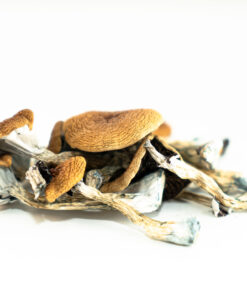
- what does 1g of shrooms look like
- what does one gram of shrooms look like
- 1 gram of mushrooms looks like
Because mushrooms vary widely in size and density, the physical appearance of 1 gram can differ depending on:
- species
- drying method
- cap size
- stem thickness
Larger mushrooms may weigh several grams individually, while smaller dried fragments may appear much smaller.
Hallucinogen Classifications
Researchers generally categorize hallucinogens into three subclasses.
1. Psychedelics
Examples include compounds that influence serotonin receptors.
2. Dissociatives
These affect perception and sensory awareness.
3. Deliriants
A separate class affecting cognition and perception differently.
These classifications help scientists study the neurological mechanisms behind altered states of consciousness.
Where to Explore Mushroom Species for Research
Researchers and enthusiasts interested in learning about various psychedelic mushroom species can explore educational resources and guides on:
These informational resources provide articles discussing mushroom biology, psychedelic history, and emerging scientific studies.
Frequently Asked Questions
What is the Golden Thrasher mushroom?
Golden Thrasher refers to a mushroom variety often discussed within psilocybin mushroom communities and research discussions related to Psilocybe cubensis strains.
What does 1 gram of mushrooms look like?
The appearance of one gram of mushrooms varies depending on species and density. Dried mushrooms may appear as a small cap and stem or several fragments.
Are psilocybin mushrooms being researched in USA?
Yes. researchers and medical institutions are currently exploring psilocybin in controlled clinical research settings.
What are the three subclasses of hallucinogens?
Scientists typically classify hallucinogens into psychedelics, dissociatives, and deliriants based on their effects on brain chemistry.
Where can I learn about different mushroom species?
Educational resources and mushroom research articles can be explored on websites such as psychedelicsandshrooms.com as well as academic research institutions.
| Quantity | 14G, 28G, 1/4 LB |
|---|
Be the first to review “Golden Thrasher”
Related products
Mushrooms
Microdose Shrooms
Microdose Shrooms
Mushrooms

Microdose Shrooms
Mushrooms
Mushrooms
Mushrooms
Reviews
There are no reviews yet.