Ketamine Liquid: Medical Uses, Psychoactive Plants, DMT, Dangerous Drugs and Addiction Support
Introduction
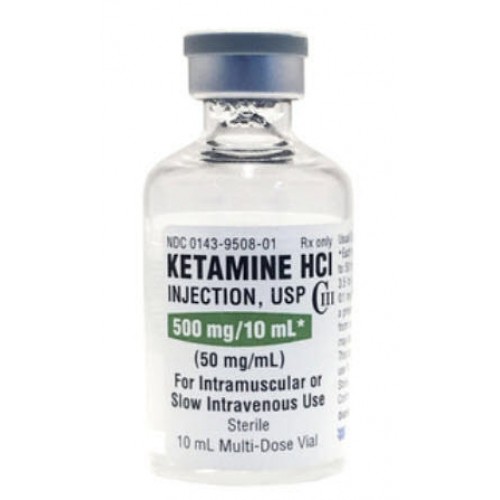
Ketamine Liquid refers to ketamine in a liquid pharmaceutical formulation, most commonly ketamine hydrochloride injection used in medical settings. Ketamine is a dissociative anesthetic with hallucinogenic effects, and the FDA currently approves ketamine for induction and maintenance of general anesthesia. It is also a Schedule III controlled substance in the United States.
Searches surrounding Ketamine Liquid also overlap with psychoactive plants, DMT plants, plant psychedelics, what plants have DMT, hardest drug, what is the strongest drug, what is the worst drug, what is the most dangerous drug, deadliest drugs, hardest drugs to quit, helping an addict, how to help someone with addiction, heroin spoon, and heroin pipes.
These topics should be separated carefully. Ketamine is a regulated dissociative anesthetic; DMT is a classic psychedelic associated with certain plants and preparations; and heroin is an opioid with high addiction and overdose risk. There is also no scientifically meaningful single answer to “what is the strongest drug?” because danger can mean overdose lethality, addiction potential, withdrawal severity, psychiatric toxicity or another outcome.
Readers can also explore broader educational material through Psychedelics and Shrooms.
What Is Ketamine Liquid?
Ketamine Liquid usually refers to ketamine hydrochloride formulated for injection in medical care.
Current FDA prescribing information identifies Ketalar as a general anesthetic used for diagnostic and surgical procedures and for induction of anesthesia before other anesthetic agents.
Ketamine produces a distinctive dissociative state. The DEA describes it as a dissociative anesthetic with some hallucinogenic effects, capable of altering sight, sound and the person’s sense of connection to their surroundings.
Possible medically observed effects can include:
- sedation;
- pain relief;
- amnesia;
- dissociation;
- altered perception.
These effects are the reason ketamine has legitimate medical value but also misuse potential.
Is Ketamine a Psychedelic?
Ketamine is more accurately classified as a dissociative anesthetic rather than a classic serotonergic psychedelic.
Classic psychedelics such as psilocybin and LSD mainly produce their characteristic psychedelic effects through serotonin-related mechanisms.
Ketamine primarily acts through glutamatergic systems, particularly NMDA-receptor antagonism.
NIDA therefore groups ketamine within the broader category of psychedelic and dissociative drugs while distinguishing dissociatives from classic psychedelics.
Is Ketamine FDA Approved for Depression?
Ketamine itself is FDA-approved as an anesthetic, not as an FDA-approved treatment for depression or chronic pain. FDA has specifically noted increasing therapeutic interest in these off-label uses while emphasizing that ketamine remains approved for anesthesia.
A related drug, esketamine, is FDA-approved as Spravato nasal spray for certain depressive disorders. Its current prescribing information carries warnings concerning sedation, dissociation, respiratory depression, abuse and misuse.
Ketamine and esketamine should therefore not be treated as identical products.
Ketamine Liquid Safety
Medical ketamine is administered under controlled conditions because it can produce significant psychological and physiological effects.
DEA information identifies possible unwanted effects including agitation, cognitive problems, unconsciousness, amnesia, nausea and involuntary eye movements.
FDA labeling also recognizes important respiratory and cardiovascular considerations during administration.
The fact that ketamine is medically useful does not mean unsupervised ketamine is risk-free.
Sources and Further Reading
FDA — Ketalar Prescribing Information provides current U.S. prescribing information for ketamine hydrochloride injection and its anesthetic indications.
NIDA — Psychedelic and Dissociative Drugs explains the differences among classic psychedelics, dissociative substances and other drugs affecting perception.
DEA — Ketamine Drug Fact Sheet summarizes ketamine’s medical role, dissociative effects and misuse risks.
Readers can also explore Psychedelics and Shrooms — Educational Resources for additional educational material about psychedelics and psychoactive substances.
What Are Psychoactive Plants?
Psychoactive plants are plants containing naturally occurring compounds capable of affecting mood, perception, cognition or nervous-system function.
Different psychoactive plants can contain very different substances.
Examples include plants associated with:
- caffeine;
- nicotine;
- mescaline;
- DMT;
- cathinone;
- cannabinoids.
The word “plant” therefore tells us very little about pharmacological risk.
A plant-derived drug can still be powerful, toxic or addictive.
What Are Plant Psychedelics?
Plant psychedelics generally refers to naturally occurring psychedelic compounds derived from botanical sources.
One familiar example is mescaline, which occurs in peyote and certain other cacti. DEA identifies peyote as a cactus whose active hallucinogenic ingredient is mescaline.
DMT is another naturally occurring psychedelic associated with several botanical species and traditional preparations.
Natural origin should not be interpreted as evidence of safety.
What Is DMT?
DMT stands for N,N-dimethyltryptamine, a potent psychedelic compound.
It belongs to the tryptamine family and produces intense alterations in perception and consciousness.
NIDA groups DMT with psychedelic drugs related to compounds such as psilocybin and LSD. Current NIDA information describes classic psychedelics as generally having lower addiction potential than many other abused drug classes, although risk is not zero and health consequences can still occur.
What Plants Have DMT?
DMT occurs naturally in multiple plant species.
Educationally, the important fact is that the compound exists in certain plants used historically in traditional psychedelic preparations. Discussing botanical occurrence is different from providing extraction or drug-manufacturing instructions.
The pharmacology of the finished preparation also depends on other compounds present.
For example, traditional ayahuasca preparations involve DMT-containing plant material together with plants containing monoamine-oxidase-inhibiting compounds, producing a pharmacological combination distinct from simply describing one plant.
This article does not provide preparation or extraction instructions.
Are DMT Plants Legal?
Legal status can depend on the plant, the controlled compound, preparation and jurisdiction.
Under U.S. federal controlled-substance law, legal treatment of a plant material is not always identical to the legal status of an isolated controlled compound.
Readers should therefore avoid broad claims such as “all DMT plants are illegal” or “DMT plants are legal everywhere.”
Applicable federal, state and local law matters.
DMT vs Ketamine
DMT and ketamine can both produce major alterations in consciousness, but they are pharmacologically different.
| Feature | DMT | Ketamine |
|---|---|---|
| Main category | Classic psychedelic | Dissociative anesthetic |
| Main mechanism | Primarily serotonergic | Primarily NMDA antagonism |
| Medical anesthesia role | No | Yes |
| FDA-approved anesthetic | No | Yes |
| Dissociation | Can occur subjectively | Core characteristic |
| Controlled in USA | Yes | Yes |
NIDA specifically distinguishes classic psychedelic drugs from dissociative drugs such as ketamine.
What Is the Hardest Drug?
There is no scientifically accepted single hardest drug.
The phrase can mean different things:
- hardest to stop using;
- most likely to cause fatal overdose;
- strongest subjective effects;
- most severe withdrawal;
- most damaging long term.
Different drugs rank differently depending on the outcome.
Heroin can produce profound opioid dependence and overdose. Methamphetamine can produce severe stimulant use disorder and psychiatric complications. Alcohol can produce medically dangerous withdrawal. Nicotine can be extremely difficult to stop despite lower acute intoxication risk than heroin.
“Hardest” therefore needs a defined metric.
What Is the Strongest Drug?
Strongest drug is similarly ambiguous.
Potency describes how much drug is needed to produce a particular biological effect. It does not automatically tell us which drug causes the most public-health harm.
Carfentanil, for example, is an extremely potent synthetic opioid. DEA currently describes it as one of the deadliest fentanyl analogues and notes the extraordinary danger associated with illicit exposure.
But a drug’s pharmacological potency is different from prevalence, addictiveness or total number of deaths.
What Is the Most Dangerous Drug?
There is no one answer independent of context.
A useful way to assess what is the most dangerous drug is to consider:
- overdose mortality;
- addiction potential;
- withdrawal risk;
- long-term organ damage;
- psychiatric effects;
- contamination;
- frequency of use.
In the United States, synthetic opioids—primarily illegally manufactured fentanyl—have driven a large proportion of fatal overdoses in recent years. CDC reported that approximately 69% of all U.S. overdose deaths in 2023 involved synthetic opioids.
The latest CDC estimates published in May 2026 indicate that U.S. opioid-involved overdose deaths nevertheless declined from an estimated 55,296 in 2024 to 44,564 in 2025.
So fentanyl remains a major danger even as national overdose mortality has recently improved.
What Are the Deadliest Drugs?
The answer depends on whether we mean total deaths or toxicity per exposure.
Current U.S. mortality data continue to show synthetic opioids as a major driver of overdose deaths. CDC’s final 2024 data recorded 47,735 deaths involving synthetic opioids other than methadone.
Cocaine and methamphetamine are also major contributors to overdose mortality, and many deaths involve multiple drugs rather than a single substance.
Polysubstance use therefore makes simple ranking increasingly misleading.
Hardest Drugs to Quit
The phrase hardest drugs to quit should also avoid absolute rankings.
Difficulty stopping depends on the substance and the person.
Addiction can be reinforced by:
- withdrawal;
- cravings;
- psychiatric symptoms;
- learned reward patterns;
- social environment;
- stress;
- chronic pain;
- co-occurring mental-health conditions.
NIDA explains that repeated drug exposure and withdrawal can change brain function and make ordinary sources of pleasure less rewarding, reinforcing ongoing substance use.
This is one reason addiction treatment may require more than motivation alone.
What Is Heroin?
Heroin is an illicit opioid.
NIDA identifies opioids as a drug class that includes prescription medications such as oxycodone and morphine as well as illegal opioids such as heroin.
Heroin is also federally classified as Schedule I.
Its major risks include severe dependence, respiratory depression and fatal overdose.
What Is a Heroin Spoon?
A heroin spoon is a term used for drug paraphernalia associated with preparing heroin or other opioids for injection.
For public-health education, finding burnt or altered spoons together with syringes or other drug paraphernalia can be one possible sign of nonmedical injection drug use.
However, a spoon by itself does not prove heroin use.
This article does not provide instructions for preparing heroin for injection.
What Are Heroin Pipes?
Heroin pipes refers to paraphernalia that may be associated with smoking heroin or other substances.
Again, paraphernalia alone does not establish precisely what substance someone has used.
The important health concern is that heroin remains an opioid capable of causing addiction and overdose regardless of route.
In today’s illicit drug supply, unidentified products may also contain synthetic opioids or other substances, creating additional uncertainty.
Helping an Addict: What Actually Helps?
The phrase helping an addict is commonly searched, although “helping someone with addiction” or “helping someone with a substance use disorder” is generally more clinically precise.
SAMHSA emphasizes that family members can support someone by connecting them with treatment, services and recovery resources.
Useful support can include:
- speaking without threats or humiliation;
- expressing specific concerns;
- encouraging professional assessment;
- offering help finding treatment;
- supporting practical needs such as transportation;
- maintaining reasonable boundaries;
- learning about overdose prevention.
The objective is not to control the person but to make treatment easier to access and recovery easier to sustain.
How to Help Someone With Addiction
Someone concerned about a family member or friend can begin by choosing a time when the person is relatively stable and communicating specific observations rather than accusations.
SAMHSA’s current guidance on helping someone with mental-health or substance-use problems emphasizes listening, expressing concern, encouraging help and recognizing that it may take multiple conversations before someone accepts treatment.
Treatment should be matched to the substance involved.
For opioid use disorder, medication treatment can be especially important. For alcohol, stimulant or other substance-use disorders, different medication and behavioral approaches may apply.
Family participation can also support recovery in appropriate circumstances. SAMHSA describes family therapy as one potential component of substance-use treatment and recovery.
Is Addiction Treatable?
Yes.
Addiction is not inevitably permanent or untreatable. SAMHSA describes recovery as an ongoing process supported through education, treatment and community resources.
The appropriate treatment depends on the drug, severity of use, withdrawal risk, health conditions and the person’s preferences.
The strongest treatment plans may combine medical care, behavioral therapy, recovery support and management of co-occurring psychiatric conditions.
Frequently Asked Questions
1. What is Ketamine Liquid?
Ketamine Liquid usually refers to ketamine hydrochloride injection, an FDA-approved anesthetic formulation.
2. Is ketamine a psychedelic?
Ketamine is primarily classified as a dissociative anesthetic with hallucinogenic effects rather than a classic serotonergic psychedelic.
3. Is ketamine FDA approved?
Yes, ketamine is FDA-approved for induction and maintenance of general anesthesia.
4. Is ketamine FDA approved for depression?
Ketamine itself is not FDA-approved for depression. Esketamine nasal spray has specific FDA-approved psychiatric indications.
5. What are psychoactive plants?
They are plants containing compounds capable of altering nervous-system activity, mood, perception or cognition.
6. What are DMT plants?
The term refers broadly to plant species containing naturally occurring DMT. Botanical occurrence should not be confused with instructions for extracting or manufacturing DMT.
7. What is the strongest drug?
There is no universal strongest drug because potency depends on the biological effect being measured. Carfentanil is one exceptionally potent and dangerous synthetic opioid.
8. What is the most dangerous drug?
There is no universal ranking, but synthetic opioids—especially illicit fentanyl—continue to account for a large share of U.S. overdose mortality.
9. What are the deadliest drugs in the USA?
Recent U.S. mortality data show synthetic opioids as a major driver, with cocaine and psychostimulants such as methamphetamine also contributing substantially.
10. What are the hardest drugs to quit?
There is no single ranking. Withdrawal, cravings, reinforcement, mental health, environment and individual biology all influence how difficult stopping can be.
11. What is a heroin spoon?
It is a form of paraphernalia sometimes associated with preparation of heroin or other drugs for injection. Its presence alone does not prove heroin use.
12. What are heroin pipes?
They are paraphernalia that may be associated with smoking heroin or other substances. The term describes an object, not proof of a particular drug exposure.
13. Is heroin an opioid?
Yes. Heroin is an illegal opioid.
14. How can I help someone with addiction?
Express specific concerns, listen without humiliation or threats, encourage professional treatment and help reduce practical barriers to accessing care. SAMHSA provides guidance specifically for families and friends.
15. Can people recover from addiction?
Yes. Recovery is possible, and evidence-based treatment and continuing support can help people reduce or stop problematic substance use and rebuild functioning.
Responsible Ketamine and Addiction Education
Ketamine Liquid should be understood first as a legitimate pharmaceutical anesthetic. Ketamine is FDA-approved for anesthesia and classified federally as Schedule III, but its dissociative and hallucinogenic effects also create misuse potential.
The supporting searches involving psychoactive plants, DMT plants, plant psychedelics and what plants have DMT belong to a different pharmacological category. Natural psychedelics should be discussed through botany, neuroscience and legal context rather than treated as inherently safe because they come from plants.
Questions about the hardest drug, strongest drug, worst drug or most dangerous drug require equal nuance. Drug harms cannot be reduced to one universal ranking. However, current U.S. overdose data continue to demonstrate the extraordinary public-health impact of synthetic opioids, particularly illicit fentanyl, even as overdose deaths fell substantially in 2024 and 2025.
Finally, terms such as heroin spoon and heroin pipes are more useful when treated as possible warning signs rather than as instructions for drug use. When substance use becomes problematic, helping someone access evidence-based treatment is more constructive than simply identifying paraphernalia or labeling them an “addict.” SAMHSA emphasizes that families can play an important role in connecting people to care and supporting recovery.
| Quantity | 5 Vials 200mg, 5 Vials 500mg, 10 Vials 200mg, 10 Vials 500mg, 15 Vials 200mg, 15 Vials 500mg, 20 Vials 200mg, 20 Vials 500mg |
|---|
Be the first to review “Ketamine Liquid”
Related products
Microdose Shrooms
Microdose Shrooms
Pharmaceuticals
Psyschedelics
Pharmaceuticals
Psyschedelics
Reviews
There are no reviews yet.