
Makilla Gorilla: Understanding Fungi Nutrition, Mushroom Meaning, and Mushroom Symbolism
Mushrooms are among the most fascinating organisms on Earth, serving important ecological roles while also carrying cultural and symbolic significance. Makilla Gorilla is a keyword often associated with mushroom education, mycology, and the growing public interest in fungi. While many people search for mushroom varieties, others want to understand how do fungi acquire nutrients, how does fungi get energy, what do fungi need to live, fungus nutrition, what does mushrooms mean, mushroom meaning, define mushroom, mushroom symbolism, spiritual meaning of mushrooms, and what does a mushroom symbolize. Learning about both the science and cultural history of mushrooms provides a well-rounded understanding of these remarkable organisms. For more educational articles about fungi and mushroom research, visit PsychedelicsAndShrooms.com.
What Is Makilla Gorilla?
Makilla Gorilla is commonly referenced in discussions about mushrooms and mycology. Although names like this often attract attention, they also create opportunities to learn more about fungal biology, ecology, and the broader world of mushrooms. Scientists study fungi because they are essential to ecosystems, agriculture, medicine, and biodiversity. Understanding how mushrooms live and function is far more valuable than focusing only on names or appearances.
Define Mushroom and Fungus Nutrition
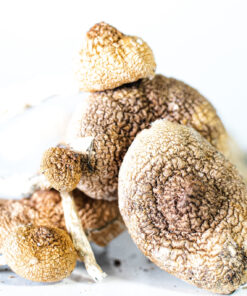
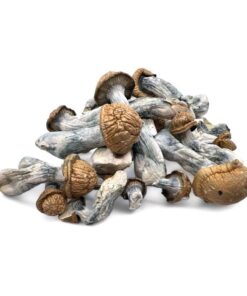
To define mushroom, a mushroom is the visible fruiting body produced by certain fungi. Its primary purpose is reproduction through the release of microscopic spores. The mushroom itself is only one part of a much larger organism, most of which exists underground or inside decaying wood as a network of thread-like structures called mycelium.
A common question is fungus nutrition. Unlike plants, fungi do not produce their own food through photosynthesis. Instead, fungi absorb nutrients from their surroundings after releasing enzymes that break down organic material into smaller molecules that can be absorbed.
How Do Fungi Acquire Nutrients?
Many readers ask how do fungi acquire nutrients or how does fungi get energy. Fungi obtain energy by decomposing dead plant material, wood, leaves, and other organic matter. Some species also form mutually beneficial relationships with trees and plants, exchanging minerals and water for sugars produced during photosynthesis. Others live as parasites on living organisms or as harmless partners within natural ecosystems.
People also wonder what do fungi need to live. Like most living organisms, fungi require moisture, suitable temperatures, oxygen, and an appropriate food source. Environmental conditions determine when fungi grow, reproduce, and produce mushrooms. Their ability to recycle nutrients makes them one of the most important groups of organisms in healthy ecosystems.
Mushroom Meaning and Symbolism
Beyond biology, many people search for what does mushrooms mean, mushroom meaning, mushroom symbolism, spiritual meaning of mushrooms, and what does a mushroom symbolize. Across many cultures, mushrooms have represented renewal, transformation, resilience, mystery, fertility, hidden knowledge, and the continuous cycle of life and decay.
The spiritual meaning of mushrooms varies widely between traditions. Some cultures associate mushrooms with personal growth and connection to nature, while others view them as symbols of adaptability because they can thrive in environments where many other organisms cannot. These interpretations come from folklore, religion, literature, and cultural history rather than scientific evidence.
Why Mushrooms Matter
From an ecological perspective, fungi are essential because they recycle nutrients, improve soil health, and support forests through complex underground networks. Without fungi, dead organic matter would accumulate, and many ecosystems would struggle to function effectively.
Studying mushroom biology also helps scientists better understand biodiversity, climate resilience, agriculture, forestry, and environmental conservation. This growing body of research continues to reveal how important fungi are to life on Earth.
Conclusion
Whether you’re researching Makilla Gorilla, learning how fungi acquire nutrients, exploring fungus nutrition, or discovering the mushroom symbolism found in cultures around the world, mushrooms remain one of nature’s most remarkable organisms. Combining scientific knowledge with an appreciation of cultural traditions provides a deeper understanding of fungi and their role in both ecosystems and human history. For more educational mushroom articles, research updates, and mycology resources, visit PsychedelicsAndShrooms.com.
For additional educational information, explore Encyclopaedia Britannica – Fungi and U.S. Forest Service – Fungi and Forest Ecosystems.
| Quantity | 14G, 28G, 1/4 LB |
|---|
Be the first to review “Makilla Gorilla”
Related products
Mushrooms
Mushrooms

Microdose Shrooms

Microdose Shrooms
Mushrooms
Mushrooms
Mushrooms


Reviews
There are no reviews yet.