
Malabar Mushrooms: An Educational Guide to Mycology and Modern Mushroom Products
The mushroom world has changed considerably in the United States. Alongside familiar culinary species such as shiitake, oyster, and button mushrooms, consumers increasingly encounter products described with terms such as mushroom gummies, mushroom chocolate bars, functional mushrooms, adaptogenic mushrooms, and “magic” mushroom products.
However, these marketing terms do not necessarily tell consumers which mushroom species or active ingredients a product actually contains.
Malabar Mushrooms provides a useful starting point for discussing an important distinction between scientific mushroom taxonomy and informal commercial terminology. Readers interested in broader fungal biology can explore additional educational material through PsychedelicsAndShrooms.com.
What Are Malabar Mushrooms?
“Malabar” is an informal name encountered within discussions surrounding certain Psilocybe cubensis varieties. It should not be confused with a formally recognized mushroom species called Psilocybe malabar.
From a mycological perspective, Psilocybe cubensis belongs to the fungal kingdom and is generally classified within the family Hymenogastraceae.
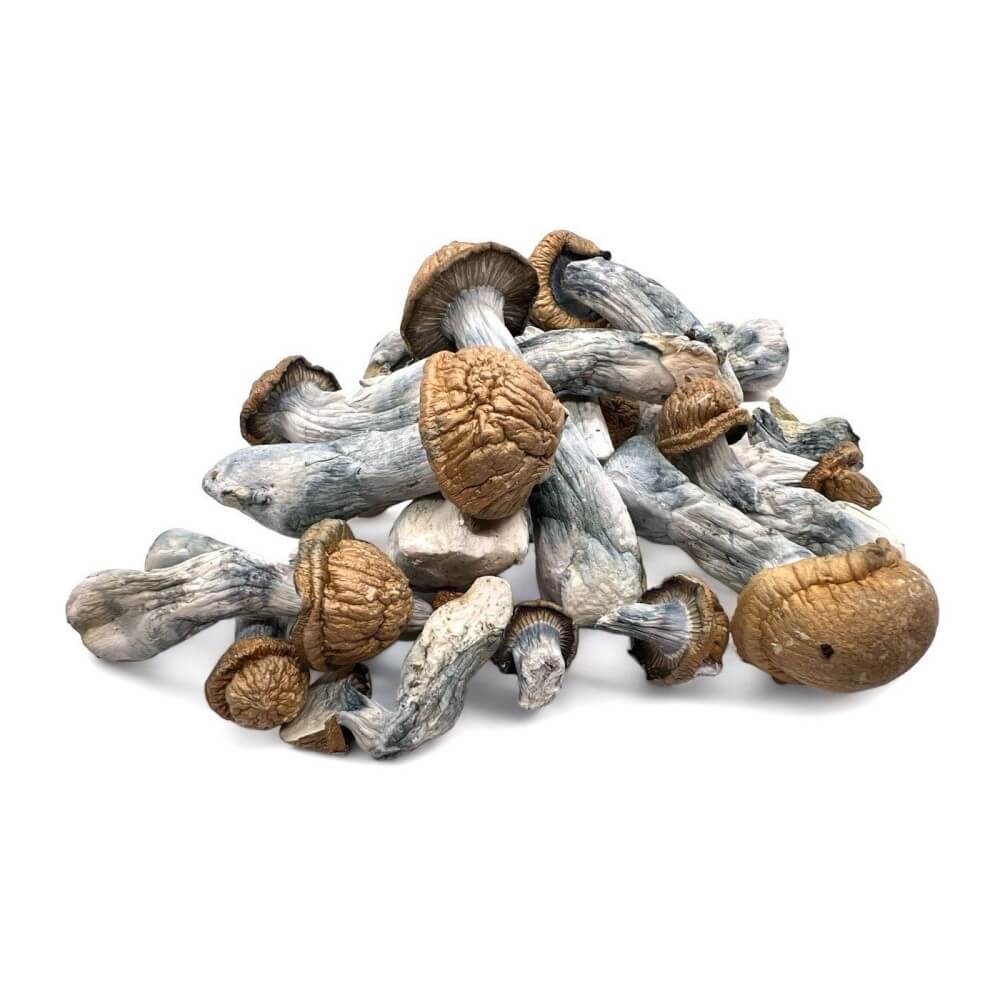
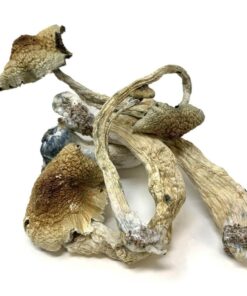
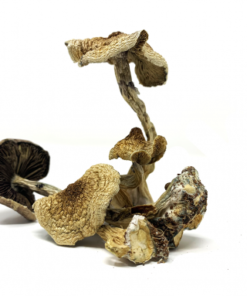
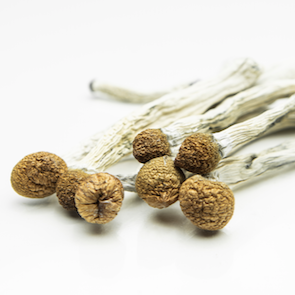
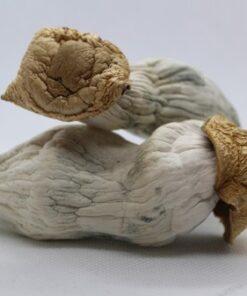
Phenotypic descriptions associated with P. cubensis generally include characteristics such as a convex cap that can become more broadly expanded with maturity, a central stem, closely arranged gills and dark purplish-brown spores.
Bluish discoloration following tissue damage is another characteristic associated with some psilocybin-containing fungi.
These characteristics are educational descriptions rather than an identification guide. Appearance alone is not sufficient for determining the identity or safety of an unknown mushroom.
Because P. cubensis contains controlled psychoactive compounds, this guide does not provide cultivation, preparation, dosage, purchasing, or consumption instructions.
Why Mushroom Names Can Be Confusing
Scientific mushroom names and commercial mushroom names serve very different purposes.
Scientific taxonomy organizes organisms according to classifications such as:
Kingdom → Phylum → Class → Order → Family → Genus → Species
Commercial terminology may instead use memorable names such as “Malabar,” “Trinity,” “magic mushroom,” or other branding.
A commercial name does not necessarily represent a scientifically distinct species.
This becomes especially important when consumers encounter mushroom chocolates and gummies.
What Are “Tre House Bars” and Similar Search Terms?
Searches for Tre House bars, Tre House shroom bar, and similar phrases generally refer to branded commercial products rather than recognized mushroom species.
From an educational perspective, the important question isn’t whether a particular commercial product is fashionable or receives positive online reviews.
The more useful questions are:
- What ingredients are actually listed?
- Are active ingredients clearly identified?
- Does the label provide meaningful quantities?
- What does “mushroom” mean in this particular product?
- Are laboratory claims independently verifiable?
- Does the marketing terminology correspond to established scientific terminology?
A package containing the word “mushroom” should not automatically be assumed to contain an identifiable mushroom species.
For broader educational explanations of mushroom terminology and fungal classification, readers can explore PsychedelicsAndShrooms.com.
Understanding “Tre House Mushroom Reviews”
Search phrases such as Tre House mushroom reviews and Tre House reviews represent consumer-review intent.
Reviews can describe someone’s subjective experience with a commercial product, but they cannot establish:
- Ingredient identity
- Purity
- Pharmacological safety
- Contaminant levels
- Medical effectiveness
- Manufacturing consistency
A large number of positive reviews therefore isn’t equivalent to scientific evidence.
Consumers should distinguish testimonial evidence from controlled scientific research.
What Does “Is Tre House Legit?” Actually Ask?
The phrase is Tre House legit can mean several different things.
Someone might be asking whether a company exists, whether its labeling is reliable, whether products contain advertised ingredients, or whether products comply with applicable regulations.
Those are separate questions.
Instead of relying exclusively on reviews, consumers researching any supplement or mushroom-branded product should examine objective information such as ingredient disclosures, manufacturer information, applicable regulatory notices, independent testing documentation, and whether health claims are supported by credible evidence.
The U.S. Food and Drug Administration provides authoritative information about food, dietary supplements, labeling, recalls, and consumer safety.
Tre House Magic Chocolate Review Searches
A Tre House magic chocolate review or Tre House mushroom chocolate bar review may appear useful when consumers want to understand a product.
However, online reviews have important limitations.
A reviewer generally cannot determine chemical composition simply by tasting a product or describing its effects.
Furthermore, words such as:
- Mushroom
- Magic
- Functional
- Botanical
- Proprietary blend
- Natural
are not substitutes for a precise ingredient list.
This distinction is particularly important for products marketed using psychedelic-adjacent language.
Mushroom Chocolate Isn’t a Mushroom Species
“Mushroom chocolate” describes a product format, not a taxonomic classification.
Chocolate products can theoretically contain many different ingredients, including culinary mushroom powders, functional mushroom extracts, flavorings, botanicals, or other substances.
Therefore, consumers shouldn’t infer chemical composition solely from branding.
Understanding “Magic Mushroom Gummies”
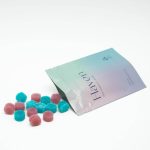
The same principle applies to terms such as Tre House magic mushroom gummies, treehouse mushroom gummies, and treehouse magic gummies.
A gummy is simply a delivery format.
The word “mushroom” on its own doesn’t establish which fungal species, extract, or chemical constituents are present.
Consumers should therefore focus on precise ingredient disclosures rather than package imagery or informal product names.
Tre House Magic Gummies Review: Reviews vs Evidence
Searches for Tre House magic gummies review illustrate another important aspect of online health literacy.
Personal experiences are inherently subjective.
Factors including individual physiology, other substances consumed, medications, serving size, and differences between product batches can make anecdotal reports difficult to generalize.
Consequently, consumer reviews shouldn’t be treated as clinical evidence or safety testing.
Mushroom Product Labels and Ingredient Transparency
When evaluating mushroom-branded products generally, consumers should examine the label carefully.
Important information can include:
- Specific mushroom species
- Scientific name
- Ingredient quantity
- Serving information
- Manufacturer identity
- Allergen information
- Lot or batch identification
- Testing documentation
- Appropriate warnings
For dietary supplements specifically, consumers can consult the FDA’s dietary supplement information for consumers to better understand how these products are regulated in the United States.
What Are Trinity Mushrooms?
Trinity mushrooms and Trinity mushroom strain are informal names encountered in discussions surrounding psychoactive mushrooms.
“Trinity” is not a separate fungal kingdom, genus, or formally recognized species.
This illustrates why common names and commercial strain terminology shouldn’t replace scientific taxonomy.
Two products using similar informal names aren’t necessarily biologically or chemically identical.
What Does “Strain” Mean in Mycology?
“Strain” is frequently used loosely in online mushroom discussions.
In microbiology and mycology, strain terminology can have a more precise meaning involving a particular genetic isolate or lineage.
Commercial communities may use “strain” much more broadly.
Therefore, a name such as “Trinity strain” shouldn’t automatically be interpreted as a formally recognized taxonomic category.
Why Scientific Names Matter
Scientific names help eliminate ambiguity.
Consider familiar culinary mushrooms:
White button, cremini, and portobello mushrooms are all forms of Agaricus bisporus.
Shiitake is Lentinula edodes.
Turkey tail is Trametes versicolor.
Lion’s Mane is Hericium erinaceus.
Scientific nomenclature allows researchers in different countries to know precisely which organism is being discussed.
Continue exploring fungal taxonomy and mushroom biology through educational resources on PsychedelicsAndShrooms.com.
Online Mushroom Reviews vs Scientific Research
Another major distinction exists between product reviews and peer-reviewed scientific literature.
A commercial review might say:
“This product worked for me.”
Scientific research instead asks questions such as:
- What compounds were present?
- How were they measured?
- What was the study design?
- Was there a control group?
- How many participants were involved?
- Were results statistically significant?
- Have other researchers reproduced them?
Readers interested in scientific mushroom literature can search the biomedical research database PubMed.
Understanding Psychoactive Mushroom Research
Psilocybin itself is an active area of legitimate scientific investigation.
Researchers have studied psychedelic compounds under carefully controlled clinical conditions for several potential psychiatric applications.
However, clinical research shouldn’t be confused with uncontrolled consumer use or commercial product marketing.
The National Institute on Drug Abuse overview of psychedelic and dissociative drugs provides evidence-based information about psychedelics, their effects, potential risks, and ongoing research.
Why “Natural” Doesn’t Automatically Mean Safe
A common misconception is that natural substances are inherently safe.
Nature contains many biologically active compounds, including substances that can cause poisoning.
Mushrooms provide particularly clear examples because some wild species are edible while others contain dangerous toxins.
Therefore, terms such as “natural mushroom blend” shouldn’t automatically be interpreted as guarantees of safety.
Why Images Aren’t Enough for Mushroom Identification
Visual identification is another potential source of confusion.
Mushrooms can change dramatically depending on:
- Age
- Moisture
- Temperature
- Habitat
- Genetics
- Lighting
- Environmental conditions
Different species can also appear remarkably similar.
For this reason, photographs, online product names, or packaging images shouldn’t be considered sufficient for identifying unknown wild fungi.
Frequently Asked Questions
What are Malabar Mushrooms?
Malabar is an informal name associated with certain discussions of Psilocybe cubensis. It isn’t a replacement for formal scientific classification.
Are Malabar and Trinity different mushroom species?
These are informal names rather than separate formally recognized species names. Scientific taxonomy provides more reliable information about fungal identity.
What are mushroom gummies?
Mushroom gummies are gummy-format products marketed with mushroom-related ingredients or terminology. Their actual composition depends on the specific ingredient list.
Does “magic mushroom gummy” tell you what’s inside?
No. Marketing terminology alone doesn’t establish a product’s chemical composition. Consumers should examine precise ingredient information and appropriate regulatory or laboratory documentation.
Are online mushroom reviews scientifically reliable?
Reviews can describe personal experiences but cannot establish product purity, safety, effectiveness, or precise chemical composition.
Is mushroom chocolate the same as eating mushrooms?
Not necessarily. “Mushroom chocolate” is a product category, and formulations can vary considerably.
What is a Trinity mushroom strain?
Trinity is an informal name encountered in psychoactive mushroom discussions rather than a separate scientifically recognized species.
Where can consumers research mushroom science?
Scientific literature can be searched through PubMed, while FDA and NIDA resources provide authoritative U.S. information concerning supplements, labeling, drugs, and consumer safety.
Conclusion
Malabar Mushrooms and Trinity mushrooms demonstrate an important challenge in modern mushroom education: commercial or informal names aren’t the same thing as scientific taxonomy.
Likewise, phrases such as mushroom chocolate, mushroom gummies, magic gummies, and shroom bars don’t automatically reveal what a product contains.
Consumers can make better-informed decisions by looking beyond branding and reviews and focusing instead on scientific species names, transparent ingredient information, independently verifiable evidence, and authoritative health information.
For additional educational articles covering mushroom taxonomy, fungal biology, and current research, continue exploring PsychedelicsAndShrooms.com.
| Quantity | 1/4 oz (7g), 1/2 oz (14g), 1 oz (28g) |
|---|
Be the first to review “Malabar Mushrooms”
Related products
Microdose Shrooms
Microdose Shrooms

Mushrooms
Mushrooms
Microdose Shrooms
Reviews
There are no reviews yet.