
Mastermind Dark Chocolate Bar: Turkey Tail Mushroom Benefits, Psilocybe Life Cycle, and Current Research
Interest in mushrooms continues to grow as scientists investigate their nutritional value, ecological importance, and potential medical applications. Mastermind Dark Chocolate Bar is a keyword often associated with broader discussions about mushroom education, functional fungi, and modern research. If you want to learn more about mushroom science, fungal biology, and current psychedelic research, explore the educational resources available at PsychedelicsAndShrooms.com.
Many readers are also interested in topics such as the benefits of turkey tail mushroom, benefits of turkey tail, Trametes versicolor benefits, Coriolus versicolor mushroom, turkey tail mushroom cancer reviews, the life cycle of Psilocybe cubensis, and questions about when to harvest mushrooms. Understanding these subjects through evidence-based information helps separate scientific knowledge from online misconceptions.
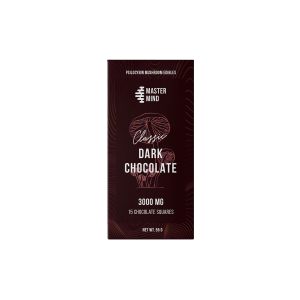
What Is Mastermind Dark Chocolate Bar?
The phrase Mastermind Dark Chocolate Bar frequently appears alongside mushroom-related discussions because of growing public interest in fungi and naturally occurring compounds. While product names may attract attention, it is important to focus on reliable scientific evidence rather than marketing claims.
Researchers continue to investigate edible and medicinal mushrooms for their nutritional composition, bioactive compounds, and potential health applications. Any product associated with mushrooms should be evaluated based on ingredient quality, transparency, and available scientific evidence rather than promotional language alone.
Turkey Tail Mushroom Benefits
One of the best-studied medicinal mushrooms is Coriolus versicolor mushroom, now more commonly classified as Trametes versicolor. Searches for benefits of turkey tail mushroom, benefits of turkey tail, and Trametes versicolor benefits have increased because researchers have identified naturally occurring polysaccharides and other compounds that are being investigated for their biological activity.
In several countries, purified compounds derived from turkey tail have been studied alongside conventional medical treatments under physician supervision. However, evidence varies depending on the specific condition being studied, and results from laboratory or early clinical research do not necessarily apply to dietary supplements sold directly to consumers.
Searches for turkey tail mushroom cancer reviews often reflect interest in this research. Current evidence suggests turkey tail continues to be an active area of scientific investigation, but it should not be viewed as a replacement for evidence-based cancer care. Anyone diagnosed with cancer should follow the guidance of qualified oncology professionals.
Understanding the Life Cycle of Psilocybe cubensis
The life cycle of Psilocybe cubensis is studied by mycologists as part of fungal biology. Like many mushrooms, it progresses through stages that include microscopic spores, underground mycelium, the formation of fruiting bodies, spore production, and natural decomposition. Understanding these stages helps researchers learn about fungal reproduction, ecology, and biodiversity.
Studying fungal life cycles also contributes to broader scientific knowledge about nutrient cycling, forest ecosystems, and the role fungi play in maintaining healthy environments.
Questions About Harvesting Psilocybin Mushrooms
Online searches frequently include phrases such as when to harvest magic mushrooms, picking psilocybin mushrooms, when to harvest psilocybin mushrooms, when to pick magic mushrooms, and when to pick psychedelic mushrooms. These searches generally reflect curiosity about mushroom biology or cultivation.
From an educational perspective, researchers study mushroom development to understand fungal reproduction and ecology. Because psilocybin-containing mushrooms are regulated under U.S. federal law, educational resources focus on taxonomy, conservation, ecology, and current clinical research rather than providing instructions for cultivating, harvesting, or obtaining regulated mushrooms.
General questions such as when to harvest mushrooms can also refer to edible culinary species, where harvest timing varies widely depending on the specific mushroom being grown. Commercial growers follow species-specific agricultural practices to ensure food quality and safety.
Continuing Mushroom Education
Mushrooms remain one of the most fascinating groups of organisms on Earth. From the nutritional potential of turkey tail mushrooms to the ecological importance of fungal life cycles, scientific research continues to expand our understanding of these remarkable organisms. Learning from reputable educational sources helps readers stay informed while supporting safe and responsible exploration of mycology.
For more educational articles about mushrooms, functional fungi, and current scientific research, visit PsychedelicsAndShrooms.com.
For additional educational information, explore National Cancer Institute for cancer research information and National Center for Complementary and Integrative Health (NCCIH) for evidence-based information on complementary health approaches.
Be the first to review “Mastermind Dark Chocolate Bar”
Related products
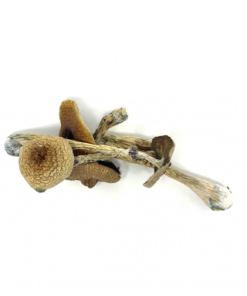
Mushrooms
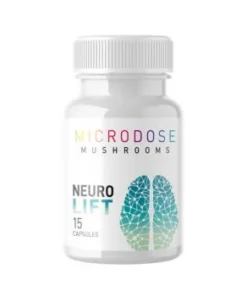
Microdose Shrooms

Microdose Shrooms
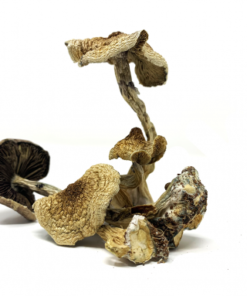
Mushrooms
Microdose Shrooms
Mushrooms


Reviews
There are no reviews yet.