Medicinal Mushroom For Pets: Supplements, Powders, Dogs & Mushroom Safety
What Is a Medicinal Mushroom For Pets?
Medicinal Mushroom For Pets describes a growing category of mushroom-derived products marketed for dogs, cats, and other companion animals.
These products may contain ingredients derived from mushrooms such as turkey tail, lion’s mane, reishi, maitake, shiitake, or Cordyceps. Depending on the manufacturer, they can appear as powders, chews, liquids, capsules, food toppers, or multi-mushroom blends.
However, the word medicinal deserves careful interpretation.
A mushroom product marketed for pets isn’t automatically an approved veterinary medicine. In the United States, FDA explains that the special dietary-supplement framework established for people doesn’t apply to products for animals in the same way. Instead, products intended for animals can fall under animal-food or animal-drug rules depending on their ingredients and intended use.
Therefore, pet owners should distinguish nutritional or wellness marketing from established veterinary treatment.
For broader educational mushroom information, visit PsychedelicsAndShrooms.com.
What Are Medicinal Mushrooms?
Medicinal mushrooms is a popular umbrella term for fungi investigated or traditionally used for potential biological effects.
Common examples include:
- turkey tail;
- reishi;
- maitake;
- shiitake;
- lion’s mane;
- Cordyceps; and
- other functional mushrooms.
These fungi contain complex mixtures of compounds.
For example, researchers frequently investigate fungal polysaccharides and beta-glucans. Other mushrooms contain distinctive metabolites that attract scientific attention.
Nevertheless, evidence from laboratory experiments or human research doesn’t automatically establish effectiveness in dogs.
Veterinary evidence must stand on its own.
Medicinal Mushroom Supplements for Pets
Medicinal mushroom supplements for pets can differ substantially from one another.
One product might contain a single mushroom extract.
Another might combine six or more fungi into one proprietary formula.
Meanwhile, some formulations include additional botanical ingredients.
Consequently, comparing products only by the words “mushroom supplement” doesn’t tell pet owners very much.
Instead, examine:
| Product characteristic | What to check |
|---|---|
| Species | Exact mushroom species |
| Material | Fruiting body, mycelium or both |
| Preparation | Powder or extract |
| Quantity | Clearly disclosed amount |
| Other ingredients | Full formula |
| Testing | Identity and contaminant testing |
| Batch | Lot-specific information |
| Claims | Appropriate, evidence-based wording |
| Intended species | Dog, cat or other animal |
Transparency provides a much stronger starting point than dramatic wellness claims.
Medicinal Mushroom Blend for Dogs
A medicinal mushroom blend for dogs commonly combines several functional mushrooms.
For example, a manufacturer might formulate a product around turkey tail, reishi, maitake, shiitake, or other fungi.
However, combining multiple ingredients doesn’t automatically make a product more effective.
In fact, multi-ingredient formulations can make scientific evaluation harder.
If a dog experiences a benefit or adverse reaction, determining which ingredient contributed can become difficult.
Furthermore, a clinical study examining one standardized mushroom preparation doesn’t automatically validate a completely different multi-mushroom blend.
Therefore, formulation-specific evidence matters.
Are Mushroom Supplements Proven to Treat Dogs?
Evidence varies considerably by mushroom, preparation, condition, and study design.
Veterinary complementary medicine remains an active research area, and recent reviews continue to emphasize the need for rigorous evaluation of clinical effectiveness.
Consequently, mushroom products shouldn’t replace established veterinary diagnosis and treatment merely because a fungal ingredient has promising laboratory research.
A dog with persistent symptoms needs appropriate veterinary assessment.
Medicinal Mushroom Powder
Medicinal mushroom powder usually contains dried and milled fungal material.
However, powder isn’t necessarily the same as an extract.
A powder may contain a broad range of naturally occurring fungal constituents.
By contrast, an extraction process can change the relative concentration of selected compounds.
Therefore, comparing two products simply by milligrams can be misleading.
For example:
500mg mushroom powder ≠ automatically 500mg mushroom extract.
The manufacturing process matters.
Fruiting Body vs. Mycelium
Pet mushroom products may also identify the fungal material as fruiting body or mycelium.
The fruiting body is the familiar mushroom structure.
Mycelium, meanwhile, consists of networks of fungal hyphae.
Both represent legitimate parts of fungal biology, but they can differ chemically.
Therefore, transparent manufacturers should clearly state which material they use rather than relying on vague phrases such as “premium mushroom complex.”
Beta-Glucans in Mushroom Products
Beta-glucans represent a group of polysaccharides commonly discussed in functional-mushroom research.
Some manufacturers report beta-glucan content because it can provide additional information about a fungal ingredient.
However, beta-glucan content doesn’t automatically prove a particular clinical benefit for a dog.
Researchers still need appropriate veterinary studies to determine whether a particular formulation improves a defined health outcome.
Therefore, analytical composition and clinical effectiveness should remain separate questions.
Where to Buy Medicinal Mushrooms
Searches for where to buy medicinal mushrooms, where can I buy medicinal mushrooms, and buy medicinal mushrooms can refer to ordinary legal functional-mushroom products.
For pet products, purchasing decisions should prioritize quality rather than dramatic advertising.
Look for manufacturers that disclose:
- exact mushroom species;
- complete ingredient lists;
- intended animal species;
- manufacturing information;
- batch identification;
- storage instructions;
- contaminant testing; and
- contact information.
Moreover, ask a veterinarian before using a concentrated mushroom product for a pet with an existing medical condition or one taking medication.
Don’t Assume a Human Supplement Is Appropriate for a Dog
A human mushroom supplement shouldn’t automatically be given to a pet.
The mushroom itself isn’t the only concern.
Human products can contain additional ingredients, flavorings, sweeteners, chocolate, caffeine, botanicals, or other compounds inappropriate for animals.
Furthermore, animal dosing cannot safely be inferred by simply reducing a human serving according to body weight.
Veterinary pharmacology can differ substantially.
Therefore, use products only with appropriate veterinary guidance.
Medicinal Mushrooms vs. Magic Mushrooms
This distinction is especially important.
Functional mushrooms such as turkey tail and lion’s mane aren’t equivalent to psilocybin-containing mushrooms.
Likewise, a medicinal mushroom blend for dogs shouldn’t contain psychedelic mushrooms simply because both categories involve fungi.
ASPCA specifically warns that mushrooms with psychoactive properties, including magic mushrooms and mushroom edibles, are a concern when pets ingest them.
Therefore, never interpret human psychedelic research as evidence that psilocybin is an appropriate home treatment for a pet.
Where Is Medical Magic Mushrooms Legal?
The search phrase where is medical magic mushrooms legal usually refers to human psychedelic policy rather than veterinary medicine.
In the United States, psilocybin remains a Schedule I controlled substance under federal law.
At the same time, some jurisdictions have developed state or local psychedelic frameworks.
However, several concepts must remain separate:
decriminalization isn’t the same as legalization;
regulated services aren’t necessarily ordinary retail sales;
and a human psychedelic program doesn’t establish veterinary approval.
Therefore, the existence of a regulated human program shouldn’t be interpreted as authorization to administer psilocybin to pets.
Are Magic Mushrooms Veterinary Medicine?
Pet owners should not treat magic mushrooms as veterinary medicine.
Psilocybin research involving humans has generated considerable scientific attention.
Nevertheless, evidence from controlled human research doesn’t automatically translate to dogs or cats.
Different species can metabolize substances differently.
Additionally, the FDA explains that products intended to diagnose, cure, mitigate, treat, or prevent disease in animals can meet the regulatory definition of animal drugs.
Consequently, psychedelic mushrooms shouldn’t be improvised as pet therapy.
How Are Hallucinogens Consumed?
The phrase how are hallucinogens consumed is best answered at a general educational level.
Hallucinogenic substances can exist in different pharmaceutical, botanical, fungal, or synthetic forms, and exposure routes vary by substance.
Psilocybin-associated exposures often involve mushroom material or products represented as mushroom edibles.
However, this article doesn’t provide preparation methods, recipes, dosing instructions, or instructions for administering hallucinogens to people or animals.
For pets, accidental ingestion is the major safety issue.
ASPCA notes that psychoactive mushroom products can pose a concern to animals and recommends contacting a veterinarian or poison-control professional after such an exposure.
Magic Mushroom Comedown
Magic mushroom comedown generally describes the period when acute psychedelic effects diminish after psilocybin exposure.
Human users may describe changes in mood, fatigue, emotional sensitivity, or residual psychological effects.
However, this terminology shouldn’t be applied casually to pets.
An animal showing abnormal behavior after mushroom ingestion may be experiencing poisoning.
Waiting for a supposed “comedown” could delay veterinary care.
Therefore, unusual neurological or gastrointestinal symptoms after a pet eats an unknown mushroom warrant professional advice.
Signs of Mushroom Poisoning in Pets
Mushroom poisoning can affect several organ systems.
Veterinary literature documents gastrointestinal, neurological, liver, kidney, and muscarinic mushroom toxicities in dogs and cats.
Possible warning signs include:
- vomiting;
- diarrhea;
- excessive drooling;
- unusual agitation;
- tremors;
- unsteadiness;
- severe lethargy;
- seizures;
- breathing abnormalities; or
- altered consciousness.
Certain toxic mushrooms can also cause severe liver or kidney injury.
Therefore, symptoms shouldn’t be dismissed simply because the mushroom looked harmless.
What If a Dog Eats a Wild Mushroom?
Treat an unidentified wild mushroom as potentially concerning.
ASPCA recommends promptly contacting a veterinarian or its Animal Poison Control Center when a pet has potentially consumed a toxic mushroom. It also notes that mushroom identification can be difficult and recommends relying on trained experts.
Preserve useful information when possible.
Photographs of the mushroom, its surroundings, remaining specimens, packaging, and information about when the exposure occurred can help professionals assess the situation.
Don’t wait for severe symptoms before seeking advice.
Grocery-Store Mushrooms Are Different
Ordinary culinary mushrooms shouldn’t automatically be grouped with toxic wild mushrooms.
ASPCA states that mushrooms sold in grocery stores for human consumption are generally considered safe for pets and aren’t expected to cause adverse effects when ingested.
Nevertheless, a finished human dish may contain other problematic ingredients.
For example, sauces, seasonings, or other recipe components may create separate pet-safety issues.
Therefore, the complete food matters.
Liquid Culture Medium
The supporting phrase liquid culture medium belongs primarily to mycology rather than pet supplementation.
In microbiology and fungal research, a liquid medium provides nutrients that can support growth of an appropriate organism under controlled conditions.
Researchers and commercial growers use culture methods across numerous lawful fungal applications.
However, liquid culture shouldn’t be confused with a medicinal mushroom supplement.
A laboratory or cultivation medium isn’t automatically appropriate for consumption by either humans or animals.
Mushroom Growing Medium
A mushroom growing medium or mushroom grow media broadly describes material capable of supporting fungal growth.
Different fungi use different nutrient sources.
Commercial edible-mushroom cultivation can involve agricultural materials, wood-derived substrates, or other species-appropriate media.
Therefore, the word medium describes a biological growth environment rather than a medicine.
That distinction matters when consumers encounter technical mycology terminology on product pages.
Mushroom Medium vs. Mushroom Supplement
These phrases sound similar but describe very different concepts.
| Term | General meaning |
|---|---|
| Mushroom medium | Material/environment supporting fungal growth |
| Liquid culture medium | Nutrient-containing liquid used in culture work |
| Mushroom powder | Dried, milled fungal material |
| Mushroom extract | Processed fungal preparation |
| Mushroom blend | Combination of mushroom ingredients |
| Pet mushroom product | Finished formulation intended for an animal |
Consequently, cultivation terminology shouldn’t be interpreted as evidence of veterinary benefit.
Legal Culinary Mushroom Cultivation
People interested in mushroom-growing science can study legal culinary species.
Oyster mushrooms, lion’s mane, and shiitake provide excellent examples of fungal life cycles, mycelium, substrates, and fruiting bodies.
These species also help explain the relationship between growing medium and the final mushroom.
However, cultivation information doesn’t establish whether a concentrated finished product is appropriate for a particular dog.
Those are separate questions.
How to Evaluate a Medicinal Mushroom Blend for Dogs
Start with the species.
A label saying simply “mushroom blend” provides limited information.
Next, examine the amount of each ingredient.
Then, determine whether the manufacturer identifies the fungal material and preparation.
Also consider:
- Is the product specifically formulated for animals?
- Does the company identify each mushroom?
- Are quantities transparent?
- Is meaningful batch testing available?
- Does the company make exaggerated disease-cure claims?
- Does your veterinarian consider the formulation appropriate for your pet?
This process provides a stronger foundation than customer testimonials alone.
Be Careful With Cancer Claims
Turkey tail and other mushrooms often appear in discussions surrounding cancer.
However, evidence from cell studies, human studies, or studies of specific standardized preparations shouldn’t automatically become a claim that an ordinary pet powder treats canine cancer.
Cancer requires veterinary diagnosis.
Furthermore, delaying established treatment in favor of an unproven supplement can carry substantial consequences.
A veterinarian, particularly a veterinary oncologist when appropriate, can help owners understand where complementary products may or may not fit into a treatment plan.
Supplements Shouldn’t Replace Diagnosis
A dog that becomes tired, loses weight, stops eating, coughs, vomits repeatedly, develops a lump, or behaves differently doesn’t necessarily need a mushroom supplement.
It needs an explanation for the symptoms.
Many unrelated diseases can produce similar signs.
Therefore, supplementation should never become a substitute for diagnosis.
Medication Interactions Matter
Natural products can still interact with medicines.
Furthermore, a multi-mushroom formula contains many compounds rather than one isolated chemical.
This complexity can make interaction assessment difficult.
Consequently, tell the veterinarian about every supplement the pet receives, including mushroom powders, chews, oils, botanicals, and human products.
That information becomes particularly important when an animal receives long-term medication or undergoes surgery.
“Natural” Doesn’t Mean Automatically Safe
Mushrooms demonstrate this principle perfectly.
Some are valuable foods.
Others contain biologically interesting compounds.
Meanwhile, certain wild mushrooms can cause severe organ damage or death.
Veterinary literature documents potentially serious liver, neurological, gastrointestinal, kidney, and muscarinic toxicities following mushroom ingestion.
Therefore, natural origin isn’t a substitute for toxicological evidence.
Medicinal Mushroom For Pets: Quality Matters
A high-quality Medicinal Mushroom For Pets article or product review should avoid promising miracles.
Instead, it should distinguish:
traditional use from clinical evidence;
laboratory findings from veterinary outcomes;
human research from canine research;
and functional mushrooms from psychedelic mushrooms.
These distinctions help pet owners make better-informed decisions.
They also prevent the growing popularity of functional mushrooms from creating unrealistic expectations.
Frequently Asked Questions
1. What is a medicinal mushroom for pets?
The phrase generally describes mushroom-derived products marketed for animal wellness. These may contain functional mushrooms such as turkey tail, reishi, maitake, lion’s mane, or Cordyceps. However, marketing terminology doesn’t automatically establish veterinary effectiveness.
2. Are medicinal mushroom supplements safe for dogs?
Safety depends on the species, formulation, other ingredients, the dog’s health, medications, and product quality. A veterinarian should evaluate concentrated supplements for animals with medical conditions or ongoing medication.
3. What is a medicinal mushroom blend for dogs?
It is generally a formulation combining several mushroom-derived ingredients. More ingredients don’t automatically mean better results, and evidence for one mushroom preparation doesn’t automatically validate a multi-mushroom product.
4. Can dogs consume magic mushrooms?
Psychoactive mushrooms are a poisoning concern for pets. ASPCA recommends seeking veterinary or poison-control advice following exposure rather than waiting to see whether symptoms disappear.
5. What is mushroom growing medium?
A growing medium provides an environment and nutrients that support fungal growth. It belongs to cultivation and mycology terminology and shouldn’t be confused with a finished mushroom supplement.
6. Where can I buy medicinal mushrooms for pets?
Rather than selecting products solely by retailer or popularity, prioritize animal-specific formulations with transparent species identification, ingredients, batch information, credible quality testing, and veterinary guidance when appropriate.
Educational Resources
For additional educational material about functional mushrooms, mushroom supplements, fungal biology, and mushroom safety, explore PsychedelicsAndShrooms.com.
Pet owners can review animal-product regulatory information through the FDA’s pet food regulation guidance and mushroom poisoning information from the ASPCA mushroom safety guide. Scientific readers can also explore veterinary mushroom-poisoning research on PubMed.
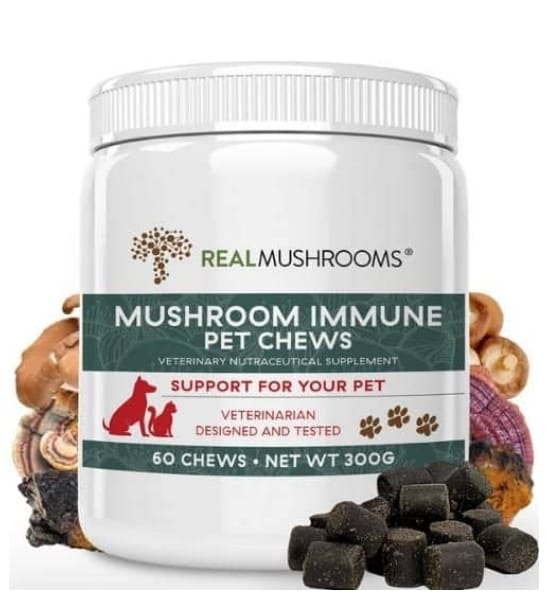
| Quantity | 60 chews, 120 chews |
|---|
Be the first to review “Medicinal Mushroom For Pets”
Related products
Mushroom Capsule
Mushroom Capsule
Mushroom Capsule
Mushroom Capsule
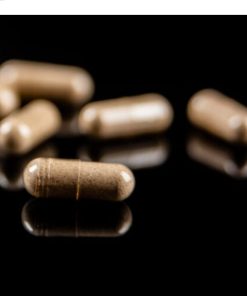
Mushroom Capsule
Mushroom Capsule
Microdose Shrooms
Mushroom Capsule
Reviews
There are no reviews yet.