
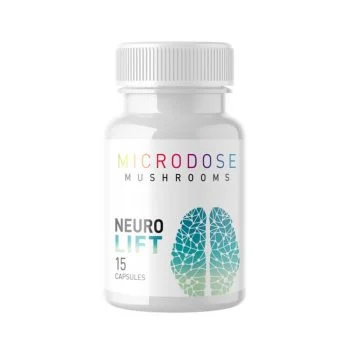


Neuro Lift: Product Claims, Opioid Pinpoint Pupils, Dependence, Addiction Symptoms and Treatment
Introduction
Neuro Lift is a broad product-style name that may be used for supplements or wellness products marketed around cognition, mood, energy, or neurological support. I could not verify from the name alone a standardized FDA-approved medication with a single established formulation called Neuro Lift. Therefore, its ingredients, dosage, benefits, and safety should be determined from the exact product label rather than inferred from the name.
Searches surrounding Neuro Lift also overlap with important public-health questions about opiate pinpoint pupils, pupils on oxycodone, opioid addiction, signs that someone is on opiates, opioid dependence, opioid addiction symptoms, opioid use disorder symptoms, signs of opioid addiction, opioid abuse, opioid abuse treatment, signs of opioids abuse, opioid dependence symptoms, and why opioids are addictive.
These terms deserve careful medical explanation. Pinpoint pupils can occur with opioid exposure, but pupil size alone cannot diagnose opioid use disorder. Addiction is identified from a broader pattern of behavior, symptoms, and impairment—not someone’s eyes alone.
What Is Neuro Lift?
The name Neuro Lift by itself does not provide enough information to establish a product’s pharmacology.
Products marketed for “brain,” “neuro,” “focus,” or “mood” support may contain very different ingredients. Depending on the specific manufacturer, these could potentially include vitamins, minerals, botanical extracts, amino acids, mushroom-derived ingredients, or other compounds.
For an educational assessment, the relevant questions are:
- What are the active ingredients?
- How much of each ingredient is present?
- Are laboratory-testing results available?
- What clinical evidence supports the claims?
- Are there medication interactions?
- Is it a supplement or an approved medication?
A supplement name should never be treated as proof that the product prevents or treats a neurological or psychiatric condition.
What Are Opiate Pinpoint Pupils?
Opiate pinpoint pupils refers to miosis, the medical term for unusually constricted pupils.
Opioid exposure can cause constricted pupils. MedlinePlus lists abnormally small pupils among common signs of opioid use, alongside sleepiness, skin changes, personality changes, social withdrawal, and neglect of responsibilities.
However, pinpoint pupils do not automatically mean someone has taken an opioid.
Pupil size can also be influenced by lighting, medications, neurological conditions, and other physiological factors.
The surrounding clinical picture matters.
What Do Pupils on Oxycodone Look Like?
Oxycodone is an opioid and can produce pupil constriction.
MedlinePlus specifically identifies narrowing or widening of the pupils among possible findings during oxycodone overdose and emphasizes more important warning signs such as difficulty breathing, excessive sleepiness, inability to awaken, and cold or clammy skin.
Therefore, pupils on oxycodone cannot reliably tell you:
- how much oxycodone someone took;
- whether it was prescribed;
- whether addiction is present;
- whether another substance was involved;
- whether the person is experiencing an overdose.
Pupil appearance is only one possible observation.
Pinpoint Pupils and Opioid Overdose
Pinpoint pupils become much more concerning when they appear together with impaired consciousness and abnormal breathing.
MedlinePlus identifies three especially recognizable opioid-overdose findings: very small pupils, loss of consciousness or inability to remain awake, and slow or shallow breathing. Choking or gurgling sounds and pale, blue, or cold skin can also occur.
An overdose should therefore never be assessed according to pupil size alone.
Breathing and responsiveness are critical.
Signs That Someone Is on Opiates
There is no single appearance that proves someone has used opioids.
Possible signs of opioid exposure described by MedlinePlus include:
- constricted pupils;
- difficulty staying awake;
- inappropriate sleepiness;
- flushed or itchy skin;
- personality changes;
- social withdrawal;
- neglect of responsibilities.
Some of these signs are nonspecific and can occur for many other reasons.
Someone who is simply tired, withdrawn, or has small pupils should not automatically be accused of opioid misuse.
Clinical assessment and, when appropriate, toxicology testing provide much stronger evidence.
What Is Opioid Dependence?
Opioid dependence refers to physiological adaptation following repeated opioid exposure.
When physical dependence develops, suddenly stopping the opioid can produce withdrawal.
MedlinePlus describes possible withdrawal findings including enlarged pupils, yawning, increased heart rate and blood pressure, nausea, vomiting, and involuntary leg movements.
Importantly:
physical dependence is not automatically addiction.
Someone receiving a prescription opioid appropriately for a medical condition can develop physical dependence.
Opioid use disorder involves a broader pattern of problematic use and impairment.
Opioid Dependence Symptoms
When regular opioid exposure stops or decreases substantially, withdrawal symptoms can emerge.
A 2026 JAMA review describes opioid withdrawal symptoms including:
- anxiety;
- insomnia;
- pain;
- nausea;
- vomiting;
- diarrhea.
Withdrawal can be intensely uncomfortable and can contribute to continued opioid use.
People with substantial opioid dependence can benefit from medical assessment rather than trying to determine treatment solely from internet information.
Sources and Further Reading
For reliable information about opioids, dependence, overdose, and treatment, readers can consult:
MedlinePlus — Opioids and Opioid Use Disorder explains opioid effects, dependence, overdose, and opioid use disorder.
MedlinePlus — Opioid Testing and Signs of Misuse explains signs associated with opioid exposure, misuse, and withdrawal, including constricted pupils.
PubMed — Medications for Opioid Use Disorder, Withdrawal, and Overdose is a 2026 JAMA review covering opioid use disorder, withdrawal, naloxone, methadone, buprenorphine, and naltrexone.
Readers can also explore Psychedelics and Shrooms — Educational Resources for broader educational material about prescription and psychoactive substances.
What Is Opioid Addiction?
Opioid addiction is commonly discussed clinically as opioid use disorder, or OUD.
A 2026 JAMA review describes OUD as involving compulsive opioid use that produces significant distress or impairment at home, work, or school.
Opioids involved can include prescription medicines such as oxycodone and hydrocodone as well as illicit opioids.
The presence of a legitimate prescription does not automatically mean someone has OUD.
Likewise, physical dependence resulting from prescribed treatment should not automatically be labeled addiction.
Why Are Opioids Addictive?
The question why are opioids addictive involves the brain’s reward and reinforcement systems.
Opioids activate opioid receptors, particularly mu-opioid receptors. Beyond their analgesic effects, opioid activity can influence reward pathways and reinforce repeated drug-taking behavior.
Repeated exposure can also produce physiological adaptations involving tolerance and dependence.
A scientific review of opioid addiction describes opioid use disorder as involving complex neurobiological mechanisms and discusses medications that act on opioid receptors—including methadone, buprenorphine, naltrexone, and the overdose-reversal medication naloxone.
Addiction therefore cannot be reduced simply to a lack of willpower.
Opioid Addiction Symptoms
Opioid addiction symptoms involve patterns of behavior and consequences rather than a single physical sign.
Possible warning patterns can include:
- difficulty controlling opioid use;
- continued use despite harmful consequences;
- substantial time devoted to obtaining, using, or recovering from opioids;
- cravings;
- problems fulfilling responsibilities;
- continued use despite social or interpersonal problems;
- risky opioid use.
The severity and combination of symptoms matter.
A healthcare professional can distinguish opioid use disorder from expected physical dependence during legitimate medical treatment.
Signs of Opioid Addiction vs. Side Effects
This distinction is particularly important for educational content.
A person taking a prescribed opioid may experience:
drowsiness, constipation, nausea, or constricted pupils.
Those effects alone do not prove addiction.
MedlinePlus lists drowsiness, mental fog, nausea, constipation, and slowed breathing among opioid effects and risks.
Addiction involves a problematic behavioral pattern, not simply experiencing a pharmacological side effect.
What Is Opioid Abuse?
Opioid abuse remains a common search phrase, although contemporary healthcare language increasingly favors terms such as opioid misuse and opioid use disorder.
Misuse can include taking prescription medication differently from the prescribed instructions or taking medication that was prescribed for another person.
However, not every episode of misuse means the individual meets diagnostic criteria for OUD.
Clinical evaluation considers the overall pattern, duration, consequences, and level of impairment.
Signs of Opioid Abuse
Possible signs of opioids abuse or misuse can include behavioral changes alongside physical findings.
MedlinePlus notes that clinicians may consider behaviors such as repeatedly requesting early refills or higher doses together with findings such as constricted pupils, inappropriate sleepiness, social withdrawal, and neglected responsibilities.
These indicators should be interpreted carefully.
For example, requesting a medication adjustment does not by itself establish addiction. Patients with inadequately treated pain may legitimately discuss medication effectiveness with their clinician.
Context matters.
Opioid Use Disorder Symptoms and Daily Life
One of the clearest distinctions between simple opioid exposure and OUD is functional impairment.
Problematic opioid use can interfere with:
- work;
- school;
- relationships;
- financial stability;
- physical health;
- responsibilities;
- emotional well-being.
The 2026 JAMA review describes OUD specifically in terms of compulsive opioid use producing substantial distress or impairment.
This is much more informative than trying to diagnose addiction from someone’s pupils.
What Is Opioid Abuse Treatment?
Opioid abuse treatment, more accurately described as treatment for opioid use disorder, can include medications and behavioral or psychosocial support.
Medication treatment is particularly important.
Current evidence supports three FDA-approved medications for OUD:
buprenorphine, methadone, and naltrexone.
A 2025 review describes methadone and buprenorphine as established first-line pharmacological approaches for many patients with OUD.
Treatment should be individualized according to clinical circumstances and patient preferences.
Does Medication Treatment Actually Work?
Yes.
A major 2026 JAMA review reports that methadone and buprenorphine reduce both overdose mortality and all-cause mortality among people with opioid use disorder.
That finding is important because medication treatment is sometimes incorrectly characterized as merely “replacing one drug with another.”
These medications are evidence-based medical treatments used to reduce uncontrolled opioid use and its consequences.
Treatment can also incorporate counseling, behavioral healthcare, recovery support, and management of co-occurring conditions.
What Is Buprenorphine?
Buprenorphine is a medication used in opioid use disorder treatment.
It acts as a partial agonist at the mu-opioid receptor and can reduce withdrawal symptoms and cravings when used appropriately.
Recent research continues to evaluate different approaches to starting and maintaining buprenorphine, particularly as highly potent synthetic opioids have changed the clinical environment.
Treatment initiation should be guided by appropriate medical care because timing and previous opioid exposure matter.
What Is Methadone?
Methadone is another evidence-based medication for OUD.
It is a full opioid agonist used in carefully regulated treatment settings in the United States.
The 2026 JAMA review notes that U.S. outpatients receiving methadone for OUD obtain it through federally regulated treatment programs, whereas buprenorphine and naltrexone can be prescribed in office-based settings.
Methadone treatment can reduce illicit opioid use and mortality when appropriately managed.
What Is Naltrexone?
Naltrexone works differently.
Rather than activating opioid receptors, it blocks them.
Because of its pharmacology, a person generally needs to be free from opioids before beginning naltrexone treatment; otherwise, significant withdrawal problems can occur.
Treatment selection should therefore be individualized rather than assuming one medication is best for everyone.
Naloxone and Opioid Overdose
Naloxone is different from long-term OUD treatment medications.
It is an opioid antagonist used to reverse opioid overdose.
A 2026 review reports that wider community distribution of naloxone to people using opioids and their social networks has been associated with 25% to 46% lower community opioid-overdose rates.
Naloxone does not replace longer-term treatment for opioid use disorder, but it can save a life during an overdose.
Frequently Asked Questions
1. What is Neuro Lift?
Neuro Lift is a broad product-style name. Its exact ingredients and evidence depend on the specific manufacturer and formulation, so the label needs to be verified before making health claims.
2. Do opioids cause pinpoint pupils?
Yes. Opioids commonly cause constricted or abnormally small pupils.
3. What do pupils on oxycodone look like?
Oxycodone can cause pupil constriction, but pupil size varies and cannot determine dose, addiction, or whether an overdose has occurred.
4. Are pinpoint pupils always caused by opioids?
No. Other medications, lighting conditions, and medical problems can affect pupil size.
5. What are the major signs of opioid overdose?
Very small pupils combined with extreme sleepiness or unconsciousness and slow or shallow breathing are particularly concerning.
6. What are signs that someone is on opiates?
Possible signs include constricted pupils, drowsiness, itching, personality changes, and social withdrawal, but none proves opioid use by itself.
7. What is opioid dependence?
It is physiological adaptation to repeated opioid exposure that can result in withdrawal when opioid exposure stops.
8. Is opioid dependence the same as addiction?
No. Physical dependence can develop during appropriate medical treatment without necessarily constituting opioid use disorder.
9. What are opioid addiction symptoms?
Symptoms involve problematic or compulsive opioid use and resulting distress or impairment, rather than one physical sign such as small pupils.
10. Why are opioids addictive?
Opioids affect mu-opioid receptors and neural systems involved in pain, reward, reinforcement, tolerance, and dependence.
11. What is opioid abuse treatment?
Modern treatment for opioid use disorder can include buprenorphine, methadone, or naltrexone alongside appropriate behavioral and recovery support.
12. Does opioid addiction treatment work?
Yes. Evidence shows that methadone and buprenorphine reduce overdose and all-cause mortality in people with OUD.
13. What are opioid dependence symptoms?
Withdrawal can involve anxiety, insomnia, pain, nausea, vomiting, diarrhea, enlarged pupils, and other symptoms.
14. Can someone have opioid use disorder while taking prescription opioids?
Yes, but taking a prescribed opioid does not automatically mean someone has OUD. Diagnosis depends on the broader pattern of problematic use and impairment.
15. Can pupil size diagnose opioid addiction?
No. Pupil constriction can indicate opioid exposure, but opioid addiction requires assessment of behavior, symptoms, and functional consequences.
Responsible Opioid Education
The supporting searches surrounding Neuro Lift illustrate an important difference between recognizing opioid effects and diagnosing addiction.
Opiate pinpoint pupils and pupils on oxycodone can occur because opioids cause miosis. But small pupils do not prove that someone has opioid addiction. MedlinePlus identifies several other possible signs of opioid exposure and misuse, while OUD itself involves a much broader pattern of compulsive use and impairment.
Treatment is also substantially more evidence-based than the older term “opioid abuse treatment” sometimes suggests. Buprenorphine, methadone, and naltrexone are established medications for opioid use disorder, and recent evidence confirms important mortality benefits from methadone and buprenorphine.
Public education should therefore avoid labeling someone an “addict” because of their appearance. Recognizing dangerous respiratory depression, understanding dependence and OUD, and connecting people with evidence-based treatment are more medically useful approaches.
| Quantity | 5 Capsules, 25 Capsules |
|---|
Be the first to review “Neuro Lift”
Related products
Microdose Shrooms


Mushrooms
Microdose Shrooms



Microdose Shrooms

Mushrooms


Mushrooms
Reviews
There are no reviews yet.