

Neuro Ultra (400MG): Methamphetamine Facts, Prescription Meth, ADHD Use, Addiction Treatment and Safety
Introduction
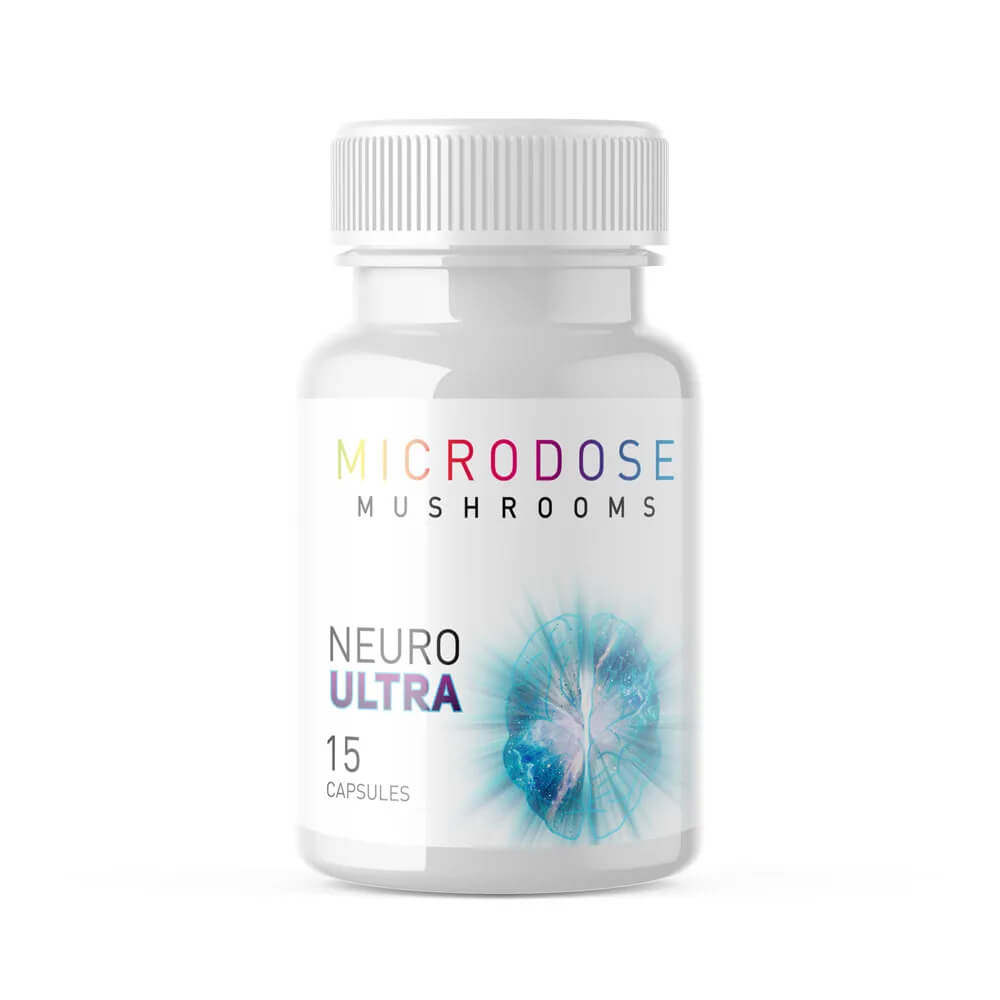
Neuro Ultra (400MG) is a product-style name that may appear in supplement, mushroom, cognitive-support, or wellness markets. I could not verify an FDA-approved prescription medicine with a standardized formulation under this exact name and strength. For that reason, the 400MG figure should not automatically be interpreted as the amount of a specific active neurological or psychoactive ingredient. The exact manufacturer label, ingredient panel, serving size, and independent testing information are necessary before making claims about what the product contains or what it can treat.
Searches surrounding Neuro Ultra (400MG) also overlap with questions about treating meth addiction, meth pills, meth powder, meth vs crystal meth, methamphetamine pills, prescription meth, ice meth, prescription methamphetamine, prescribed meth, meth for ADHD, methamphetamine ADHD, methamphetamine hydrochloride, and forms of meth.
These terms require careful distinctions. Methamphetamine exists both as an illicit stimulant and, much more rarely, as a regulated prescription medication. Current U.S. labeling for Desoxyn (methamphetamine hydrochloride) identifies it as a prescription central nervous system stimulant used for ADHD. That does not mean illicit methamphetamine and prescribed pharmaceutical methamphetamine are equivalent in manufacturing quality, clinical supervision, or legal status.
For broader educational discussions about psychoactive substances, readers can also explore Psychedelics and Shrooms.
What Is Neuro Ultra (400MG)?
The name Neuro Ultra (400MG) does not provide enough information by itself to determine pharmacology.
A product marketed around cognition, energy, focus, mushrooms, or neurological wellness may contain ingredients ranging from vitamins and botanical extracts to mushroom-derived ingredients or other compounds.
The word “Neuro” also does not mean that a product is an approved treatment for ADHD, stimulant use disorder, depression, multiple sclerosis, or another neurological condition.
The same principle applies to 400MG. A milligram measurement is meaningful only when the ingredient being measured is identified.
For example, 400 mg of a botanical blend is completely different from 400 mg of an isolated pharmaceutical compound. Consumers should therefore evaluate the complete label rather than interpreting the product name as a medical specification.
Is Neuro Ultra a Prescription Stimulant?
I could not verify Neuro Ultra (400MG) as an FDA-approved prescription stimulant.
Prescription stimulants in the United States have defined active ingredients, strengths, approved labeling, prescribing requirements, and safety warnings.
Methamphetamine hydrochloride is one example of an actual prescription stimulant. Current DailyMed information identifies Desoxyn as methamphetamine hydrochloride and states that it is a prescription central nervous system stimulant used for ADHD.
That regulatory status should not be generalized to supplements or commercial products using “neuro,” “focus,” or “energy” terminology.
What Is Methamphetamine?
Methamphetamine is a powerful central nervous system stimulant.
The National Institute on Drug Abuse reports that methamphetamine can produce increased wakefulness, physical activity, energy, and euphoria while also carrying serious cardiovascular, psychiatric, neurological, and addiction risks.
Methamphetamine increases activity in brain systems involving neurotransmitters such as dopamine.
Its ability to strongly affect reward pathways contributes to its high misuse and dependence potential.
Methamphetamine is therefore not simply a stronger version of caffeine or an ordinary “focus drug.”
Meth vs Crystal Meth: What Is the Difference?
The phrases meth and crystal meth are related but not always identical in everyday usage.
“Meth” is a broad informal abbreviation for methamphetamine.
“Crystal meth” generally describes illicit methamphetamine in a crystalline form, often called ice.
The fundamental psychoactive drug is still methamphetamine, but illicit products differ enormously from pharmaceutical medication in manufacturing, purity, dose consistency, contamination risk, and medical oversight.
This is why meth vs crystal meth should not be understood as comparing two completely unrelated drugs.
Instead, crystal meth is generally one illicit physical form of methamphetamine.
What Is Ice Meth?
Ice meth is a slang term commonly used for crystalline illicit methamphetamine.
The name typically refers to clear or whitish crystals that resemble fragments of ice or glass.
Appearance does not establish chemical purity. Illicit drugs can contain unknown concentrations, contaminants, or additional psychoactive substances.
The major health risks associated with methamphetamine remain relevant regardless of whether someone refers to it as meth, crystal, ice, or another street term. NIDA describes methamphetamine as a stimulant capable of producing serious acute and long-term health effects.
What Are the Different Forms of Meth?
The search forms of meth commonly refers to differences in physical appearance or formulation.
Illicit methamphetamine may be encountered as crystalline material, powder, or tablets. Pharmaceutical methamphetamine, by contrast, is manufactured as a standardized prescription tablet under regulated production conditions.
These physical differences should not be interpreted as a guide for selecting or using illicit methamphetamine.
A tablet described as a meth pill may be especially difficult to authenticate if obtained outside a licensed pharmacy because appearance alone cannot establish its active ingredient or purity.
What Is Meth Powder?
Meth powder generally refers to powdered illicit methamphetamine.
Color, texture, or appearance cannot confirm its composition.
Illicit stimulant markets do not provide the same manufacturing controls as pharmaceutical supply chains. A powder represented as methamphetamine could vary in concentration or contain other substances.
For public-health purposes, the relevant fact is that powder, crystal, and illicit tablet forms can all carry serious stimulant toxicity and addiction risks.
What Are Meth Pills?
The phrase meth pills can describe more than one situation.
Illicitly manufactured tablets may contain methamphetamine, while a legitimate prescription methamphetamine tablet also exists.
Those two scenarios should never be confused.
A tablet obtained through a legitimate pharmacy has regulated manufacturing, labeling, and a known pharmaceutical dose. A pill obtained through an illicit source may contain unexpected ingredients and cannot be chemically authenticated through appearance alone.
The same caution applies to tablets represented online as prescription stimulants.
Sources and Further Reading
For official medication information, readers can consult DailyMed — Desoxyn Medication Guide, which identifies Desoxyn as prescription methamphetamine hydrochloride used for ADHD.
The National Institute on Drug Abuse — Methamphetamine provides evidence-based information about methamphetamine’s stimulant effects, addiction risks, and health consequences.
For treatment research, PubMed — Contingency Management for Methamphetamine Use Disorder reviews 27 studies and concludes that contingency management is among the most effective interventions for reducing methamphetamine use.
SAMHSA’s Treatment of Stimulant Use Disorders provides clinical guidance for stimulant use disorder treatment, while newer SAMHSA guidance continues to highlight contingency management as particularly effective for stimulant use disorders.
For additional educational material about medications and psychoactive substances, readers can explore Psychedelics and Shrooms — Medication Education.
Does Prescription Meth Exist?
Yes.
Prescription methamphetamine exists in the United States, although it is much less commonly encountered than other prescription stimulants.
Desoxyn contains methamphetamine hydrochloride. Current DailyMed labeling identifies it as a central nervous system stimulant prescription medicine used for ADHD.
DailyMed also currently lists generic methamphetamine hydrochloride tablets from pharmaceutical manufacturers.
This is an important educational distinction because saying “methamphetamine has no medical use” would be inaccurate in the United States.
However, a legitimate pharmaceutical application does not make nonmedical methamphetamine use safe.
What Is Prescription Methamphetamine?
Prescription methamphetamine is pharmaceutical methamphetamine hydrochloride manufactured under controlled conditions and prescribed for an approved medical purpose.
The drug is still pharmacologically methamphetamine.
The differences involve formulation, manufacturing consistency, dosage, clinical indication, patient screening, monitoring, and legal distribution.
Current prescribing information also contains substantial warnings about misuse, addiction, cardiovascular effects, and psychiatric adverse reactions.
Therefore, the phrase prescribed meth should not be used to minimize methamphetamine’s risks.
What Is Methamphetamine Hydrochloride?
Methamphetamine hydrochloride is a salt form of methamphetamine used in pharmaceutical tablets.
Drug manufacturers often formulate active compounds as salts because this can influence characteristics such as stability and formulation.
The term “hydrochloride” does not mean the medication is a different drug class from methamphetamine.
DailyMed currently lists methamphetamine hydrochloride tablets in the U.S. prescription-drug database.
Is Meth Prescribed for ADHD?
Yes, but prescription methamphetamine is not synonymous with ordinary first-line ADHD treatment.
Current Desoxyn labeling identifies ADHD as an indication for methamphetamine hydrochloride.
However, many other ADHD medications exist, including different stimulant and non-stimulant options.
Treatment selection depends on individual response, contraindications, age, cardiovascular health, psychiatric history, previous medications, misuse risk, and other clinical considerations.
Someone should not request methamphetamine simply because it appears pharmacologically “stronger” than another stimulant.
Methamphetamine and ADHD: How Can the Same Drug Be Medication and a Drug of Abuse?
This apparent contradiction exists with several psychoactive medicines.
A substance can have legitimate therapeutic uses while also carrying misuse potential.
The clinical context changes important variables: pharmaceutical manufacturing establishes a known drug and dose, a clinician selects patients according to medical criteria, and treatment is monitored for effectiveness and adverse effects.
Illicit use has none of those safeguards.
Prescription methamphetamine should therefore be viewed in the same broader framework as other controlled medications: medical usefulness and addiction risk can coexist.
Does Prescription Meth Cause Addiction?
Methamphetamine has recognized abuse, misuse, and addiction potential even when a pharmaceutical formulation exists.
Prescription labeling emphasizes careful use because stimulants can be misused.
The therapeutic goal in ADHD is symptom management, not intoxication.
Someone taking a prescribed stimulant should follow the individual prescription and should not increase the amount or change how it is used in an attempt to produce stronger effects.
Why Is Methamphetamine Addictive?
Methamphetamine strongly influences the brain’s reward and reinforcement systems, particularly dopamine signaling.
NIDA describes methamphetamine as highly addictive and notes that repeated use can contribute to long-lasting changes in the brain.
The cycle can involve intense reward, repeated use, tolerance, cravings, impaired control, and withdrawal-related symptoms.
Addiction is therefore a neurobehavioral disorder rather than simply a question of whether someone “wants to stop badly enough.”
What Is Methamphetamine Use Disorder?
Methamphetamine use disorder is a form of stimulant use disorder characterized by problematic methamphetamine use producing clinically significant impairment or distress.
Symptoms can involve difficulty controlling use, cravings, continued use despite health or social consequences, significant time devoted to obtaining or recovering from methamphetamine, and failure to fulfill important responsibilities.
Severity varies.
Some people may require intensive addiction care, while others may be successfully treated through outpatient behavioral programs and recovery support.
Treating Meth Addiction: What Works?
Treating meth addiction is possible, but there is currently no simple medication equivalent to methadone or buprenorphine treatment for opioid use disorder.
Behavioral treatment remains central.
SAMHSA guidance identifies contingency management as particularly effective for stimulant use disorders.
A systematic review of 27 studies concluded that contingency management is among the most effective interventions for reducing methamphetamine use.
The 2024 ASAM/AAAP clinical guideline also provides evidence-based recommendations for stimulant use disorder, intoxication, and withdrawal.
What Is Contingency Management?
Contingency management is a behavioral intervention that uses structured positive reinforcement when patients meet defined treatment goals.
In stimulant-use treatment, those goals may include objectively verified abstinence or continued participation in care.
Research has repeatedly found that contingency management can improve methamphetamine treatment outcomes. One randomized trial found longer periods of abstinence among participants receiving contingency management alongside usual care than among those receiving usual care alone.
It should be understood as structured clinical treatment rather than simply “rewarding people for not taking drugs.”
Does Cognitive Behavioral Therapy Help?
Cognitive behavioral therapy, commonly abbreviated CBT, is another treatment approach used for stimulant use disorders.
CBT can help people identify triggers, develop coping strategies, change patterns associated with substance use, and prepare for situations that increase relapse risk.
A systematic review found that cognitive and behavioral interventions were associated with reductions in methamphetamine use, although the evidence base varied among studies.
Treatment can also include motivational interventions, peer support, psychiatric care, and management of co-occurring conditions.
Is There an FDA-Approved Medication for Meth Addiction?
There is currently no FDA-approved medication specifically indicated for methamphetamine use disorder in the same way that several medications are approved for opioid use disorder. Reviews of stimulant pharmacotherapy have repeatedly noted the lack of an approved medication specifically for methamphetamine addiction.
This does not mean treatment is ineffective.
Behavioral interventions—particularly contingency management—have substantial evidence, and researchers continue investigating medication strategies and combined approaches.
Meth vs Crystal Meth and Addiction Treatment
Treatment does not fundamentally depend on whether someone calls the drug meth, ice, crystal meth, meth powder, or another street name.
The important clinical questions concern the actual stimulant exposure, frequency of use, route of use, co-occurring substances, psychiatric symptoms, cardiovascular health, and severity of stimulant use disorder.
Clinicians can then develop an individualized treatment plan.
The goal is not merely detoxification but reducing ongoing stimulant use and addressing the behavioral, psychological, medical, and social factors sustaining it.
Methamphetamine and Mental Health
Methamphetamine can produce significant psychiatric effects.
NIDA describes problems including anxiety, confusion, insomnia, mood disturbances, paranoia, and hallucinations with methamphetamine use, particularly at high or repeated exposure.
Prescription labeling also warns that methamphetamine can cause new or worsening psychiatric symptoms in some patients.
New hallucinations, severe paranoia, extreme agitation, or dangerous behavioral changes deserve appropriate medical evaluation.
Methamphetamine and the Heart
Methamphetamine is a stimulant and can place significant stress on the cardiovascular system.
NIDA identifies effects including increased heart rate and blood pressure and notes that serious cardiovascular complications can occur.
Prescription use does not eliminate these concerns, which is why appropriate patient assessment and monitoring are important when stimulant medication is prescribed.
Can Methamphetamine Cause Insomnia?
Yes.
Stimulants increase alertness and can interfere with sleep.
Current pharmaceutical labeling specifically advises avoiding methamphetamine hydrochloride tablets late in the evening because of insomnia risk.
Illicit methamphetamine exposure can produce much more severe and prolonged sleep disruption, particularly during repeated use.
Sleep deprivation can itself worsen anxiety, confusion, and psychiatric symptoms.
Is Neuro Ultra (400MG) Methamphetamine?
There is no basis to assume that Neuro Ultra (400MG) contains methamphetamine simply because methamphetamine-related keywords appear alongside the product in search data.
Product identification should come from verified labeling.
If a supplement claims to contain mushrooms, botanical ingredients, vitamins, or other substances, those should be assessed individually.
A commercial supplement should never be casually equated with prescription methamphetamine or an illicit stimulant without evidence.
Readers interested in broader distinctions between medications, psychedelics, and other psychoactive substances can explore Psychedelics and Shrooms — Psychoactive Substance Information.
Frequently Asked Questions
1. What is Neuro Ultra (400MG)?
Neuro Ultra (400MG) is a product-style name. I could not verify a standardized FDA-approved medicine under this exact name, so its actual ingredient label should be checked before making health claims.
2. What does treating meth addiction involve?
Evidence-based treatment can include contingency management, cognitive behavioral approaches, motivational interventions, recovery support, and treatment of co-occurring mental or physical conditions.
3. What is a meth pill?
The phrase can refer to an illicit tablet containing methamphetamine or, very differently, a regulated prescription methamphetamine tablet. Appearance alone cannot authenticate an unknown pill.
4. What is meth powder?
Meth powder commonly refers to illicit powdered methamphetamine. Its composition and potency cannot be confirmed from appearance alone.
5. What is the difference between meth and crystal meth?
Meth is a broad abbreviation for methamphetamine, while crystal meth generally describes an illicit crystalline form of the same stimulant.
6. What is ice meth?
Ice is a common street term for crystalline methamphetamine.
7. Is there prescription methamphetamine?
Yes. Methamphetamine hydrochloride exists as a regulated prescription stimulant in the United States.
8. What is prescription meth used for?
Current Desoxyn labeling identifies ADHD as an indication.
9. Is prescription meth the same as illicit crystal meth?
The active drug may be methamphetamine, but pharmaceutical medication differs radically in manufacturing quality, dose standardization, clinical purpose, legal distribution, and professional oversight.
10. What is methamphetamine hydrochloride?
It is a pharmaceutical salt form of methamphetamine used in prescription tablets.
11. Can meth be prescribed for ADHD?
Yes. Prescription methamphetamine hydrochloride is approved for ADHD, although other stimulant and non-stimulant ADHD medications are much more familiar treatment options.
12. Is methamphetamine addictive?
Yes. Methamphetamine has substantial addiction potential and can strongly affect brain reward systems.
13. Is there an FDA-approved medication for methamphetamine addiction?
There is currently no medication specifically FDA-approved for methamphetamine use disorder, although several pharmacological strategies remain under investigation.
14. Does contingency management work for methamphetamine use disorder?
Evidence strongly supports contingency management, and systematic reviews identify it as one of the most effective behavioral interventions for reducing methamphetamine use.
15. Is Neuro Ultra (400MG) a prescription methamphetamine product?
There is no reliable basis to identify Neuro Ultra (400MG) as prescription methamphetamine from the product name alone.
Responsible Methamphetamine and Product Education
Neuro Ultra (400MG) should be evaluated from its verified ingredient label rather than associated automatically with methamphetamine or another prescription stimulant.
The supporting keywords reveal an important educational distinction. Meth powder, ice meth, crystal meth, and illicit methamphetamine pills are part of the unregulated drug environment, while prescription methamphetamine hydrochloride is a standardized controlled pharmaceutical product with a limited medical role, including ADHD treatment.
That legitimate medical role does not erase methamphetamine’s addiction potential.
For people experiencing methamphetamine use disorder, modern treatment emphasizes evidence-based behavioral interventions. Contingency management has particularly strong supporting evidence, while CBT and other psychosocial approaches can also play useful roles.
Public education is therefore strongest when it distinguishes pharmaceutical medicine from illicit drug markets, acknowledges addiction as treatable, and avoids presenting any stimulant product simply as a tool for energy, focus, or intoxication.
Be the first to review “Neuro Ultra (400MG)”
Related products

Mushrooms
Microdose Shrooms
Microdose Shrooms

Mushrooms




Mushrooms
Microdose Shrooms
Microdose Shrooms
Reviews
There are no reviews yet.