


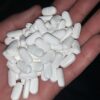
Oxycodone 30mg (K9): Medical Use, Risks, PTSD Treatment Options & US Law Guide
Introduction
Oxycodone 30mg, sometimes searched online using terms such as “K9 oxycodone” or “K9 pill,” is associated with prescription opioid medication used for significant pain under medical supervision.
Oxycodone affects the central nervous system and carries important risks, including physical dependence, misuse, respiratory depression and overdose. Prescription opioids should therefore be used only according to professional medical instructions.
What Is Oxycodone 30mg (K9)?
Oxycodone belongs to a class of medications known as opioid analgesics. These medications interact primarily with opioid receptors in the central nervous system, altering how pain is perceived.
A legitimate tablet’s identity should always be verified through its complete imprint, appearance, manufacturer and pharmacy packaging. An unknown pill should not be assumed to contain pharmaceutical oxycodone solely because it resembles an image found online.
MedlinePlus — Oxycodone Drug Information provides patient-focused information about oxycodone, including its medical uses, precautions, side effects and potentially serious breathing risks.
Medical Uses
Depending on the formulation and individual clinical circumstances, prescription oxycodone may be used for pain severe enough to require opioid treatment when appropriate alternatives are inadequate.
Clinical situations can include significant acute or persistent pain, but whether oxycodone is appropriate depends on professional assessment.
How Oxycodone Works
Oxycodone primarily acts as an opioid receptor agonist. Its effects can include:
- reduced perception of pain
- sedation or drowsiness
- changes in central nervous system activity
These effects also help explain why oxycodone can cause serious adverse reactions when misused or combined with other depressant substances.
Oxycodone Risks and Safety Concerns
Oxycodone has recognized risks involving misuse, addiction and physical dependence.
Key Risks
Important concerns associated with prescription oxycodone include physical dependence, tolerance, sedation, respiratory depression and potentially fatal overdose.
Tolerance means that the body becomes less responsive to certain drug effects after repeated exposure.
Physical dependence means that physiological adaptation has occurred and withdrawal can develop if regular opioid exposure is abruptly stopped.
Neither term should automatically be treated as synonymous with addiction.
Warning Signs of Oxycodone Misuse
Examples of misuse can include taking oxycodone differently from prescription instructions, using medication prescribed for another person or using the drug for intoxication rather than its intended medical purpose.
Combining opioids with alcohol, benzodiazepines or other central nervous system depressants can introduce particularly serious risks.
Is Oxycodone Used for PTSD Treatment?
Oxycodone is not an established treatment for post-traumatic stress disorder (PTSD).
PTSD is generally treated through evidence-based approaches selected according to the individual patient.
These can include trauma-focused psychotherapy and certain medications. Treatment decisions should be made with an appropriate healthcare professional rather than attempting to self-treat PTSD using opioid pain medications.
Readers researching the differences between prescription medications and psychedelics can explore additional psychoactive substance education from Psychedelics and Shrooms.
Research Into PTSD and Other Compounds
Research has investigated several approaches to PTSD, including psychotherapy and medication-assisted interventions.
One highly publicized area involves MDMA-assisted therapy.
Clinical research involving MDMA should not be confused with recreational ecstasy use. Clinical trials involve controlled protocols, carefully characterized substances, participant screening and professional supervision.
Research findings also do not automatically establish FDA approval.
For broader educational coverage of emerging psychedelic research, visit Psychedelics and Shrooms educational resources.
Is Ecstasy (MDMA) Legal in the USA?
MDMA remains a Schedule I controlled substance under U.S. federal law.
In August 2024, the FDA declined to approve the proposed MDMA-assisted therapy application for PTSD in its submitted form and requested additional study. Therefore, MDMA should not be described as a generally approved prescription PTSD treatment in the United States.
The legal and regulatory situation in other countries can differ substantially from U.S. law.
Legal Status of Oxycodone in the USA
Oxycodone is a Schedule II controlled substance under U.S. federal law.
Schedule II substances can have legitimate medical applications while also being subject to substantial controls because of their potential for abuse and dependence.
Patients can legally receive oxycodone when it is appropriately prescribed and dispensed according to applicable law.
Possessing, distributing or obtaining prescription oxycodone outside lawful channels can carry legal consequences.
Oxycodone Safety Guidelines
Patients prescribed oxycodone should follow the directions associated with their individual prescription.
Important principles include taking the medication only as directed, avoiding unauthorized dose changes, keeping prescription opioids securely stored and informing healthcare professionals about other medications or substances being used.
Alcohol and other central nervous system depressants can be particularly concerning when combined with opioids.
Regular opioid treatment also should not be abruptly changed or discontinued without appropriate professional guidance when physical dependence may have developed.
Where to Learn More
Reliable information about oxycodone, opioid safety and PTSD should come from established medical and regulatory sources.
Useful sources include the U.S. Food and Drug Administration, National Institutes of Health resources such as MedlinePlus and PubMed, and the U.S. Drug Enforcement Administration for federal controlled-substance information.
Readers can also explore educational discussions concerning prescription medications and psychoactive substances through Psychedelics and Shrooms.
Frequently Asked Questions
1. What is Oxycodone 30mg (K9)?
Oxycodone is a prescription opioid analgesic used for significant pain in appropriate patients. A pill believed to be a particular oxycodone product should be verified rather than identified from appearance alone.
2. Is oxycodone addictive?
Oxycodone has recognized misuse and addiction potential. Physical dependence can also develop during repeated exposure, including legitimate medical treatment.
3. Can oxycodone treat PTSD?
No. Oxycodone is an opioid pain medication and is not an established treatment for PTSD.
4. Is MDMA legal in the USA?
MDMA remains a Schedule I controlled substance under U.S. federal law and is not generally available as an FDA-approved prescription treatment for PTSD.
5. Is oxycodone legal in the USA?
Yes, oxycodone has legitimate prescription medical uses in the United States, but it is a Schedule II controlled substance and is subject to strict federal and state regulation.
6. Can oxycodone cause respiratory depression?
Yes. Respiratory depression is one of the most serious opioid risks and can become life-threatening.
7. Can oxycodone be combined with alcohol?
Combining opioids with alcohol can increase central nervous system and respiratory depression and can be dangerous.
8. What should someone do if concerned about oxycodone misuse?
A healthcare professional can assess medication use, dependence and treatment needs and recommend appropriate next steps.
| Quantity | 20, 50, 100 |
|---|
Be the first to review “Oxycodone 30mg k9”
Related products

Pharmaceuticals
Pharmaceuticals


Psyschedelics
Pharmaceuticals


Psyschedelics
Pharmaceuticals

Pharmaceuticals

syrup
Reviews
There are no reviews yet.