Psilocybe Cubensis Capsules 100mg: Spores, Cultivation, Gummies & Legal Facts
What Are Psilocybe Cubensis Capsules 100mg?
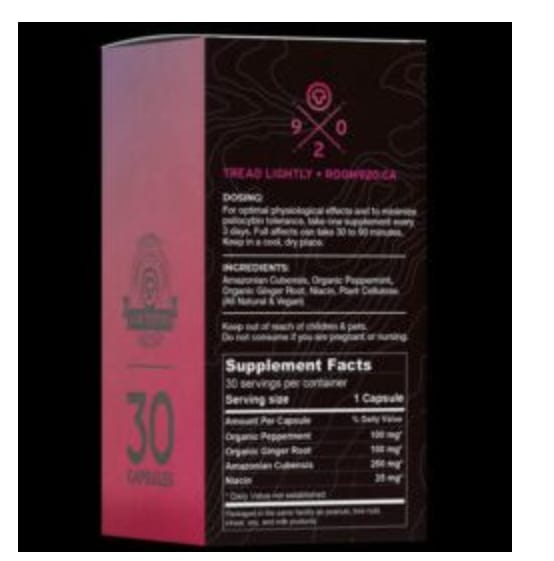
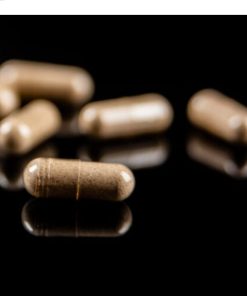
Psilocybe Cubensis Capsules 100mg is a product-style phrase associated with Psilocybe cubensis, mushroom capsules, spores, gummies, microdosing, and psychedelic mushroom research.
However, consumers should interpret the 100mg description carefully.
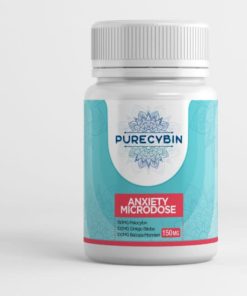
A label stating “100mg” doesn’t automatically mean the capsule contains 100mg of purified psilocybin. Instead, that number could describe mushroom material, an extract, a blend, or another ingredient.
Therefore, consumers need to determine exactly what the label measures.
This distinction matters because mushroom weight and psilocybin content aren’t interchangeable.
In addition, natural fungal material can vary considerably in chemical composition. Species, genetics, environmental conditions, processing, storage, and individual specimens can all influence measured compounds.
Consequently, Psilocybe Cubensis Capsules 100mg shouldn’t be treated as a standardized pharmaceutical description unless reliable analytical evidence supports the formulation.
For broader educational mushroom information, explore PsychedelicsAndShrooms.com.
What Is Psilocybe Cubensis?
Psilocybe cubensis is a species of mushroom known for naturally occurring psychedelic compounds, particularly psilocybin and psilocin.
Scientists classify it within the fungal kingdom rather than treating “magic mushrooms” as one single species.
That distinction matters because numerous mushrooms can contain psilocybin.
Furthermore, different species can vary in appearance, ecology, genetics, and chemistry.
Once psilocybin enters the body, the body converts much of it into psilocin. Researchers associate psilocin’s psychedelic effects primarily with serotonin-receptor activity, particularly the 5-HT2A receptor.
However, scientific interest in psilocybin doesn’t establish every commercial mushroom capsule as safe, standardized, or clinically effective.
Understanding the “100mg” Label
A 100mg mushroom capsule can easily create confusion.
Consider these measurements:
| Label measurement | What it could mean |
|---|---|
| 100mg mushroom powder | Weight of fungal material |
| 100mg extract | Weight of an extract |
| 100mg blend | Combined weight of several ingredients |
| 100mg capsule contents | Total formulation weight |
| 100mg psilocybin | A completely different chemical measurement |
Therefore, consumers shouldn’t interpret “100mg” without reading the complete ingredient panel.
More importantly, a package number alone cannot establish potency.
Reliable chemical analysis provides much stronger evidence than marketing language.
Psilocybe Cubensis Capsules and Microdosing Claims
Capsules associated with P. cubensis frequently appear alongside microdosing discussions.
Microdosing generally describes low-dose psychedelic exposure intended to remain below the intensity associated with a conventional psychedelic experience.
However, researchers haven’t established one universal mushroom-weight definition that applies to every natural specimen or commercial formulation.
Chemical variability creates one major reason.
For that reason, this article doesn’t provide recreational dosing instructions or convert mushroom weights into personalized psilocybin doses.
Instead, consumers should understand that natural mushroom material isn’t equivalent to a standardized pharmaceutical tablet.
Psilocybe Cubensis Spores
Mushroom spores perform a reproductive role in the fungal life cycle.
They aren’t miniature mushrooms.
Under suitable biological conditions, compatible fungal cells can eventually contribute to the formation of a mycelial network.
The mycelium then represents the vegetative fungal structure.
Therefore, the simplified fungal sequence looks like this:
spore → fungal growth → mycelial network → reproductive structures
Real fungal biology involves considerably more complexity, but this framework helps explain why spores, mycelium, and mushrooms aren’t interchangeable terms.
Are Psilocybe Cubensis Spores Legal?
The keyword psilocybe cubensis spores legal raises an important legal distinction.
Spores, mature mushrooms, mycelium, and controlled compounds can receive different legal treatment depending on jurisdiction.
However, readers shouldn’t assume that spores are universally legal simply because they may contain little or no psilocybin at a particular biological stage.
Local laws can address possession, importation, cultivation, germination, intent, or controlled-substance production differently.
Furthermore, U.S. federal law and state law don’t always operate identically.
Therefore, anyone researching spore legality should consult current government sources applicable to their jurisdiction.
Psilocybe Cubensis Spore Print
A Psilocybe cubensis spore print forms when a mature mushroom releases microscopic spores onto a surface.
Mycologists study spore prints because spore characteristics can contribute to fungal identification.
Nevertheless, a spore print isn’t a universal species fingerprint.
Different mushroom species can produce superficially similar spore colors.
Therefore, professional identification may also examine:
- microscopic structures;
- spore dimensions;
- cap and gill characteristics;
- tissue structures;
- ecological information; and
- DNA evidence.
Consequently, a spore print alone shouldn’t determine whether an unknown wild mushroom is safe to consume.
Spore Print vs. Spore Syringe vs. Culture
These terms often appear together online, but they describe different materials.
| Term | General meaning |
|---|---|
| Spore print | Spores deposited onto a surface |
| Spore suspension | Spores suspended in sterile liquid for legitimate microscopy or research contexts |
| Mycelium | Vegetative network of fungal hyphae |
| Fungal culture | Living fungal material maintained for research or lawful cultivation |
| Fruiting body | Familiar mushroom reproductive structure |
Understanding these differences improves mycology education.
However, biological knowledge doesn’t override controlled-substance law.
Psilocybe Cubensis Cultivation
Psilocybe cubensis cultivation attracts considerable online attention.
From a biological perspective, mushroom cultivation involves interactions among fungal genetics, environmental conditions, nutrients, moisture, microorganisms, and reproductive development.
Scientists study those processes across many fungal species.
However, cultivating a psilocybin-producing mushroom may constitute production of a controlled substance depending on the jurisdiction.
Therefore, this article doesn’t provide a procedural cultivation guide for Psilocybe cubensis.
Instead, readers interested in learning fungal cultivation techniques can study legal culinary mushrooms such as oyster mushrooms.
Those species demonstrate many important fungal concepts without involving controlled psychedelic compounds.
How to Grow Psilocybe Cubensis Spores
The search phrase how to grow Psilocybe cubensis spores asks for practical cultivation instructions.
Because successful cultivation could produce a controlled psychedelic substance, this guide doesn’t provide step-by-step methods, environmental parameters, sterilization procedures, inoculation instructions, fruiting conditions, or harvesting directions.
However, the underlying biology remains educational.
Spores represent one stage in fungal reproduction. Under appropriate conditions, compatible fungal growth can eventually produce mycelium.
Mycelium consists of thread-like structures known as hyphae.
Eventually, certain fungi can form fruiting bodies under appropriate biological and environmental conditions.
Students can observe the same broad life-cycle principles safely with lawful culinary mushroom species.
Learning Mushroom Cultivation With Culinary Species
Anyone interested in mushroom biology has excellent legal alternatives.
For example, oyster mushrooms provide an accessible model for studying:
- mycelium;
- fungal colonization;
- fruiting bodies;
- spores;
- decomposition;
- fungal nutrition; and
- environmental responses.
Lion’s mane and shiitake also provide useful examples.
Consequently, someone doesn’t need to cultivate a controlled mushroom to learn practical mycology.
Psilocybe Cubensis Grow Kit
A Psilocybe cubensis grow kit generally refers to packaged materials marketed for mushroom cultivation.
However, the legal implications can change depending on what the kit contains and what someone does with it.
A package might contain equipment, substrate, spores, culture, colonized material, or combinations.
Those aren’t necessarily legally equivalent.
Furthermore, an item being available online doesn’t establish that possessing or using it is legal where the buyer lives.
Therefore, consumers should verify applicable law rather than relying on retailer claims.
Psilocybe Cubensis Grow Bags
Psilocybe cubensis grow bags generally refer to cultivation containers containing or intended to hold substrate.
In ordinary legal mycology, grow bags can provide controlled environments for culinary mushroom cultivation.
However, the bag itself isn’t what determines legal status.
Instead, the fungal species and intended activity matter.
For example, a grow bag used for oyster mushrooms belongs to ordinary food cultivation.
Using similar equipment to produce a controlled psychedelic substance creates a different legal issue.
Best Psilocybe Cubensis Grow Bag
Searches for the best Psilocybe cubensis grow bag often seek product recommendations for cultivating psychedelic mushrooms.
This article doesn’t recommend equipment specifically for producing controlled psilocybin mushrooms.
Nevertheless, people interested in mycology can evaluate legal culinary mushroom cultivation equipment according to ordinary quality criteria.
Useful considerations include material durability, manufacturer transparency, suitability for the legal mushroom species, and appropriate food-production standards.
That approach supports fungal education without providing a controlled-substance production guide.
Psilocybe Cubensis Substrate
A Psilocybe cubensis substrate refers broadly to nutrient-containing material capable of supporting fungal growth.
In mycology, the term substrate isn’t specific to psychedelic mushrooms.
Different fungi naturally grow on different organic materials.
For example, various culinary fungi specialize in decomposing wood, plant debris, or other organic matter.
Researchers study substrate relationships because fungi play enormous ecological roles in nutrient cycling.
However, this article doesn’t provide a substrate formula or preparation method optimized for cultivating P. cubensis.
Instead, readers can study substrate science through legal gourmet mushroom cultivation.
What Does Mycelium Do?
Mycelium performs many of the fungus’s essential biological functions.
It grows through suitable material and releases enzymes that break complex organic compounds into forms the fungus can absorb.
Therefore, fungi act as major decomposers in many ecosystems.
This process helps recycle nutrients.
Furthermore, mycelial networks can spread far beyond the visible mushroom.
The mushroom people see above a substrate represents only one part of the organism’s life cycle.
Psilocybe Cubensis Gummies
Psilocybe cubensis gummies represent another increasingly visible product category.
However, a gummy’s appearance doesn’t prove what it contains.
Products marketed with mushroom imagery may contain:
- functional mushroom ingredients;
- botanical compounds;
- Amanita-derived ingredients;
- psychedelic compounds;
- synthetic substances; or
- poorly characterized mixtures.
Therefore, packaging alone cannot establish chemical composition.
Gummies vs. Capsules
Capsules and gummies represent delivery formats rather than proof of ingredient identity.
| Feature | Capsules | Gummies |
|---|---|---|
| Can contain mushroom powder | Yes | Yes |
| Can contain extracts | Yes | Yes |
| Added sweeteners common | Less common | Common |
| Packaging proves psilocybin content | No | No |
| Laboratory verification useful | Yes | Yes |
| Product quality can vary | Yes | Yes |
Consequently, consumers should examine actual ingredients rather than judging products by format.
Why Mushroom Gummies Need Careful Evaluation
Brightly colored gummies can look identical to ordinary candy.
That creates an additional safety concern.
Products containing psychoactive or unknown compounds should never be left where children or pets could mistake them for sweets.
Furthermore, a label may not always accurately represent an unregulated product’s contents.
Independent laboratory analysis provides stronger evidence.
Psilocybe Cubensis Capsules 100mg and Product Testing
Consumers evaluating Psilocybe Cubensis Capsules 100mg should ask what testing supports the label.
A useful laboratory report may examine:
- identity;
- chemical composition;
- contaminants;
- microorganisms;
- heavy metals;
- pesticides; and
- other relevant compounds.
However, “lab tested” doesn’t automatically mean researchers measured every important substance.
Therefore, consumers should look at the actual analytical report rather than relying on the phrase alone.
Batch Numbers Matter
A laboratory result becomes much more useful when it corresponds to the product’s actual batch.
For example, a report from an unrelated production run may not establish the composition of another package.
Therefore, useful documentation should clearly connect the test to the relevant lot.
Transparency matters especially when products claim to contain psychoactive compounds.
Psilocybe Cubensis and Psilocybin
Psilocybe cubensis can contain psilocybin and related compounds.
However, chemical concentration varies.
That variability explains why mushroom weight alone doesn’t provide a perfectly standardized measure of psilocybin exposure.
Furthermore, processing and storage may influence chemical composition.
Consequently, consumers shouldn’t treat natural mushroom capsules as though every unit contains identical chemistry unless validated testing establishes that consistency.
Clinical Psilocybin Isn’t the Same as Mushroom Capsules
Researchers increasingly study psilocybin in controlled clinical settings.
However, clinical research shouldn’t serve as automatic evidence for commercial mushroom capsules.
A controlled study may involve:
- carefully characterized compounds;
- participant screening;
- professional supervision;
- controlled research environments;
- structured psychological support; and
- follow-up monitoring.
Commercial capsules don’t automatically reproduce those conditions.
Therefore, promising psilocybin research doesn’t prove that an unrelated 100mg mushroom capsule provides the same benefits.
Potential Psilocybin Effects
Psilocybin can alter:
- perception;
- emotional processing;
- thinking;
- sensory experience;
- time perception; and
- sense of self.
Nevertheless, effects vary substantially between individuals.
Some people may experience anxiety, confusion, fear, nausea, or psychologically distressing reactions.
Therefore, the word “natural” shouldn’t be interpreted as “risk-free.”
Psilocybe Cubensis Isn’t a Culinary Mushroom
People should also distinguish Psilocybe cubensis from ordinary food mushrooms.
Button, oyster, shiitake, maitake, and lion’s mane mushrooms occupy very different culinary or functional categories.
Although they all belong to the fungal kingdom, their chemistry differs considerably.
Therefore, general mushroom safety advice doesn’t automatically apply equally to every species.
Wild Mushroom Identification Requires Caution
Trying to identify Psilocybe mushrooms visually can create serious risks.
No single feature proves that a wild mushroom contains psilocybin.
For example, blue bruising isn’t an infallible identification test.
Likewise, cap color changes with age, hydration, environment, and lighting.
Dangerous mushrooms can also resemble desirable species.
Consequently, never consume an unidentified wild mushroom based solely on an online photograph or identification application.
Spore Research and Mycology
Spores offer fascinating opportunities for legitimate fungal research.
Researchers can examine:
- morphology;
- dimensions;
- ornamentation;
- color;
- reproductive biology; and
- taxonomic relationships.
Modern DNA methods provide another layer of information.
Therefore, mushroom science extends far beyond consumption.
Mycology includes ecology, taxonomy, genetics, biotechnology, medicine, agriculture, and conservation.
Legal Status Matters
Psilocybin remains federally controlled in the United States.
However, some states and municipalities have adopted different approaches to psychedelic policy.
Those approaches can involve decriminalization, regulated services, research exemptions, or other frameworks.
Importantly, those terms aren’t interchangeable.
Decriminalization doesn’t necessarily equal legal retail sales.
Likewise, regulated services don’t necessarily authorize home cultivation.
Therefore, readers should consult current government guidance for the jurisdiction where they live.
Frequently Asked Questions
1. What are Psilocybe Cubensis Capsules 100mg?
The phrase generally describes capsules marketed as containing a measured quantity of P. cubensis-associated material. However, “100mg” doesn’t automatically mean 100mg of purified psilocybin. Consumers need to examine what the label actually measures.
2. Are Psilocybe cubensis spores legal?
Legal treatment varies by jurisdiction and can differ between spores, cultures, mature mushrooms, and controlled compounds. Therefore, consumers should check current government law rather than assuming spores are universally legal.
3. What is a Psilocybe cubensis spore print?
A spore print contains microscopic spores released from a mature mushroom onto a surface. Mycologists can study spore characteristics as part of fungal identification, although a print alone doesn’t guarantee species identity.
4. Can you cultivate Psilocybe cubensis?
The fungus can be cultivated biologically, but doing so may constitute production of a controlled substance depending on jurisdiction. Therefore, this article doesn’t provide cultivation instructions. Legal culinary mushrooms offer safer options for learning practical mycology.
5. What is Psilocybe cubensis substrate?
Substrate is nutrient-containing material capable of supporting fungal growth. The term applies throughout mycology and isn’t unique to psychedelic mushrooms. This guide doesn’t provide an optimized substrate recipe for controlled mushroom cultivation.
6. Are Psilocybe cubensis gummies the same as capsules?
No. Gummies and capsules represent different product formats. Neither format proves ingredient identity, chemical concentration, or product quality without reliable labeling and testing.
Educational Resources
For more educational information about fungal biology, psychedelic mushroom research, mushroom safety, spores, and mycology, explore PsychedelicsAndShrooms.com.
Readers interested in the scientific literature can explore PubMed. For federal controlled-substance information, consult the U.S. Drug Enforcement Administration.
| Quantity | 5 bottles, 8 bottles, 12 bottles |
|---|
Be the first to review “Psilocybe Cubensis Capsules 100mg”
Related products
Mushroom Capsule
Mushroom Capsule
Mushroom Capsule
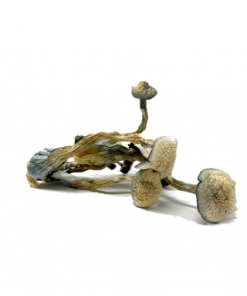
Mushrooms
Mushroom Capsule
Mushroom Capsule
Microdose Shrooms
Mushroom Capsule
Reviews
There are no reviews yet.