Soucoupe Volante: Mushroom Spores, Mushroom Colors, and Understanding Psychoactive Substances
Interest in mushrooms continues to grow as scientists study their biology, ecology, nutritional value, and naturally occurring compounds. Soucoupe Volante is a keyword often associated with mushroom education and mycology. Many readers also search for topics such as what are mushroom spores, what do spores look like, what are the psychoactive drugs, psychoactive drugs examples, mind altering substances, psychoactive effect, psychoactive substance abuse, what color are mushrooms, what colours are mushrooms, mushroom trip levels, what does 2 grams of shrooms look like, what does 2g of shrooms look like, and what do dried shrooms look like. Understanding these subjects through reliable scientific information helps distinguish established facts from common misconceptions. For more educational articles about fungi and mushroom science, visit PsychedelicsAndShrooms.com.
Understanding Soucoupe Volante
Soucoupe Volante is a name that frequently appears in conversations about mushrooms and fungal research. Beyond the name itself, learning about mushroom biology provides valuable insight into how fungi reproduce, survive, and contribute to healthy ecosystems. Mycologists study mushrooms not only because of their ecological importance but also because fungi continue to play significant roles in medicine, agriculture, biotechnology, and environmental science.
What Are Mushroom Spores?
A common question is what are mushroom spores. Spores are microscopic reproductive cells produced by many fungi, serving a role similar to seeds in plants, although they differ biologically. When environmental conditions are suitable, spores can germinate and develop into thread-like structures called hyphae, which eventually form an interconnected network known as mycelium.
People also ask what do spores look like. Individual mushroom spores are so small that they generally cannot be seen with the naked eye. Under a microscope, spores vary in shape, size, texture, and color depending on the species. Mycologists often use spore characteristics and spore print color as one of many tools for scientific identification.
What Color Are Mushrooms?
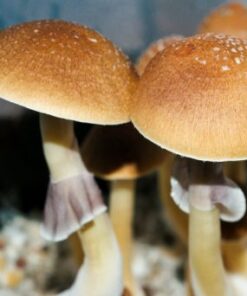
Questions such as what color are mushrooms and what colours are mushrooms highlight the incredible diversity of fungi. Mushrooms occur in white, cream, tan, brown, gray, black, yellow, orange, red, blue, purple, pink, and even green shades. Color may change as a mushroom matures or as environmental conditions such as moisture and sunlight vary. Because many unrelated species share similar colors, appearance alone is never enough for reliable identification.
Psychoactive Drugs and Their Effects
Many readers search for what are the psychoactive drugs, psychoactive drugs examples, mind altering substances, and psychoactive effect. Psychoactive substances are chemicals that influence how the brain functions, affecting mood, perception, thinking, awareness, or behavior. Examples include alcohol, nicotine, caffeine, certain prescription medications, cannabis, and several other regulated substances. Their effects vary considerably depending on the specific substance, dose, the individual’s health, and the surrounding environment.
Another important topic is psychoactive substance abuse. Misusing psychoactive substances can increase the risk of physical, psychological, and social harm. Public health experts encourage prevention, education, early intervention, and access to appropriate healthcare services for individuals experiencing substance use problems.
Mushroom Appearance and Public Curiosity
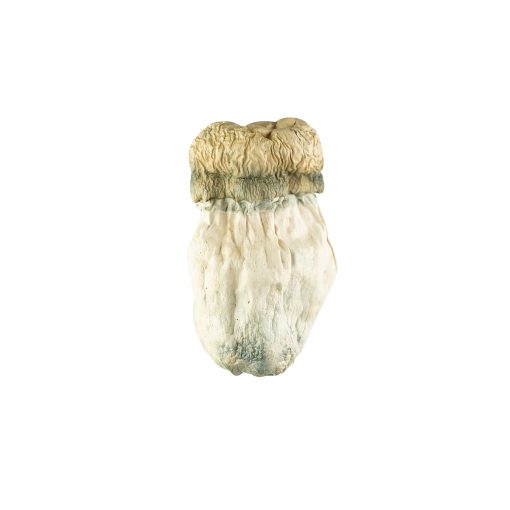
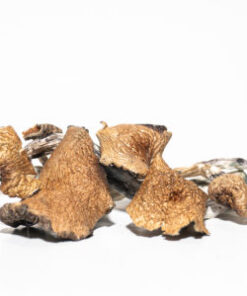
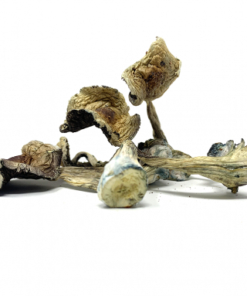
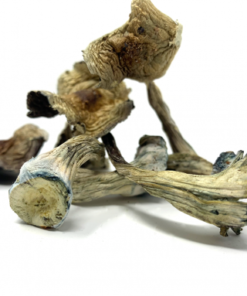
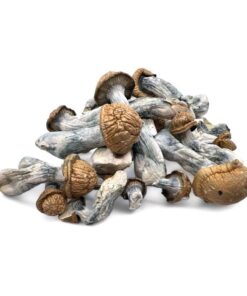
Searches for mushroom trip levels, what does 2 grams of shrooms look like, what does 2g of shrooms look like, and what do dried shrooms look like often reflect public curiosity about psychedelic mushrooms. From an educational perspective, the appearance of mushrooms or mushroom products cannot reliably indicate their chemical composition, potency, or safety. Many edible, toxic, and psychoactive mushrooms can look remarkably similar, and visual characteristics alone should never be used to draw conclusions about a mushroom’s properties or effects.
Scientists instead rely on laboratory analysis, taxonomy, genetics, and controlled research when studying mushroom species and their naturally occurring compounds.
Why Mushroom Education Matters
Mushrooms are far more than their appearance or cultural reputation. They recycle nutrients, support forest ecosystems, contribute to biodiversity, and provide valuable insights for medicine and environmental science. Understanding mushroom spores, fungal reproduction, and the science of psychoactive substances helps build informed, evidence-based knowledge while encouraging safe and responsible decision-making.
Conclusion
Whether you’re researching Soucoupe Volante, learning what are mushroom spores, exploring psychoactive drugs examples, or wondering what color are mushrooms, scientific education offers the most reliable path to understanding fungi. Continued research is expanding our knowledge of mushroom biology, ecology, and public health while encouraging appreciation for one of nature’s most diverse kingdoms. For more educational mushroom articles and research updates, visit PsychedelicsAndShrooms.com.
For additional educational information, explore National Institute on Drug Abuse (NIDA) and Encyclopaedia Britannica – Fungi.
| Quantity | 7G, 14G, 28G, 1/4 LB |
|---|
Be the first to review “Soucoupe Volante”
Related products
Microdose Shrooms

Mushrooms
Mushrooms
Mushrooms
Mushrooms
Microdose Shrooms
Microdose Shrooms
Reviews
There are no reviews yet.