
Toseina Syrup: Codeine Safety, Drug Recovery, Addiction Treatment and SUD Recovery Guide
Introduction
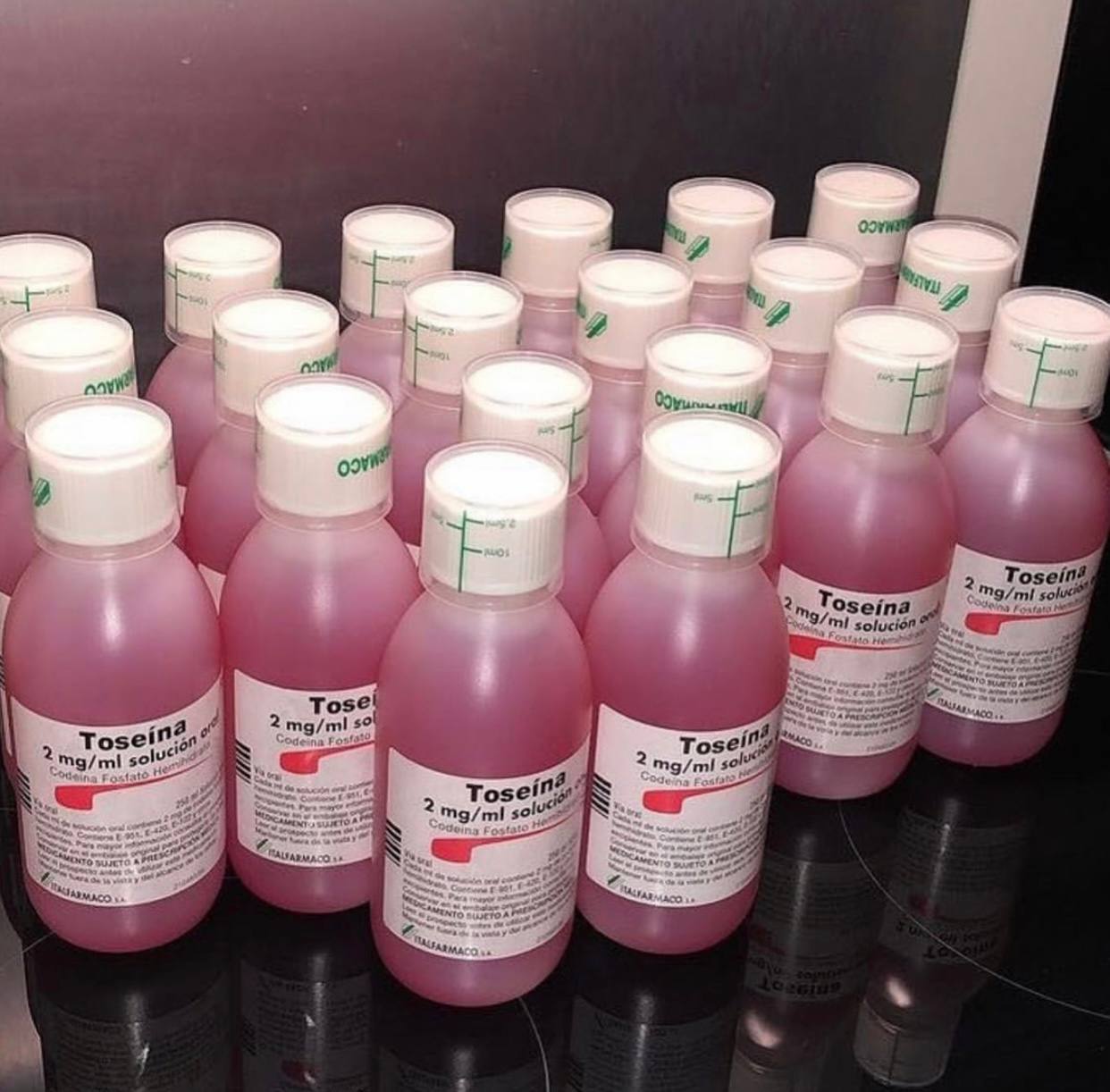
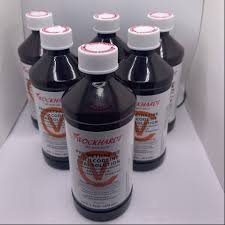
Toseina syrup is a codeine-containing cough medicine marketed in some countries outside the United States. Codeine is an opioid, so discussion of Toseina should include not only its intended medical role but also the risks of sedation, physical dependence, misuse and opioid-related harm. It should not be presented as recreational “lean” or as an ordinary beverage.
Searches for Toseina syrup also overlap with important public-health topics such as drug recovery, addiction treatment, drink rehab, substance abuse treatment, abuse drug treatment, drug addiction treatment, addiction therapy, drug treatment, substance use disorder treatment, SUD treatment, drug recovery treatment, recovering addict and steps to recovery.
These searches matter because substance use disorder is treatable. SAMHSA describes recovery as a process through which people improve health and wellness, live self-directed lives and work toward their full potential. Treatment can include medications, behavioral therapy, clinical services and recovery support depending on the substance involved and the person’s needs.
Readers interested in broader educational discussions about prescription and psychoactive substances can also explore Psychedelics and Shrooms.
What Is Toseina?
Toseina is associated with codeine-containing cough syrup. Codeine belongs to the opioid family of medications.
Medically, codeine has been used in certain formulations for pain or cough suppression. However, its opioid pharmacology means it can also cause drowsiness, physical dependence and respiratory depression.
The name of a medicine alone is not enough to determine whether it is appropriate for a particular patient. Formulations and regulatory approvals can also differ among countries.
For that reason, someone encountering Toseina should rely on the current package labeling, pharmacist and applicable national medicine regulator rather than assuming that information about another codeine product automatically applies.
Is Toseina Syrup an Opioid?
The relevant active ingredient, codeine, is an opioid.
Opioids interact with opioid receptors in the nervous system. Their pharmacological effects can include pain relief, suppression of certain cough responses, sedation and reduced respiratory drive.
The last effect is particularly important from a safety perspective.
Excessive opioid exposure can suppress breathing. Combining an opioid with other substances that depress the central nervous system can make this danger greater.
Why Is Codeine Sometimes Misused?
Prescription cough medicines containing codeine have sometimes been misused for their psychoactive effects.
Slang terms such as “lean” or “purple drank” can make these products sound less dangerous than other opioids. From a pharmacological perspective, however, codeine remains an opioid regardless of whether it appears in a tablet or liquid medicine.
A flavored syrup also does not become a recreational beverage simply because it is liquid.
Responsible medication education should separate legitimate therapeutic use from nonmedical consumption.
Can Codeine Cause Physical Dependence?
Yes.
Repeated opioid exposure can cause physical dependence, meaning the body adapts to the presence of the medication.
If regular opioid exposure is abruptly stopped after dependence develops, withdrawal symptoms can occur.
Physical dependence is not automatically identical to addiction or substance use disorder. A patient taking an opioid according to medical instructions can develop physiological dependence without displaying compulsive drug-seeking behavior.
However, opioids also have recognized misuse and addiction potential.
Understanding Substance Use Disorder
Substance use disorder, commonly abbreviated SUD, is a medical condition involving problematic substance use that causes clinically meaningful impairment or distress.
SAMHSA emphasizes that addiction should not be reduced to a failure of willpower or morality. Repeated substance exposure can affect brain function and contribute to persistent cravings and compulsive behavior. Effective treatments are available.
The condition can involve:
- opioids
- alcohol
- stimulants
- sedatives
- cannabis
- nicotine
- multiple substances
Severity and treatment requirements can vary considerably.
What Does Drug Recovery Mean?
Drug recovery is broader than simply stopping a substance.
SAMHSA defines recovery as a process of change through which people improve their health and wellness, live self-directed lives and work toward their potential.
Its framework identifies four important dimensions:
Health involves managing health conditions and making choices that support physical and emotional well-being.
Home means having a stable and safe living environment.
Purpose includes meaningful activities such as employment, education, volunteering, caregiving or creative work.
Community involves relationships and social networks that provide friendship, support and hope.
This explains why effective recovery can involve much more than detoxification.
What Is Addiction Treatment?
Addiction treatment refers to evidence-based interventions intended to address substance use disorders and their consequences.
There is no single treatment program appropriate for everyone.
SAMHSA explains that treatment can involve medications combined with counseling and behavioral therapies. Treatment should be clinically driven and tailored to individual needs.
Depending on the situation, care may include:
- medical assessment
- withdrawal management
- behavioral therapy
- medications
- psychiatric treatment
- outpatient services
- residential care
- peer recovery support
- continuing care
Treatment should address the individual rather than simply the substance being used.
What Is Substance Abuse Treatment?
Substance abuse treatment remains a common search phrase, although healthcare organizations increasingly use terminology such as substance use disorder treatment.
Treatment begins with determining what condition is actually present.
Someone occasionally misusing medication may require a different intervention from someone with severe opioid use disorder, alcohol use disorder or multiple substance use disorders.
Co-occurring conditions can also affect treatment planning.
A comprehensive assessment may examine physical health, mental health, substance exposure, withdrawal risk, housing, family circumstances and other factors affecting recovery.
Sources and Further Reading
Readers researching treatment and recovery can consult the following evidence-based resources:
SAMHSA — Substance Use Disorder Treatment Options explains medication, counseling and behavioral approaches to treatment.
SAMHSA — Recovery and Recovery Support explains recovery, peer support and the broader recovery process.
PubMed — Peer Recovery Support Services and Recovery Coaching for SUD reviews 28 studies involving more than 12,000 participants and found evidence that peer services can improve treatment engagement and retention.
For additional educational material concerning psychoactive substances and prescription medications, readers can explore Psychedelics and Shrooms — Educational Resources.
What Is SUD Treatment?
SUD treatment is simply an abbreviated way of saying substance use disorder treatment.
Effective care depends heavily on the substance involved.
For opioid use disorder, evidence-based medications can play an important role. SAMHSA notes that medication combined with counseling and behavioral therapies can improve survival, increase treatment retention and decrease illicit opioid use.
Treatment for alcohol, stimulants and other substances may involve different combinations of medication and behavioral interventions.
This is why generic claims about a single universal “drug treatment” should be approached cautiously.
What Is Drug Addiction Treatment?
Drug addiction treatment addresses both substance use and the factors that maintain problematic behavior.
NIDA’s principles of effective treatment emphasize that addiction is complex but treatable and that no single treatment works for everyone. Effective care should address multiple needs rather than focusing only on drug consumption.
Behavioral therapies can help people:
- strengthen motivation for change
- develop coping strategies
- improve problem-solving
- identify high-risk situations
- develop healthier activities
- improve interpersonal relationships
Medication can also be an important component for certain substance use disorders.
What Does “Drink Rehab” Mean?
Drink rehab is an informal search phrase usually referring to rehabilitation or treatment for problematic alcohol use.
Alcohol treatment should be distinguished from opioid treatment because the medical risks and appropriate medications differ.
A person who has been drinking heavily for a prolonged period can sometimes develop dangerous alcohol withdrawal. Treatment therefore may begin with a medical assessment rather than simply stopping alcohol without professional guidance.
Long-term care can include behavioral therapies, medications and recovery support.
What Is Addiction Therapy?
Addiction therapy commonly refers to behavioral and psychological interventions used during treatment.
Individual counseling, family interventions and group therapy can all play roles.
NIDA identifies behavioral therapies as among the most commonly used approaches in drug addiction treatment. They can address motivation, coping skills, relationships and behaviors associated with substance use.
Therapy may also address co-occurring anxiety, depression, trauma or other psychological difficulties when appropriate.
Does Everyone Need Residential Rehab?
No.
Residential rehabilitation is one treatment setting, not the definition of recovery.
Depending on severity and circumstances, people may receive care through outpatient clinics, primary care, specialty addiction programs, intensive outpatient programs, residential facilities or combinations of these services.
The appropriate level of care depends on clinical assessment.
A person requiring medically supervised withdrawal or intensive support has different needs from someone who can safely receive outpatient treatment.
Medication Treatment for Opioid Use Disorder
Opioid use disorder deserves special attention when discussing codeine-containing medicines.
SAMHSA identifies medications as an important part of treatment for opioid use disorder. Medication combined with appropriate counseling and behavioral support can improve survival and treatment retention.
Evidence-based opioid use disorder medications include buprenorphine, methadone and naltrexone in appropriate clinical circumstances.
These medications should not be dismissed as simply “replacing one drug with another.” They have established roles in evidence-based medical treatment.
What Is Drug Recovery Treatment?
Drug recovery treatment can describe the longer continuum extending from initial clinical intervention through sustained recovery.
Stopping substance use is not necessarily the end of care.
A PubMed review of continuing care found that longer-duration interventions with active efforts to keep people engaged may produce more consistently positive outcomes, particularly for individuals at higher risk of relapse.
Recovery plans can therefore change over time.
A person might initially require intensive treatment and later transition to outpatient care, medication management, therapy or peer support.
The Role of Peer Recovery Support
People with lived recovery experience increasingly participate in formal recovery-support services.
A 2025 systematic review evaluated 28 studies involving 12,601 participants. The evidence indicated that peer recovery support services can improve treatment engagement and retention, although evidence for some longer-term substance-use outcomes remains less conclusive.
Peer support does not necessarily replace professional medical or psychological care.
Instead, it can complement treatment by helping people navigate services, remain connected with care and build supportive relationships.
“Recovering Addict” and Person-Centered Language
Recovering addict remains a common search phrase, but healthcare communication increasingly favors expressions such as:
person in recovery
or
person with a substance use disorder
The distinction may seem small, but it separates a person’s identity from a medical condition.
Recovery is highly individual. SAMHSA emphasizes that there are many pathways, potentially involving clinical treatment, medication, peer support, family support, self-care and other resources.
Steps to Recovery
There is no universal checklist that every person must follow.
A practical recovery process often begins with recognizing a problem and obtaining an appropriate assessment. The next stage is developing an individualized treatment plan based on the substance, severity and medical circumstances.
Treatment may then involve withdrawal management when necessary, behavioral therapy, medication, structured treatment programs or combinations of these interventions.
Long-term recovery frequently involves continued support, rebuilding daily routines, addressing mental and physical health, strengthening relationships and developing strategies for setbacks.
SAMHSA specifically describes recovery as highly personal and occurring through many different pathways.
Does Relapse Mean Treatment Failed?
Not necessarily.
Substance use disorders can behave like other chronic conditions in which symptoms can recur.
SAMHSA notes that relapse can occur and that treatment may need to be continued or adjusted rather than interpreted automatically as failure.
This is one reason continuing care matters.
A recurrence can signal the need to reassess triggers, medication, treatment intensity, living circumstances or other components of the recovery plan.
Recovery Is More Than Abstinence
For some people, abstinence is a central recovery goal. But recovery encompasses additional aspects of health and daily functioning.
Stable housing, employment, education, relationships, physical health and psychological well-being can all influence long-term outcomes.
A review examining substance use recovery and post-traumatic growth similarly emphasizes the importance of social support, personal development, environmental stability and community connections.
This broader framework helps explain why successful treatment programs often address more than substance consumption alone.
Toseina Syrup and Responsible Opioid Education
Discussion of Toseina syrup should distinguish legitimate medical use from opioid misuse.
Codeine-containing cough medicine is not recreational “lean,” and the fact that a medicine is liquid does not remove the risks associated with opioid pharmacology.
Someone concerned that their use of codeine, another opioid, alcohol or another substance is becoming difficult to control can benefit from professional assessment. Effective substance use disorder treatments exist, and recovery can involve medications, behavioral therapy, continuing care and peer support.
Readers can also explore Psychedelics and Shrooms — Medication Education for broader educational discussions concerning psychoactive substances.
Frequently Asked Questions
1. What is Toseina syrup?
Toseina syrup is associated with a codeine-containing cough medicine marketed outside the United States. Codeine is an opioid and carries clinically important dependence and respiratory-depression risks.
2. Is Toseina an opioid?
The relevant active ingredient, codeine, belongs to the opioid drug class.
3. Can codeine cause dependence?
Yes. Repeated opioid exposure can produce physical dependence, and opioids also have misuse and addiction potential.
4. What is drug recovery?
Drug recovery is a broader process of improving health, wellness and daily functioning while addressing substance-related problems.
5. What is addiction treatment?
Addiction treatment can include medical care, behavioral therapies, medications, recovery services and other interventions tailored to the individual.
6. What is substance use disorder treatment?
Substance use disorder treatment addresses problematic substance use and associated medical, psychological and social needs.
7. What does SUD treatment mean?
SUD treatment means substance use disorder treatment.
8. What is drink rehab?
Drink rehab is an informal term for alcohol rehabilitation or alcohol use disorder treatment.
9. Does everyone with addiction need residential rehab?
No. Treatment may occur in outpatient, residential, hospital, primary-care or specialty addiction settings depending on individual needs.
10. What is addiction therapy?
Addiction therapy generally refers to behavioral interventions designed to address motivation, coping strategies, substance-related behaviors and other psychological or social factors.
11. Are medications used for addiction treatment?
Yes. Medications have established roles in treating conditions including opioid and alcohol use disorders.
12. What is drug recovery treatment?
It refers to treatment and continuing support designed to help someone establish and maintain recovery.
13. What are the steps to recovery?
There is no single sequence for everyone. Assessment, individualized treatment, ongoing support and continuing care are common components.
14. Does relapse mean recovery has failed?
No. A recurrence of substance use can indicate that treatment or recovery supports need reassessment or adjustment.
15. Can people recover from substance use disorder?
Yes. SAMHSA reports that millions of Americans identify as being in recovery from substance use and/or mental health problems, and effective treatment and recovery-support pathways are available.
| Quantity | 1, 2, 5, 10 |
|---|
Be the first to review “Toseina syrup”
Related products

Psyschedelics
Pharmaceuticals
Pharmaceuticals
Pharmaceuticals
Psyschedelics
syrup
Microdose Shrooms
Pharmaceuticals
Reviews
There are no reviews yet.