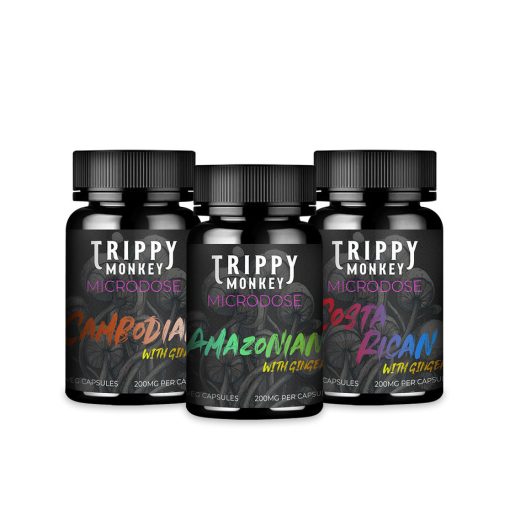
Trippy Monkey Microdose Capsules and Understanding Where Psilocybin Mushrooms Grow and Why Habitat Research Matters
Interest in psychedelic fungi has grown significantly as scientists continue to study psilocybin in carefully regulated clinical settings. Many people search for phrases such as psilocybin growth map, where do magic mushrooms grow naturally, where do psilocybin mushrooms grow naturally, how to find psilocybin mushrooms, how to find psilocybin mushrooms in the wild, how to find psychedelic mushrooms in wild, and how to find wild magic mushrooms. These searches often reflect curiosity about mushroom ecology, biodiversity, and scientific research. If you’re interested in learning more about fungi and current mushroom science, you can explore additional educational resources through PsychedelicsAndShrooms.com.
What Is a Psilocybin Growth Map?
The phrase psilocybin growth map is commonly used to describe general scientific observations of where different Psilocybe species have been documented around the world. Rather than identifying specific locations, these maps illustrate broad geographic distributions based on climate, habitat, and historical research records. Mycologists use this information to study fungal biodiversity, evolution, and environmental relationships rather than to identify collection sites.
Where Do Magic Mushrooms Grow Naturally?
A common question is where do magic mushrooms grow naturally or where do psilocybin mushrooms grow naturally. From a scientific perspective, different Psilocybe species have been recorded in a variety of ecosystems across several continents. Their natural distribution depends on environmental factors such as climate, rainfall, vegetation, soil composition, and ecological interactions. Individual species occupy different habitats, and no single environment supports every type of Psilocybe mushroom.
Researchers continue to study these fungi to better understand their ecological roles, genetics, and relationships with surrounding ecosystems. These investigations contribute to broader knowledge of fungal biodiversity and environmental science.
Questions About Finding Wild Psilocybin Mushrooms
Searches such as how to find psilocybin mushrooms, how to find psilocybin mushrooms in the wild, how to find psychedelic mushrooms in wild, and how to find wild magic mushrooms are common online. However, identifying wild mushrooms is extremely challenging because many harmless, toxic, and psychoactive species can appear remarkably similar.
For safety reasons, educational resources emphasize learning about fungal biology, taxonomy, and conservation rather than attempting to identify or collect unknown mushrooms in natural environments. Consuming unidentified wild mushrooms can result in serious poisoning because numerous dangerous species resemble other mushrooms.
Scientific Interest in Psilocybin
Modern research institutions are investigating psilocybin under carefully controlled clinical conditions to better understand its potential therapeutic applications for specific medical conditions. These studies follow strict ethical standards, regulatory oversight, and participant safety protocols. While research is expanding, psilocybin remains regulated under U.S. federal law, although certain state and local policies differ.
Current scientific work focuses on neuroscience, psychology, pharmacology, and mental health research rather than recreational use. Continued research will help clarify both potential benefits and possible risks.
Mushroom Ecology and Biodiversity
Fungi play essential ecological roles regardless of whether they produce psilocybin. Many mushrooms recycle nutrients by decomposing organic matter, while others form beneficial relationships with trees and other plants. Studying fungal ecology helps scientists understand forest health, soil biology, biodiversity, and climate resilience.
Learning about mushroom habitats from an ecological perspective also encourages conservation and responsible appreciation of fungal diversity without disturbing sensitive natural environments.
Staying Safe While Learning
Whether you’re interested in fungal biology, mushroom identification, or current psychedelic research, relying on peer-reviewed scientific literature and reputable educational organizations is the best approach. Avoid relying on photographs or social media posts to identify unknown mushrooms, and never consume wild mushrooms unless they have been positively identified by a qualified expert.
For more educational articles about fungi, mushroom science, and current research, visit PsychedelicsAndShrooms.com.
For additional educational information, explore National Institutes of Health (NIH) and Encyclopaedia Britannica – Fungi.
Be the first to review “Trippy Monkey Microdose Capsules”
Related products
Mushrooms
Mushrooms

Microdose Shrooms

Mushrooms
Microdose Shrooms
Microdose Shrooms
Microdose Shrooms
Reviews
There are no reviews yet.