Psilocybin Mushrooms: Species, Anatomy, Statistics, and Psychedelic Research
Fungi represent an enormous biological kingdom encompassing yeasts, molds, truffles, culinary mushrooms, medicinal fungi, and thousands of mushroom-forming species. Within this diversity, certain fungi naturally produce psilocybin, a compound that has become an important subject of modern neuroscience and psychiatric research.
Consequently, searches for terms such as list of psilocybin mushrooms, psilocybin statistics, stems vs caps mushrooms, and natural psychedelic drugs have become increasingly common.
Understanding these subjects requires separating fungal biology from internet terminology and controlled clinical research from unsupervised psychedelic use.
Readers interested in broader mushroom science can explore PsychedelicsAndShrooms.com for additional educational material about fungi and mycology.
Z-Strain: Brief Scientific Background
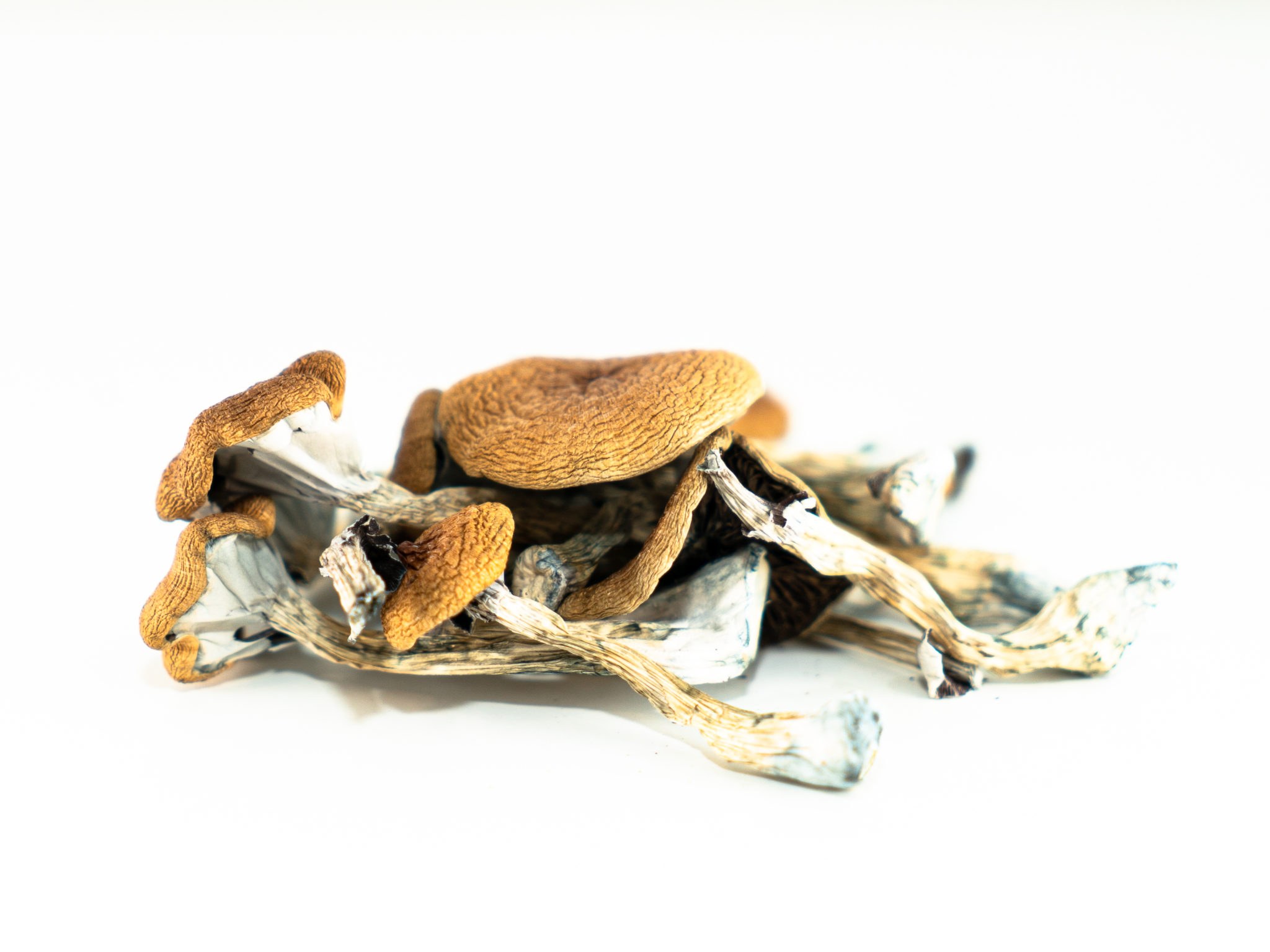
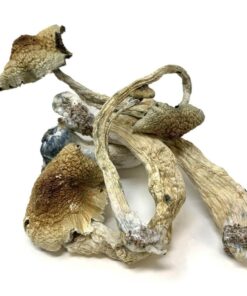
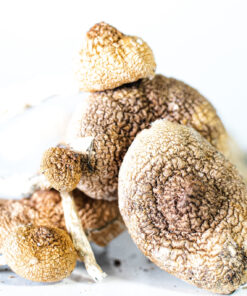
“Z-Strain” is an informal variety or strain-style name generally associated with Psilocybe cubensis rather than a separate scientifically recognized mushroom species.
Psilocybe cubensis belongs to the family Hymenogastraceae and contains naturally occurring psilocybin and related compounds.
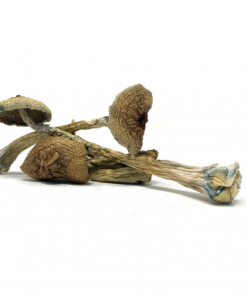
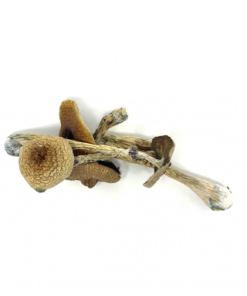
General phenotypic characteristics associated with P. cubensis include a centrally positioned stem, gilled cap, and dark purplish-brown spores. Cap shape changes during maturation and can progress from relatively convex to more broadly expanded.
However, informal names such as Z-Strain shouldn’t be treated as scientifically standardized measurements of genetics or chemical composition.
This article therefore doesn’t provide cultivation, preparation, dosage, potency-ranking, or consumption instructions.
What Does Shrooms Mean in Slang?
Shrooms meaning in slang is straightforward.
“Shrooms” is an informal abbreviation of “mushrooms.” However, in many contemporary contexts, the term specifically refers to mushrooms containing naturally occurring psychedelic compounds such as psilocybin.
Context therefore matters.
Someone discussing “shrooms” in a culinary conversation could simply mean mushrooms, while psychedelic-related conversations generally use the word to describe psilocybin-containing fungi.
“Shrooms” isn’t a formal scientific classification.
Stems vs Caps Mushrooms: Understanding Mushroom Anatomy
The keyword stems vs caps mushrooms relates to basic fungal anatomy.
The visible mushroom is generally the reproductive fruiting structure produced by a larger fungal organism.
Two familiar structures are the:
Cap: The upper portion of many mushroom fruiting bodies.
Stem: The supporting structure connecting the cap with the underlying fungal network or substrate.
The scientific term for a mushroom stem is stipe, while the cap is frequently called the pileus.
What Does a Mushroom Cap Do?
The mushroom cap helps support and protect structures responsible for producing spores.
Depending on the species, spore-bearing structures underneath the cap can include:
- Gills
- Pores
- Teeth
- Ridges
In many familiar mushrooms, gills radiate outward beneath the cap and contain microscopic structures involved in spore production.
What Does the Mushroom Stem Do?
The stem elevates the cap above its growing surface.
From an evolutionary perspective, elevation can help spores disperse into surrounding air currents.
However, not every mushroom has the familiar cap-and-stem structure.
Bracket fungi, puffballs, coral fungi, truffles, and other fungal groups demonstrate remarkably different morphologies.
For more explanations of mushroom anatomy and fungal diversity, readers can explore Mushroom Science Resources.
Stems vs Caps and Chemical Composition
People sometimes assume the cap and stem of a mushroom must contain identical concentrations of every naturally occurring compound.
Biological material is rarely that uniform.
Chemical concentrations can vary between individual specimens and tissues because of genetics, maturity, environmental conditions, storage, and analytical methodology.
Consequently, appearance or mushroom anatomy shouldn’t be used as a reliable method for predicting psychedelic potency.
What Is Sterilized Mushroom Substrate?
Sterilized mushroom substrate is a general mycology term.
A substrate is simply material on or within which fungal mycelium grows.
Different fungal species naturally interact with different materials. Examples across mushroom biology include wood, soil, leaf litter, compost, and other organic matter.
Sterilization is a microbiological process designed to eliminate viable microorganisms from a material or instrument.
Scientists use sterile techniques throughout microbiology, biotechnology, medicine, and laboratory mycology because unwanted microorganisms can interfere with experiments.
This article doesn’t provide substrate recipes or cultivation procedures for controlled-substance-producing fungi.
What Is Mycelium?
The mushroom people see above ground represents only part of a fungal organism.
Much of a fungus can exist as mycelium, a network composed of microscopic filaments called hyphae.
Mycelial networks can:
- Decompose organic material
- Transport nutrients
- Interact with microorganisms
- Form relationships with plants
- Eventually produce reproductive structures
Understanding mycelium helps explain why fungi are biologically different from plants.
List of Psilocybin Mushrooms: Scientific Overview
A list of psilocybin mushrooms can refer to numerous scientifically documented species rather than a single mushroom.
Examples discussed in scientific literature include members of genera such as:
- Psilocybe
- Panaeolus
- Gymnopilus
- Pluteus
Within Psilocybe, scientifically recognized species discussed in mycological literature include Psilocybe cubensis, Psilocybe semilanceata, and Psilocybe cyanescens.
This list is presented for taxonomy and biodiversity education rather than identification, collection, or consumption.
Why Scientific Mushroom Names Matter
Common names can create substantial confusion.
The same mushroom may have several regional names, while unrelated mushrooms can occasionally share similar informal names.
Scientific binomial nomenclature addresses this problem.
For example:
Psilocybe cubensis
“Psilocybe” identifies the genus.
“cubensis” identifies the species.
An informal designation such as Z-Strain doesn’t create another formally recognized species.
Psilocybin Statistics and Research
The phrase psilocybin statistics can refer to prevalence, clinical research, public-health trends, or scientific publications.
Psilocybin research has expanded substantially as researchers investigate its pharmacology and possible applications in carefully controlled psychiatric research.
The National Institute on Drug Abuse overview of psychedelic and dissociative drugs provides evidence-based information about psilocybin and other psychedelic substances.
Importantly, population statistics and clinical research findings shouldn’t be interpreted as recommendations for recreational consumption.
How Does Psilocybin Work?
After entering the body, psilocybin is converted into psilocin.
Psilocin interacts with serotonin receptors in the brain, particularly 5-HT2A receptors.
Researchers associate this signaling with changes in:
- Perception
- Sensory processing
- Emotion
- Cognition
- Sense of time
- Brain-network activity
Modern neuroscience uses controlled experiments and neuroimaging to investigate these effects.
What Are Natural Psychedelic Drugs?
Natural psychedelic drugs is a popular search phrase rather than a precise scientific category.
Several organisms naturally produce psychoactive compounds.
Examples discussed in ethnobotanical and pharmacological literature include certain fungi and plants.
However, “natural” describes biological origin—it doesn’t establish that a substance is harmless, medically beneficial, or legally unrestricted.
Many naturally occurring compounds can produce powerful physiological effects or toxicity.
What Does Psychedelic Natural Mean?
The phrase psychedelic natural usually refers to psychedelic compounds originating from biological sources rather than being entirely manufactured through chemical synthesis.
Again, natural origin doesn’t determine safety.
Scientific evaluation considers:
- Pharmacology
- Toxicology
- Dose-response relationships
- Individual vulnerabilities
- Drug interactions
- Clinical evidence
These factors are more informative than whether a molecule originated in nature.
Natural vs Synthetic Psilocybin
Naturally occurring psilocybin is produced by certain fungal species.
Synthetic psilocybin is manufactured under controlled laboratory processes.
Chemically, researchers are interested in the defined molecule rather than attaching assumptions about safety based on whether its source is natural or synthetic.
Clinical studies may favor carefully characterized preparations because researchers need accurate information about the substance being investigated.
What Is Natural Psychedelic Medicine?
Natural psychedelic medicine is another phrase requiring careful interpretation.
Scientific researchers are investigating certain psychedelic compounds for possible therapeutic applications.
However, a naturally occurring psychedelic doesn’t automatically become an approved medicine.
Developing medical treatments requires research involving areas such as:
- Pharmacology
- Toxicology
- Controlled clinical trials
- Safety monitoring
- Standardized formulations
- Regulatory review
Clinical research therefore differs substantially from unsupervised use of naturally occurring psychedelic substances.
Strongest Psychedelic: Why the Question Is Misleading
Searches for the strongest psychedelic often attempt to rank substances according to potency.
Scientifically, this isn’t particularly meaningful without defining what “strongest” means.
It could refer to:
- Receptor affinity
- Active concentration
- Subjective intensity
- Duration
- Psychological effects
- Physiological effects
Different substances can rank differently depending on the measurement selected.
More importantly, greater potency doesn’t mean greater therapeutic value or safety.
For this reason, this educational guide doesn’t rank psychedelics or provide comparisons designed to maximize psychoactive effects.
Clinical Psychedelic Research
Modern psychedelic research occurs under carefully controlled conditions.
Depending on the study, researchers may use:
- Participant screening
- Defined compounds
- Controlled environments
- Professional supervision
- Psychological preparation
- Safety monitoring
- Follow-up assessments
These safeguards make clinical studies fundamentally different from recreational settings.
Readers interested in peer-reviewed research can search the biomedical literature through PubMed.
Psilocybin’s Status in the United States
Psilocybin remains federally controlled in the United States, although some state and local jurisdictions have adopted different policies regarding enforcement, regulated programs, or research.
Legal changes at local or state levels shouldn’t automatically be interpreted as changes to federal law.
Because regulations can evolve, readers should consult current official government sources when researching legal status.
Frequently Asked Questions
What does shrooms mean in slang?
“Shrooms” is slang for mushrooms and frequently refers specifically to psilocybin-containing mushrooms when used in psychedelic contexts.
Are mushroom stems and caps biologically different?
Yes. The cap and stem perform different structural roles. The cap is generally called the pileus, while the stem is called the stipe.
Are caps stronger than stems?
Chemical concentrations in biological material can vary considerably, so appearance or anatomy isn’t a reliable way to predict potency.
What is sterilized mushroom substrate?
It’s material intended for fungal growth that has undergone a sterilization process to eliminate microorganisms. This is a general microbiological concept.
Is Z-Strain a separate mushroom species?
No. Z-Strain is an informal variety name generally associated with Psilocybe cubensis, not a separate formally recognized species.
Are there different species of psilocybin mushrooms?
Yes. Psilocybin-containing fungi occur across multiple scientifically recognized species and genera.
Does natural mean a psychedelic is safe?
No. Biological origin doesn’t establish safety. Naturally occurring substances can still produce powerful or harmful physiological effects.
Is psilocybin being studied as medicine?
Yes. Researchers are investigating psilocybin for potential therapeutic applications under controlled clinical conditions. Research findings shouldn’t be generalized to unsupervised recreational use.
Conclusion
Understanding stems vs caps mushrooms, psilocybin statistics, shrooms meaning in slang, and the list of psilocybin mushrooms requires separating scientific terminology from informal internet language.
Likewise, phrases such as natural psychedelic drugs and natural psychedelic medicine shouldn’t imply that naturally occurring substances are automatically safe or medically approved.
Z-Strain itself is best understood as an informal name associated with Psilocybe cubensis, while formal mycology relies on taxonomy, morphology, chemistry, and increasingly genetic analysis.
Continue exploring educational resources covering fungal biology and mushroom science through PsychedelicsAndShrooms.com Educational Resources.
| Size | Oz, Qp, Hp, Lbs |
|---|
Be the first to review “Z-Strain”
Related products
Mushrooms
Microdose Shrooms
Microdose Shrooms
Microdose Shrooms
Mushrooms

Microdose Shrooms
Reviews
There are no reviews yet.