mushroom and shrooms
Mushroom Sustainable Farming
Apr
Mushroom Sustainable Farming
Sustainable mushroom farming focuses on efficient resource use, low environmental impact, and high nutritional output. As part of the Fungus kingdom, mushrooms can be cultivated using agricultural by-products, making them one of the most sustainable food sources.
What is sustainable mushroom farming?
Sustainable mushroom farming is the practice of growing mushrooms using:
- recycled organic materials (straw, sawdust, compost)
- controlled indoor environments
- minimal land and water use
This approach supports eco-friendly agriculture across Australia.
Learn more:
mushroom cultivation overview
Benefits of sustainable mushroom farming
Mushroom farming offers several key benefits:
- low environmental footprint
- high yield in small spaces
- recycling of agricultural waste
- production of nutrient-rich food
Mushrooms are also rich in fibre, vitamins, and minerals, contributing to healthy diets and food security.
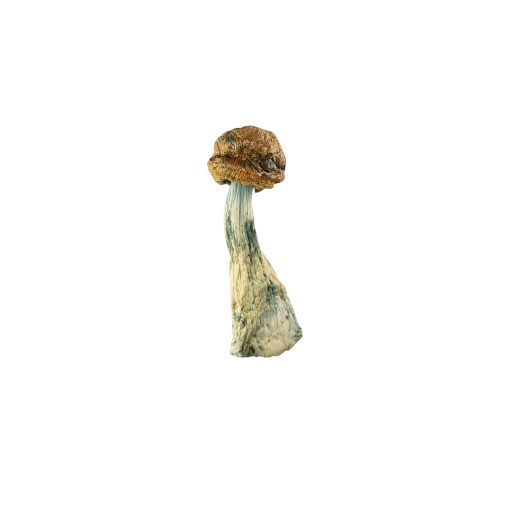
Identifying this fungus (basic identification guide)
Correct identification is essential in farming:
- edible species should be sourced from verified suppliers
- wild mushrooms should not be used without expert identification
- spores and cultures must be clean and contamination-free
Helpful guide:
fungi identification guide (Australian National Botanic Gardens)
Seeds and spores (how mushrooms grow)
Mushrooms do not grow from seeds—they grow from spores.
- spores → develop into mycelium
- mycelium → produces mushrooms
Learn more:
what are spores
Mushroom growing kits in Australia
In Australia, growing kits are widely used for beginners.
Kits typically include:
- substrate (growing medium)
- spores or culture
- instructions for controlled growth
They are suitable for home use in cities like:
- Sydney
- Melbourne
- Perth
Farms and gardens in Australia
Mushrooms can be grown in:
- indoor farms
- controlled commercial facilities
- home gardens
Australian farming focuses on:
- hygiene and quality control
- temperature and humidity regulation
- sustainable production methods
Reference:
Australian agriculture fungi information
Ornamental and decorative mushrooms
Some mushrooms are used for:
- decorative garden features
- educational displays
- artistic purposes
These are often non-edible and should not be consumed.
Edible fungi and nutrition
Edible mushrooms provide:
- dietary fibre
- vitamins (B-complex, D)
- minerals (potassium, selenium)
They are widely used in plant-based diets.
More info:
mushroom nutrition benefits
Types, species, and varieties in farming
Common farmed mushrooms include:
- button mushrooms (Agaricus bisporus)
- oyster mushrooms
- shiitake mushrooms
Explore species diversity:
list of edible mushrooms
Importance of mushroom farming
Mushroom farming is important because it:
- supports sustainable agriculture
- reduces food waste
- provides affordable nutrition
- creates economic opportunities
Microdosing and research context (safety note)
Some discussions around mushrooms include microdosing. Important clarification:
- research exists in controlled environments
- not approved for general use
- regulated by authorities
In Australia, oversight is provided by the
Therapeutic Goods Administration
TGA official website
Safety and identification in farming
- use certified spores or cultures
- maintain clean growing environments
- avoid contamination
- correctly identify all species
Food safety:
Healthdirect Australia
Where to learn more
Visit:
https://psychedelicsandshrooms.com
Internal resources:
- https://psychedelicsandshrooms.com/mushroom-growing-guide
- https://psychedelicsandshrooms.com/mushroom-benefits
External sources:
- Mushroom cultivation
- Nutrition research
- University of Melbourne
https://www.unimelb.edu.au
Frequently asked questions
What is sustainable mushroom farming?
It is growing mushrooms using eco-friendly methods and recycled materials.
Do mushrooms grow from seeds?
No, they grow from spores.
Can I farm mushrooms at home in Australia?
Yes, using kits or controlled environments.
Are all mushrooms edible?
No, only properly identified edible species are safe.
Why is mushroom farming important?
It supports sustainability, nutrition, and efficient food production.
Conclusion
Sustainable mushroom farming offers a low-impact, high-value agricultural solution. From home kits to commercial farms in Australia, mushrooms provide nutrition, environmental benefits, and economic opportunities.
By focusing on proper identification, safe cultivation, and sustainable practices, mushroom farming continues to grow as a key part of modern agriculture.
