
mushroom and shrooms
PTSD Treatment Therapy: Understanding Evidence-Based Care and Recovery
Jun
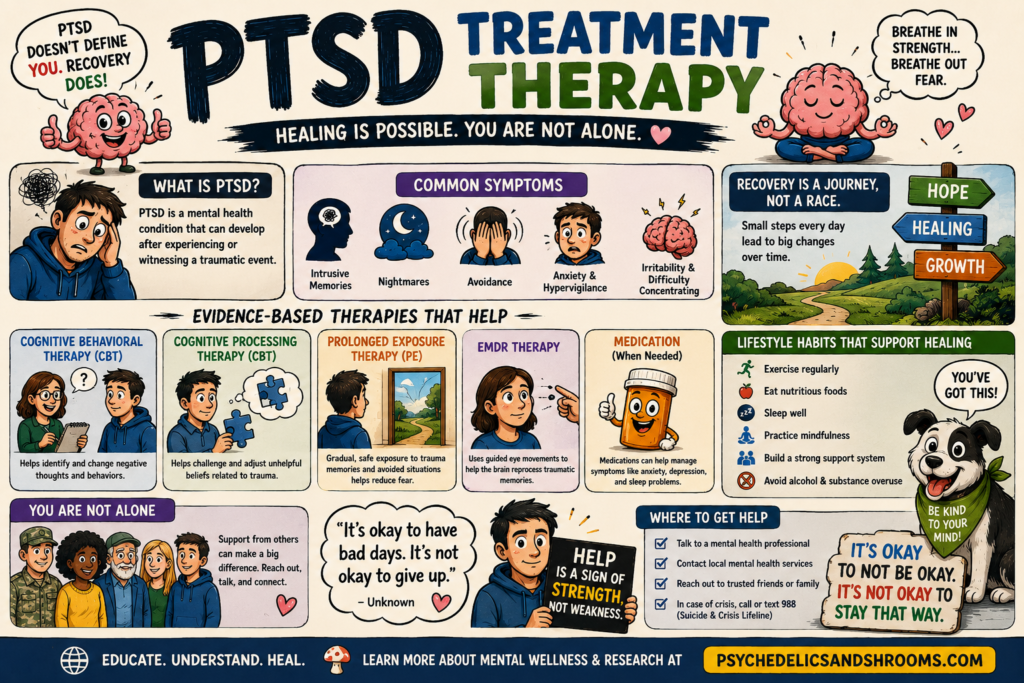
Post-traumatic stress disorder (PTSD) is a mental health condition that can develop after experiencing or witnessing a traumatic event. Although trauma affects people differently, many individuals benefit from evidence-based treatment approaches that help reduce symptoms, improve daily functioning, and support long-term recovery. Today, PTSD treatment therapy continues to evolve as researchers expand their understanding of the brain, trauma, and mental health.
Millions of people worldwide experience PTSD following military combat, serious accidents, natural disasters, abuse, violence, medical emergencies, or other life-threatening situations. Fortunately, advances in psychology, psychiatry, and neuroscience have led to effective therapies that help many people regain stability and improve their quality of life.
Educational resources available at https://psychedelicsandshrooms.com/ provide science-based information about mental wellness, neuroscience, emerging research, and evidence-based discussions related to psychological health.
What Is PTSD?
Post-traumatic stress disorder is a mental health condition characterized by symptoms that persist after exposure to traumatic events. While many people experience temporary stress following trauma, PTSD involves ongoing symptoms that interfere with work, relationships, sleep, and everyday life.
Common symptoms may include:
- Intrusive memories
- Nightmares
- Flashbacks
- Avoidance behaviors
- Hypervigilance
- Difficulty sleeping
- Anxiety
- Irritability
- Emotional numbness
- Difficulty concentrating
Symptoms vary from person to person, and not everyone who experiences trauma develops PTSD.
Why Professional Treatment Matters
PTSD is a medical condition that often benefits from professional evaluation and treatment. Early intervention can improve outcomes and help individuals develop healthy coping strategies.
Mental health professionals create individualized treatment plans based on symptom severity, personal history, medical needs, and treatment goals.
Because PTSD affects both the brain and body, comprehensive treatment often addresses emotional, behavioral, cognitive, and physical aspects of recovery.
Cognitive Behavioral Therapy (CBT)
Cognitive Behavioral Therapy is one of the most widely studied treatments for PTSD.
CBT helps individuals recognize unhelpful thought patterns and develop healthier ways of responding to trauma-related memories and emotions.
During therapy, patients work with trained mental health professionals to identify thinking patterns, improve coping skills, and gradually reduce emotional distress associated with traumatic experiences.
Numerous clinical studies have demonstrated the effectiveness of CBT for many individuals living with PTSD.
Cognitive Processing Therapy (CPT)
Cognitive Processing Therapy is a specialized form of cognitive therapy developed specifically for trauma-related conditions.
The therapy focuses on helping individuals examine beliefs that may have developed following traumatic experiences.
Patients learn to identify and challenge thoughts related to guilt, shame, fear, or self-blame while developing healthier perspectives that support recovery.
CPT remains one of the most widely recommended evidence-based PTSD treatments.
Prolonged Exposure Therapy
Prolonged Exposure Therapy helps individuals gradually and safely confront trauma-related memories, emotions, and situations they may have been avoiding.
Avoidance often reinforces fear over time. Under the guidance of trained professionals, patients learn techniques that help reduce distress associated with traumatic memories.
Research has shown that carefully structured exposure therapy may help decrease PTSD symptoms for many individuals.
Treatment is always conducted within a safe and supportive clinical environment.
Eye Movement Desensitization and Reprocessing (EMDR)
Eye Movement Desensitization and Reprocessing, commonly known as EMDR, is another evidence-based therapy frequently used for PTSD.
EMDR combines structured memory processing with guided bilateral stimulation while patients recall traumatic experiences in a controlled therapeutic setting.
Researchers continue studying the neurological mechanisms involved in EMDR, and numerous clinical guidelines recognize it as an effective treatment option for many individuals with PTSD.
Medication as Part of Treatment
Some individuals benefit from medications prescribed by qualified healthcare professionals.
Depending on individual needs, medications may help reduce symptoms such as anxiety, depression, sleep disturbances, or intrusive thoughts.
Medication decisions should always be made in consultation with licensed medical professionals who can monitor effectiveness and potential side effects.
Many treatment plans combine medication with psychotherapy for a comprehensive approach.
Lifestyle Habits That Support Recovery
Professional therapy often works best when combined with healthy lifestyle habits.
Supportive strategies include:
- Regular physical activity
- Nutritious eating patterns
- Consistent sleep schedules
- Mindfulness practices
- Stress management techniques
- Strong social support
- Limiting alcohol and recreational drug use
These habits help strengthen overall mental and physical well-being throughout the recovery process.
Emerging Research
Researchers continue exploring new approaches to PTSD treatment.
Areas of ongoing investigation include:
- Neuroscience
- Brain imaging
- Digital mental health tools
- Virtual reality therapy
- Psychedelic-assisted therapy (under regulated clinical research settings)
- Neuroplasticity
Although some emerging therapies show promise, many remain under investigation and should not be considered established treatments until supported by sufficient scientific evidence and regulatory approval.
Recovery Takes Time
Recovery from PTSD looks different for every individual.
Some people experience significant improvement within months, while others benefit from ongoing treatment over longer periods. Progress is rarely linear, and occasional setbacks are a normal part of recovery.
Patience, professional support, and consistent treatment often provide the strongest foundation for long-term success.
Seeking help is a sign of strength, and effective treatment options continue improving as research advances.
Final Thoughts
PTSD treatment therapy has advanced significantly over the past several decades. Evidence-based approaches such as Cognitive Behavioral Therapy, Cognitive Processing Therapy, Prolonged Exposure Therapy, EMDR, and appropriate medical care have helped many individuals improve their quality of life and regain emotional stability.
As scientific understanding of trauma continues evolving, researchers remain committed to developing even more effective treatments. Education, early intervention, and access to qualified mental health professionals remain essential components of successful recovery.
For more educational articles about neuroscience, mental wellness, psychology, and emerging research, visit https://psychedelicsandshrooms.com/.
FAQs
What is PTSD treatment therapy?
PTSD treatment therapy includes evidence-based psychological treatments and medical care designed to reduce trauma-related symptoms and improve daily functioning.
What is the most common therapy for PTSD?
Cognitive Behavioral Therapy (CBT), Cognitive Processing Therapy (CPT), EMDR, and Prolonged Exposure Therapy are among the most widely recommended evidence-based treatments.
Can PTSD improve with treatment?
Yes. Many individuals experience meaningful improvement through professional treatment, healthy lifestyle habits, and ongoing support.
Is medication used to treat PTSD?
Some people benefit from medications prescribed by qualified healthcare professionals as part of a comprehensive treatment plan.
Are researchers studying new PTSD treatments?
Yes. Scientists continue investigating neuroscience, digital therapies, virtual reality, and other emerging approaches to trauma treatment.
Where can I learn more about mental health research?
You can explore educational resources and neuroscience articles at https://psychedelicsandshrooms.com/ and https://psychedelicsandshrooms.com/guides/.
