


Ecstacy (MDMA): Brain Effects, Percocet Safety, Oxycodone Anxiety, Long-Term Use and Addiction Treatment
Introduction
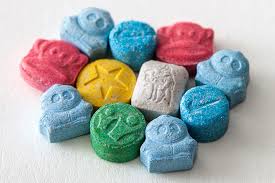
Ecstacy (MDMA)—more commonly spelled Ecstasy (MDMA)—is a synthetic psychoactive drug with both stimulant and hallucinogenic properties. MDMA substantially increases activity in serotonin, dopamine and norepinephrine systems, which helps explain its effects on mood, energy, perception and body temperature. High exposure can also produce dangerous complications, including severe hyperthermia and cardiovascular stress.
Searches surrounding Ecstacy (MDMA) frequently overlap with opioid questions such as how long do Percocets take to kick in, what do Percocets feel like, oxycodone and anxiety, what do Percocets make you feel like, what do Percocets do to u, does oxycodone help with anxiety, long term use of oxycodone, can Percocet help with anxiety, oxycodone addiction treatment drugs, oxycodone panic attack, and oxycodone how much to overdose.
These topics need to be separated carefully. Percocet contains oxycodone and acetaminophen and is a prescription opioid pain medication, whereas MDMA is a stimulant/hallucinogen. Oxycodone should not be used to self-treat anxiety, and there is no single universally safe or lethal amount that can answer “how much to overdose.” Oxycodone can cause serious or fatal respiratory depression, especially during treatment initiation or after dose increases.
Readers can also explore Psychedelics and Shrooms — Educational Resources, Psychedelics and Shrooms — Medication Education, and Psychedelics and Shrooms — Psychoactive Substance Information for additional educational material.
What Is Ecstacy (MDMA)?
Ecstacy (MDMA) refers to 3,4-methylenedioxymethamphetamine, commonly called MDMA, Ecstasy or Molly.
NIDA explains that MDMA increases activity in three important neurotransmitter systems: serotonin, dopamine and norepinephrine. Serotonin is particularly important for mood, social behavior, sleep and emotional processing, while norepinephrine contributes to cardiovascular and stimulant effects.
MDMA can produce heightened energy, altered sensory experience and changes in emotional state, but these effects do not make it medically harmless.
Serious toxicity can involve elevated body temperature, cardiovascular strain and other complications. NIDA’s scientific materials identify hyperthermia as one of the major dangers associated with high-dose or adverse MDMA exposure.
Is MDMA the Same as a Classic Psychedelic?
Not exactly.
Classic serotonergic psychedelics include substances such as LSD and psilocybin. MDMA has a different pharmacological profile because it strongly increases monoamine release rather than producing its characteristic effects primarily through the same receptor mechanisms as classic psychedelics.
MDMA is commonly described as having both stimulant and hallucinogenic or entactogenic properties.
This distinction matters when discussing research, because results from psilocybin or LSD studies cannot automatically be applied to MDMA.
MDMA Effects on the Brain
MDMA produces substantial acute changes in serotonin signaling.
NIDA explains that the serotonin system is one of MDMA’s primary targets, with dopamine and norepinephrine also contributing to its effects.
Potential acute effects can involve altered mood, increased emotional openness, increased energy and sensory changes.
Adverse effects can include anxiety, agitation, sleep disruption, overheating and cardiovascular stress. The exact experience also depends on dose, other substances, individual physiology and whether the substance actually contains MDMA.
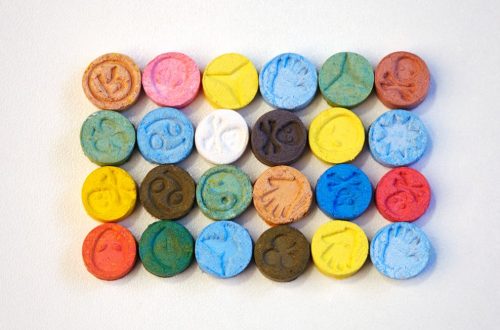
Illicit tablets or powders represented as Ecstasy or Molly cannot be authenticated from appearance alone.
How Are Percocet and Oxycodone Different From MDMA?
Percocet is a prescription combination product containing oxycodone plus acetaminophen. MedlinePlus lists Percocet among oxycodone-acetaminophen combination products.
Oxycodone is an opioid analgesic. Its intended medical role is pain management.
MDMA is not an opioid.
This means the drugs differ in their major mechanisms, expected effects, medical uses and overdose patterns.
For oxycodone, the most dangerous acute toxicity is respiratory depression—breathing becoming dangerously slow or stopping.
How Long Do Percocets Take to Kick In?
People frequently search how long do Percocets take to kick in, but onset should be understood within legitimate prescribing rather than as guidance for recreational use.
Oral oxycodone-acetaminophen begins being absorbed after it is swallowed, but individual onset and peak effects vary according to formulation, food, metabolism and patient factors.
A patient should not take an additional tablet simply because they believe the first dose has not “kicked in” quickly enough. Doing so can increase opioid exposure and also increase acetaminophen exposure.
MedlinePlus specifically warns that oxycodone combination products can cause serious breathing problems and should be taken exactly according to prescription instructions.
What Do Percocets Feel Like?
The phrase what do Percocets feel like is commonly used in recreational searches, but the medically useful answer focuses on therapeutic and adverse effects rather than describing intoxication.
When prescribed appropriately, the intended effect is reduced pain.
Possible side effects can include drowsiness, mental fog, nausea and constipation. Opioids can also slow breathing, which is the central mechanism behind fatal overdose.
Some people can experience mood changes or sedation, but those effects should not be treated as treatment goals.
A drug producing relaxation does not make it an appropriate medication for anxiety.
Sources and Further Reading
NIDA — MDMA (Ecstasy) Research Information explains MDMA’s effects on serotonin, dopamine and norepinephrine and describes important health risks.
MedlinePlus — Oxycodone Drug Information provides current patient information about oxycodone, including dependence and life-threatening respiratory-depression warnings.
PubMed — Medications for Opioid Use Disorder, Withdrawal and Overdose reviews methadone, buprenorphine and naltrexone and reports that methadone and buprenorphine reduce overdose and all-cause mortality.
SAMHSA — Substance Use Disorder Treatment Options explains FDA-approved medications used for opioid use disorder.
Oxycodone and Anxiety
Oxycodone and anxiety can interact in several ways, but oxycodone is not an established anxiety treatment.
Someone may temporarily feel less distressed while sedated or while pain is reduced. That does not mean the opioid is treating an anxiety disorder.
Long-term or problematic opioid use can also complicate mental health. Anxiety can emerge during opioid withdrawal, and MedlinePlus lists anxiety among recognized opioid-withdrawal symptoms.
Using oxycodone specifically to manage anxiety can therefore create a cycle in which short-term relief is followed by tolerance, dependence or withdrawal-related distress.
Does Oxycodone Help With Anxiety?
Oxycodone should not be regarded as an anxiety medication.
It is prescribed for pain.
Evidence-based treatments for anxiety disorders include psychological therapies and, depending on the condition, appropriate psychiatric medications. Opioids are generally not selected as routine treatments for anxiety because their risks include dependence, respiratory depression and opioid use disorder.
Someone who notices that anxiety repeatedly drives opioid use should discuss both the anxiety and medication use with a healthcare professional.
Can Percocet Help With Anxiety?
The same answer applies to can Percocet help with anxiety.
Percocet is an opioid-acetaminophen pain medication rather than an approved anxiety treatment.
Using it for emotional relief rather than prescribed pain can increase the risk of misuse.
The acetaminophen component adds another consideration: excessive exposure can cause serious liver injury, so taking additional tablets for non-pain purposes creates risks beyond oxycodone alone. MedlinePlus notes that acetaminophen-containing narcotic medications have been associated with accidental overdose and death.
Can Oxycodone Cause a Panic Attack?
An oxycodone panic attack is not one simple phenomenon.
Some people may experience anxiety or panic while taking opioids, particularly if they develop concerning physical sensations such as dizziness or shortness of breath.
Withdrawal can also produce agitation and anxiety.
Importantly, difficulty breathing should not automatically be interpreted as “just anxiety” in someone who has taken oxycodone.
Oxycodone can cause serious respiratory depression. Slow breathing, long pauses between breaths, severe sleepiness or inability to awaken requires urgent medical attention.
Long-Term Use of Oxycodone
Long term use of oxycodone can lead to physical dependence and tolerance.
Tolerance means the body becomes less responsive to some effects after repeated exposure.
Physical dependence means withdrawal can occur if regular opioid exposure is suddenly stopped.
Neither automatically means addiction, but long-term opioid exposure can also contribute to opioid use disorder in some patients.
A review of chronic pain and OUD describes their frequent overlap and emphasizes careful assessment and structured treatment when opioid use becomes problematic.
Long-term opioid treatment therefore requires periodic evaluation of whether benefits continue to outweigh risks.
Signs That Oxycodone Use May Be Becoming Problematic
Concern becomes greater when opioid use shifts beyond the treatment plan—for example, when someone repeatedly takes more than prescribed, uses medication primarily for emotional relief, cannot control use, spends substantial time seeking opioids or continues despite serious consequences.
Those patterns can be features of opioid use disorder.
Physical dependence by itself should not be stigmatized as addiction, particularly in patients receiving long-term prescribed therapy.
The distinction should be made through clinical assessment.
Oxycodone Addiction Treatment Drugs
The main oxycodone addiction treatment drugs are the same FDA-approved medications used for opioid use disorder more broadly: buprenorphine, methadone and naltrexone. SAMHSA currently identifies all three as common FDA-approved OUD medications.
Buprenorphine is a partial opioid agonist. SAMHSA describes it as an effective OUD medication that can be prescribed in office-based care.
Methadone is a long-acting full opioid agonist used for OUD through regulated opioid treatment programs in the United States.
Naltrexone blocks opioid receptors and is available in an extended-release injectable form approved for OUD.
A 2026 JAMA review reports that methadone and buprenorphine reduce both overdose mortality and all-cause mortality.
Is Buprenorphine Effective for Oxycodone Addiction?
Yes. Buprenorphine is not specific only to heroin or fentanyl addiction; it is used to treat opioid use disorder regardless of whether problematic opioid use involves oxycodone or another opioid.
SAMHSA explains that buprenorphine’s partial agonist effects can reduce withdrawal and cravings while producing weaker opioid effects than full agonists.
Treatment selection should be individualized rather than assuming one medication is best for every person.
Methadone for Opioid Use Disorder
Methadone has decades of evidence supporting its role in OUD treatment.
In the United States, methadone used for OUD is generally dispensed through SAMHSA-certified opioid treatment programs.
A 2024 review identifies methadone, buprenorphine and naltrexone as the three FDA-approved medications for opioid use disorder.
Methadone and buprenorphine are particularly important because mortality benefits are well supported.
Naltrexone for Oxycodone Addiction
Naltrexone works differently because it blocks opioid receptors rather than activating them.
SAMHSA states that extended-release naltrexone is approved for opioid use disorder.
Because naltrexone can precipitate withdrawal if opioids are still present, treatment initiation requires appropriate medical planning.
That is another reason OUD medications should not be self-selected or started without clinical guidance.
Oxycodone: How Much to Overdose?
There is no universal oxycodone amount that can responsibly answer “oxycodone how much to overdose.”
Overdose risk varies according to tolerance, strength, formulation, other medications, alcohol use, medical conditions and individual physiology.
An amount tolerated by one person can be dangerous to another.
Instead of relying on tablet counts, the clinically useful information is recognizing overdose symptoms.
MedlinePlus identifies opioid overdose warning signs including severe sleepiness or inability to awaken, slow or shallow breathing, limpness, pale or clammy skin and blue lips or fingertips.
What to Know About Naloxone
Naloxone can rapidly reverse opioid effects during an overdose.
MedlinePlus identifies nasal naloxone and injectable forms used in emergencies and emphasizes calling emergency services when overdose symptoms are present.
Naloxone does not treat opioid use disorder by itself, but it can prevent death while emergency care is being provided.
People receiving ongoing opioids, particularly those with overdose risk factors, can discuss naloxone access with a healthcare professional or pharmacist.
Ecstacy (MDMA) vs Oxycodone Overdose
MDMA and oxycodone overdose have different characteristic dangers.
MDMA toxicity can involve severe overheating, cardiovascular stress and neurological complications.
Oxycodone toxicity is especially dangerous because opioid receptor activity can suppress the respiratory drive and result in fatal hypoxia.
The fact that both substances can cause overdose does not make their emergencies identical.
Frequently Asked Questions
1. What is Ecstacy (MDMA)?
Ecstacy (MDMA) refers to MDMA, more commonly spelled Ecstasy. It is a synthetic psychoactive drug with stimulant and hallucinogenic properties that affects serotonin, dopamine and norepinephrine.
2. Is Ecstacy the correct spelling?
“Ecstasy” is the standard spelling, although Ecstacy (MDMA) is a common search variation.
3. How long do Percocets take to kick in?
Oral effects develop after absorption, but timing varies by formulation and patient factors. Prescription doses should not be repeated early in an attempt to speed up effects.
4. What do Percocets feel like?
The intended medical effect is pain reduction. Possible adverse effects include drowsiness, mental fog, nausea, constipation and respiratory depression.
5. What do Percocets do to you?
Percocet combines oxycodone with acetaminophen to treat pain. Oxycodone acts on opioid receptors, while acetaminophen provides additional analgesic activity.
6. Does oxycodone help with anxiety?
Oxycodone is not an established anxiety medication and should not be used as a substitute for evidence-based anxiety treatment.
7. Can Percocet help with anxiety?
Percocet is prescribed for pain rather than anxiety. Using it mainly for emotional relief can increase misuse and dependence risks.
8. Can oxycodone cause anxiety or panic?
Anxiety can occur during opioid use or withdrawal. Breathing difficulty after oxycodone should be evaluated urgently rather than automatically assumed to be a panic attack.
9. What happens with long-term oxycodone use?
Tolerance and physical dependence can develop, and some individuals develop opioid use disorder.
10. Is physical dependence the same as addiction?
No. Physical dependence can occur during legitimate medical treatment, while addiction involves a broader problematic pattern of opioid use and impairment.
11. What drugs treat oxycodone addiction?
Buprenorphine, methadone and naltrexone are FDA-approved medications for opioid use disorder.
12. Does opioid addiction treatment work?
Yes. Methadone and buprenorphine reduce overdose and all-cause mortality in people with opioid use disorder.
13. How much oxycodone causes an overdose?
There is no universal number. Risk varies greatly among individuals, and providing a tablet-count threshold would be medically misleading.
14. What are opioid overdose warning signs?
Extreme sleepiness or unconsciousness, slow or shallow breathing, blue lips or fingertips, limpness and inability to awaken are major warning signs.
15. Can naloxone reverse an oxycodone overdose?
Yes. Naloxone can reverse dangerous opioid effects and should be accompanied by emergency medical care when an overdose is suspected.
Responsible MDMA and Opioid Education
Ecstacy (MDMA) belongs to a very different drug category from Percocet and oxycodone. MDMA primarily alters monoamine signaling and can produce stimulant, emotional and perceptual effects, while oxycodone is an opioid analgesic whose major overdose danger is potentially fatal respiratory depression.
Searches such as what do Percocets feel like and what do Percocets make you feel like are better answered through medical effects and risks rather than descriptions designed to promote intoxication.
Likewise, oxycodone and anxiety deserves careful interpretation. A temporary sense of sedation is not the same as treating an anxiety disorder, and opioid withdrawal itself can produce anxiety.
Long-term problematic oxycodone use is treatable. Current evidence supports buprenorphine, methadone and naltrexone for opioid use disorder, with particularly strong mortality evidence for methadone and buprenorphine.
Finally, questions asking exactly how much oxycodone causes an overdose should focus on recognizing respiratory depression rather than searching for a supposedly safe threshold. Opioid response varies substantially among individuals, and serious breathing problems can occur even during prescribed treatment.
| Quantity | 100 Pills, 150 Pills |
|---|
Be the first to review “Ecstacy (MDMA)”
Related products
Pharmaceuticals
Pharmaceuticals
Psyschedelics
Psyschedelics
Pharmaceuticals
Microdose Shrooms
Pharmaceuticals
Psyschedelics
Reviews
There are no reviews yet.