
Ibogaine: Addiction Research, Inpatient Rehab, Medical Detox and Low-Cost Treatment Options
Introduction
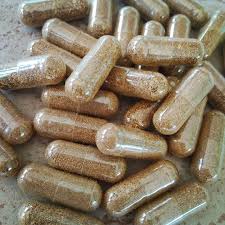
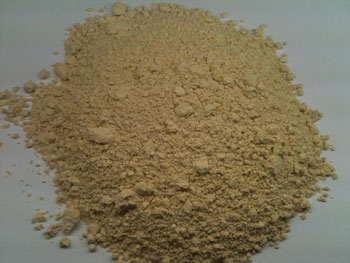
Ibogaine is a psychoactive indole alkaloid derived from the West African plant Tabernanthe iboga. It has attracted attention because some observational and early clinical research suggests possible effects on opioid withdrawal, craving and other substance-use outcomes. At the same time, ibogaine carries significant safety concerns, particularly involving cardiac rhythm disturbances and QT prolongation. A systematic review found reports of severe medical complications and deaths associated with ibogaine exposure.
In the United States, ibogaine remains a Schedule I controlled substance and is not an FDA-approved addiction treatment. The legal landscape has not changed simply because research interest is increasing. In April 2026, FDA allowed an early-phase U.S. clinical study of noribogaine hydrochloride, an ibogaine metabolite/derivative, to move forward for alcohol use disorder; that is a research authorization, not approval of ibogaine as a treatment.
Searches surrounding Ibogaine also include in patient drug rehab, free alcohol rehab near me, prescription drug rehab, rehab for drugs and alcohol, alcohol detox centers, long term treatment centers, free rehab facilities, drug rehab for young adults, rehab centers that take medical, medical detox facility, meth rehab centers, alcohol detox clinic, state funded rehab, heroin rehab centers, and rehabilitation alcohol program. These are important because established addiction treatment already exists in the United States without relying on ibogaine.
Readers can also explore Psychedelics and Shrooms for broader educational material about psychedelics, medications and substance-use science.
What Is Ibogaine?
Ibogaine is a naturally occurring psychoactive compound found principally in Tabernanthe iboga.
Its pharmacology is unusually complex. Scientific reviews describe activity across several systems, including opioid, serotonin, dopamine, NMDA and nicotinic acetylcholine pathways.
That complexity is one reason researchers have investigated ibogaine for addiction.
Reports and small studies have suggested possible reductions in:
- opioid withdrawal symptoms;
- cravings;
- relapse;
- depressive symptoms;
- trauma-related symptoms.
However, the evidence is not strong enough to treat ibogaine as an established substitute for FDA-approved addiction medications.
Is Ibogaine FDA Approved?
No.
As of August 2026, ibogaine itself is not an FDA-approved medication for opioid use disorder, alcohol use disorder or another addiction condition in the United States.
DEA currently identifies ibogaine as a Schedule I controlled substance with no accepted medical use under U.S. federal law.
The FDA’s April 2026 action involving noribogaine hydrochloride is important but should not be misrepresented. FDA allowed an investigational early-phase study for alcohol use disorder to proceed; the agency explicitly described it as the first U.S. clinical study of an ibogaine derivative allowed under an IND.
Clinical investigation does not equal approval.
Why Is Ibogaine Being Studied for Addiction?
Ibogaine has generated interest because some studies report rapid reductions in withdrawal symptoms and craving.
A systematic literature review found evidence suggesting possible benefits across substance-use disorders, particularly withdrawal and craving, while simultaneously emphasizing severe medical complications and fatalities.
A newer 2025 review of psychedelics for opioid use disorder found that the overall evidence remained mixed and methodologically uncertain, with cardiovascular risk being a particular concern for iboga-related compounds.
That balance is important.
Promising does not mean proven, and an intervention that may affect withdrawal can still have substantial medical risk.
Ibogaine and Cardiac Safety
The heart is one of the central safety concerns.
Ibogaine has been associated with:
- QT-interval prolongation;
- ventricular arrhythmias;
- tachyarrhythmias;
- cardiac arrest;
- sudden death.
A toxicology review identified multiple fatalities and described cases of ventricular arrhythmias and QT prolongation even in individuals without known pre-existing cardiovascular disease.
More recent reviews continue to identify cardiotoxicity as one of the major unresolved barriers to routine clinical use.
This is one reason unsupervised ibogaine use or poorly regulated treatment settings can be especially risky.
Ibogaine and Psychiatric Risks
Cardiac effects are not the only concern.
Case reports have described significant neuropsychiatric reactions, including mania following ibogaine exposure.
A person considering any investigational psychedelic intervention would need evaluation for:
- psychiatric history;
- cardiovascular disease;
- other medications;
- electrolyte abnormalities;
- substance-use patterns;
- drug interactions.
That type of assessment is part of what separates regulated clinical research from unverified addiction-treatment tourism.
Ibogaine vs Evidence-Based Addiction Treatment
The strongest currently established treatments depend on the substance involved.
For opioid use disorder, medications such as:
- buprenorphine;
- methadone;
- naltrexone
have established treatment roles.
For alcohol use disorder, evidence-based medication options include agents such as naltrexone and acamprosate.
For stimulant use disorders, behavioral approaches including contingency management have substantial evidence.
Therefore, seeking ibogaine is not the only path available when someone is dealing with heroin, prescription opioid, alcohol or methamphetamine addiction.
Sources and Further Reading
DEA — Ibogaine enforcement and federal status identifies ibogaine as a Schedule I controlled substance in the United States.
FDA — 2026 action on noribogaine research explains that an early-phase U.S. clinical study of noribogaine hydrochloride is moving forward for alcohol use disorder.
PubMed — Systematic Review of Ibogaine Clinical Research summarizes evidence concerning addiction-related benefits as well as neurotoxicity, cardiotoxicity and reported deaths.
SAMHSA — FindTreatment.gov is a confidential U.S. treatment locator for mental-health and substance-use treatment.
Readers can also explore Psychedelics and Shrooms — Educational Resources.
What Is In Patient Drug Rehab?
In patient drug rehab generally means a treatment setting in which a person stays at a facility while receiving structured addiction care.
Inpatient or residential care can be useful when someone needs:
- intensive structure;
- medically supervised withdrawal;
- psychiatric stabilization;
- protection from an unstable environment;
- 24-hour support;
- treatment for severe substance use.
Not everyone with addiction requires inpatient treatment.
Some patients can receive effective care through outpatient treatment, medication management and counseling.
What Is Medical Detox?
A medical detox facility manages withdrawal and acute medical risks under professional supervision.
Detoxification is not the same as complete addiction treatment.
It primarily addresses the initial physiological phase of stopping a substance.
This distinction is especially important for:
alcohol, because withdrawal can become dangerous;
benzodiazepines, because severe withdrawal can involve seizures;
and opioids, because withdrawal can be intense and relapse after loss of tolerance can increase overdose risk.
A medical detox program should ideally connect patients directly into ongoing treatment rather than ending care when withdrawal symptoms improve.
Alcohol Detox Centers
Alcohol detox centers specialize in evaluating and managing people at risk for alcohol withdrawal.
The appropriate setting depends on severity.
Some people can be managed outpatient. Others require medically monitored or inpatient detox because of factors such as:
- previous withdrawal seizures;
- delirium tremens;
- substantial daily alcohol consumption;
- severe medical illness;
- unstable psychiatric conditions.
Someone with substantial alcohol dependence should not assume that abruptly stopping alone is always safe.
What Is an Alcohol Detox Clinic?
An alcohol detox clinic may offer evaluation, medication, monitoring and referral to longer-term care.
The key question is whether the clinic offers legitimate medical oversight.
A good detox program should assess:
- withdrawal history;
- other substances;
- medications;
- liver and cardiovascular health;
- psychiatric symptoms;
- nutrition;
- risk of seizures or delirium.
Detox alone also does not necessarily address the triggers and behaviors associated with alcohol use disorder.
Rehabilitation Alcohol Program
A rehabilitation alcohol program goes beyond acute detoxification.
Treatment can include:
- counseling;
- medication for alcohol use disorder;
- relapse-prevention planning;
- group therapy;
- family support;
- psychiatric care;
- continuing recovery services.
Treatment intensity can vary from standard outpatient therapy to residential rehabilitation.
Rehab for Drugs and Alcohol
Rehab for drugs and alcohol can address polysubstance use rather than focusing on only one drug.
This is increasingly important because many people use more than one substance.
For example, someone may have:
- alcohol use disorder;
- opioid use disorder;
- stimulant use;
- benzodiazepine dependence;
- depression or anxiety.
A program that assesses all substances and co-occurring mental-health conditions is generally more useful than one that treats only a single drug in isolation.
Prescription Drug Rehab
Prescription drug rehab can address problematic use of medications such as:
- oxycodone;
- hydrocodone;
- benzodiazepines;
- prescription stimulants;
- sedatives.
The fact that a medication began as a legitimate prescription does not prevent dependence or addiction from developing.
Treatment should also distinguish physical dependence from a substance use disorder.
For opioid-related prescription problems, medications for opioid use disorder may be appropriate.
Heroin Rehab Centers
Heroin rehab centers generally treat opioid use disorder.
Evidence-based opioid treatment should include access to or referral for medications such as buprenorphine or methadone when clinically appropriate.
Residential therapy without evidence-based medication is not automatically the best treatment simply because heroin use is severe.
The most effective plan depends on the person, medical needs and treatment history.
Meth Rehab Centers
Meth rehab centers treat methamphetamine or stimulant use disorder.
Unlike opioid use disorder, there is not yet an FDA-approved medication with the same established role as buprenorphine or methadone.
Behavioral treatment is therefore particularly important.
Contingency management is one of the most strongly supported approaches for stimulant use disorders.
Other treatment can include cognitive behavioral therapy and management of co-occurring psychiatric problems.
Drug Rehab for Young Adults
Drug rehab for young adults should ideally be developmentally appropriate.
Young adults can have different needs involving:
- school;
- employment;
- family relationships;
- housing;
- peer networks;
- trauma;
- psychiatric conditions.
Programs designed specifically for younger adults may integrate these issues more directly into treatment.
Age-specific treatment should still use evidence-based addiction care rather than relying mainly on branding or luxury amenities.
Long Term Treatment Centers
Long term treatment centers generally provide extended residential or highly structured addiction care.
Longer stays can help some people who have:
- repeated relapses;
- unstable housing;
- severe co-occurring mental illness;
- limited recovery support;
- substantial functional impairment.
But longer is not always automatically better.
Treatment duration should reflect clinical need, progress and the quality of ongoing care.
Free Alcohol Rehab Near Me
For U.S. residents, free alcohol rehab near me is best approached through government-supported treatment locators rather than relying only on advertisements.
SAMHSA’s FindTreatment.gov allows users to search treatment facilities throughout the United States and its territories. The service is confidential and anonymous.
SAMHSA also provides resources specifically for people without insurance and explains how to find low-cost and publicly supported care.
Free Rehab Facilities
Free rehab facilities may be supported through:
- state programs;
- nonprofit organizations;
- federal or state grants;
- Medicaid;
- sliding-scale fees;
- community behavioral-health systems.
SAMHSA specifically lists sliding fee-scale providers and other free or low-cost treatment options.
“Free” does not necessarily mean residential treatment. It can include outpatient counseling, medication management, community clinics and publicly funded addiction programs.
State Funded Rehab
State funded rehab refers to substance-use treatment receiving public funding.
SAMHSA’s Substance Abuse Prevention and Treatment Block Grant program has historically served as a safety net for people without adequate insurance or financial resources who need specialty substance-use treatment.
Eligibility and availability vary by state.
Someone searching for state-funded care can begin with FindTreatment.gov and the state’s behavioral-health or substance-use agency.
Rehab Centers That Take Medical
The phrase rehab centers that take medical may refer to Medicaid or, in California, Medi-Cal.
Coverage depends on the state and treatment facility.
SAMHSA provides state-specific information about Medicaid and CHIP behavioral-health resources.
When contacting a program, it is useful to ask specifically whether it accepts the person’s exact insurance plan and which levels of care are covered.
Is Free Rehab Lower Quality?
Not necessarily.
Price and clinical quality are different things.
A publicly funded or nonprofit program can offer evidence-based treatment, while an expensive private residential center may spend heavily on amenities without necessarily providing superior clinical care.
Important quality indicators include:
- licensed clinical staff;
- access to evidence-based medications;
- appropriate withdrawal management;
- psychiatric assessment;
- individualized treatment planning;
- follow-up and continuing care.
Ibogaine vs Medical Detox
Ibogaine is sometimes promoted as a rapid “detox” approach, particularly for opioids.
That language can be misleading.
Even if ibogaine reduces withdrawal symptoms in some individuals, it does not eliminate the need for:
- cardiovascular screening;
- ongoing addiction treatment;
- relapse prevention;
- overdose prevention;
- psychiatric care;
- long-term recovery support.
Moreover, ibogaine introduces its own significant cardiac risks.
Established medical detox programs use regulated clinical protocols rather than assuming one psychedelic session resolves addiction.
Ibogaine and Opioid Withdrawal
One of the most studied potential uses of ibogaine involves opioid withdrawal.
Observational studies and reviews describe reductions in withdrawal severity and craving among some participants.
However, the evidence base remains limited by small sample sizes, inconsistent study designs and safety concerns.
For opioid use disorder, well-established treatments already exist, particularly methadone and buprenorphine.
Any discussion of ibogaine should therefore explain both the research interest and the availability of proven alternatives.
Ibogaine and Alcohol Use Disorder
Alcohol-related research is evolving.
FDA’s April 2026 announcement is especially relevant because an early-phase U.S. study of noribogaine hydrochloride is investigating possible treatment for alcohol use disorder.
This is scientifically important, but it does not mean people should seek unregulated ibogaine for alcohol dependence.
Alcohol withdrawal itself can be medically dangerous, making professional assessment especially important.
Frequently Asked Questions
1. What is Ibogaine?
Ibogaine is a psychoactive alkaloid derived from Tabernanthe iboga that has been investigated for possible effects on addiction, withdrawal and craving.
2. Is ibogaine legal in the USA?
Ibogaine remains a Schedule I controlled substance under U.S. federal law.
3. Is ibogaine FDA approved?
No. Ibogaine is not FDA-approved for addiction treatment.
4. Is ibogaine being researched in the United States?
Yes. In April 2026, FDA allowed an early-phase U.S. clinical study of noribogaine hydrochloride for alcohol use disorder to proceed.
5. Can ibogaine help opioid withdrawal?
Studies and reviews have reported possible reductions in withdrawal and craving, but evidence remains limited and important cardiac risks exist.
6. Is ibogaine dangerous?
It can be. Published research associates ibogaine with QT prolongation, ventricular arrhythmias and reported deaths.
7. What is inpatient drug rehab?
It is addiction treatment in which the patient remains at a facility for structured, around-the-clock care.
8. What is a medical detox facility?
It is a healthcare setting that evaluates and treats withdrawal and related medical risks.
9. Where can I find free alcohol rehab?
SAMHSA’s FindTreatment.gov can locate treatment programs throughout the United States and territories, while SAMHSA also provides resources for free and low-cost care.
10. Are there state-funded rehab programs?
Yes. Public funding and block-grant programs help support treatment for people who lack sufficient insurance or financial resources.
11. Are there rehab centers that accept Medicaid?
Yes. Availability depends on the state and program, and SAMHSA provides state-specific Medicaid behavioral-health resources.
12. Do heroin rehab centers use medication?
Evidence-based opioid treatment can include medications such as methadone, buprenorphine and naltrexone.
13. How is methamphetamine addiction treated?
Behavioral approaches, particularly contingency management, play an important role because no medication has the same established FDA-approved role as opioid-use-disorder medications.
14. Is detox the same as rehab?
No. Detox primarily manages withdrawal; rehabilitation addresses longer-term behavioral, psychological and recovery needs.
15. Is ibogaine a substitute for rehab?
Current evidence does not support treating ibogaine as a complete replacement for evidence-based addiction treatment, ongoing medical care and relapse-prevention support.
Responsible Ibogaine and Addiction-Treatment Education
Ibogaine is scientifically intriguing but medically complicated. Reviews describe potentially meaningful reductions in withdrawal and craving while simultaneously documenting serious cardiac toxicity and deaths.
Its U.S. legal status is also clear: ibogaine remains Schedule I. The FDA’s 2026 authorization of an early-phase noribogaine study represents research progress—not approval of ibogaine clinics or ordinary medical prescribing.
For people searching in patient drug rehab, alcohol detox centers, prescription drug rehab, heroin rehab centers, meth rehab centers, or rehabilitation alcohol programs, established treatment options already exist across multiple levels of care.
Financial barriers also do not necessarily make treatment inaccessible. SAMHSA provides confidential treatment locators, resources for uninsured patients and guidance on free, low-cost and publicly funded services.
The most useful public education therefore presents ibogaine as an investigational substance with meaningful safety concerns while directing readers toward evidence-based medical detox, rehabilitation and long-term substance-use treatment.
| Quantity | 1/2 Oz, 1 Oz, Qp, Hp, Lbs |
|---|
Be the first to review “Ibogaine”
Related products

Psyschedelics
Psyschedelics

Microdose Shrooms
Psyschedelics
Pharmaceuticals
Psyschedelics
Psyschedelics
Pharmaceuticals
Reviews
There are no reviews yet.