Mastermind Milk Chocolate Bar: Mushroom Identification, Psilocybin Research, and Natural Mental Wellness
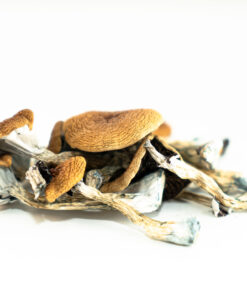
Mushrooms have captured public attention because of their ecological importance, nutritional value, and the growing body of scientific research surrounding certain species. Mastermind Milk Chocolate Bar is a keyword often associated with mushroom education and wellness discussions. Whether you’re curious about red mushrooms in NC, mushroom identification NC, types of Psilocybe, or current research into mental health, learning from reliable scientific sources is essential. For more educational articles about fungi, mushroom science, and psychedelic research, visit PsychedelicsAndShrooms.com.
Many readers also search for topics including psychedelic little brown mushroom, blue and white psychedelic mushrooms, philosopher stone mushroom, black psychedelic mushrooms, shrooms identification, Virginia magic mushrooms, psilocybin mushrooms in Virginia, magic mushrooms visuals, visual effects of mushrooms, and ways to combat depression naturally. Understanding these subjects through an educational lens helps separate scientific evidence from myths and misinformation.
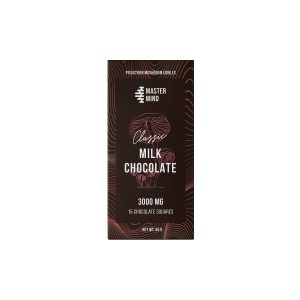
Understanding Mastermind Milk Chocolate Bar
The phrase Mastermind Milk Chocolate Bar commonly appears alongside discussions about mushrooms and functional ingredients. While product names often generate interest, they should not be confused with scientific evidence. Researchers continue to study edible mushrooms, medicinal fungi, and psilocybin-containing species to better understand their chemistry, ecology, and potential medical applications under carefully controlled conditions.
Current research emphasizes safety, quality, and evidence-based medicine rather than anecdotal claims.
Mushroom Identification in North Carolina
Searches for red mushrooms in NC and mushroom identification NC reflect the rich fungal diversity found throughout North Carolina. The state’s forests, mountains, and coastal regions support thousands of mushroom species, many of which vary in color, size, and habitat.
Accurate mushroom identification requires careful examination of multiple characteristics, including cap shape, gill attachment, stem features, spore print color, habitat, season, and microscopic traits. Because many edible and poisonous mushrooms resemble one another, experts recommend never consuming a wild mushroom unless it has been positively identified by a qualified mycologist.
Psilocybe Species and Ongoing Research
Scientists continue to study the types of Psilocybe to better understand fungal taxonomy, genetics, ecology, and naturally occurring compounds. Public searches may include terms such as psychedelic little brown mushroom, blue and white psychedelic mushrooms, black psychedelic mushrooms, and philosopher stone mushroom, but these descriptions are not sufficient for scientific identification because many unrelated fungi share similar appearances.
Likewise, searches for shrooms identification, Virginia magic mushrooms, and psilocybin mushrooms in Virginia often reflect curiosity about fungal biodiversity and evolving clinical research. Educational resources focus on taxonomy, conservation, legal considerations, and scientific findings rather than identifying or locating regulated mushroom species in the wild.
Visual Effects and Clinical Research
Another common topic involves magic mushrooms visuals and the visual effects of mushrooms. Clinical research has found that psilocybin can alter perception, including changes in colors, patterns, depth perception, and the interpretation of sensory information. The specific effects vary greatly between individuals and research settings, and studies are conducted under strict medical and ethical supervision.
Scientists continue to investigate these effects to better understand brain function and the potential therapeutic applications of psychedelic-assisted psychotherapy.
Ways to Combat Depression Naturally
Many people search for ways to combat depression naturally. While natural lifestyle habits cannot replace professional medical care for clinical depression, research supports several healthy practices that may contribute to overall mental well-being:
- Regular physical activity.
- Consistent sleep habits.
- A balanced, nutrient-rich diet.
- Spending time outdoors and in natural environments.
- Maintaining supportive social relationships.
- Practicing mindfulness, meditation, or stress-management techniques.
- Seeking professional counseling or therapy when needed.
Anyone experiencing persistent depression, hopelessness, or thoughts of self-harm should seek prompt evaluation from a qualified healthcare professional. Early treatment often leads to better outcomes.
Conclusion
Whether you’re researching Mastermind Milk Chocolate Bar, exploring types of Psilocybe, learning about mushroom identification NC, or looking for ways to combat depression naturally, evidence-based education provides the most reliable foundation for informed decision-making. Continued scientific research is expanding our understanding of mushrooms, mental health, and fungal biodiversity while promoting safe and responsible learning. For more educational mushroom articles and research updates, visit PsychedelicsAndShrooms.com.
For additional educational information, explore National Institute of Mental Health (NIMH) and Encyclopaedia Britannica – Fungi.
Be the first to review “Mastermind Milk Chocolate Bar”
Related products
Mushrooms
Mushrooms
Mushrooms
Mushrooms
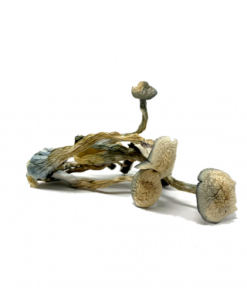
Mushrooms
Microdose Shrooms
Mushrooms
Reviews
There are no reviews yet.