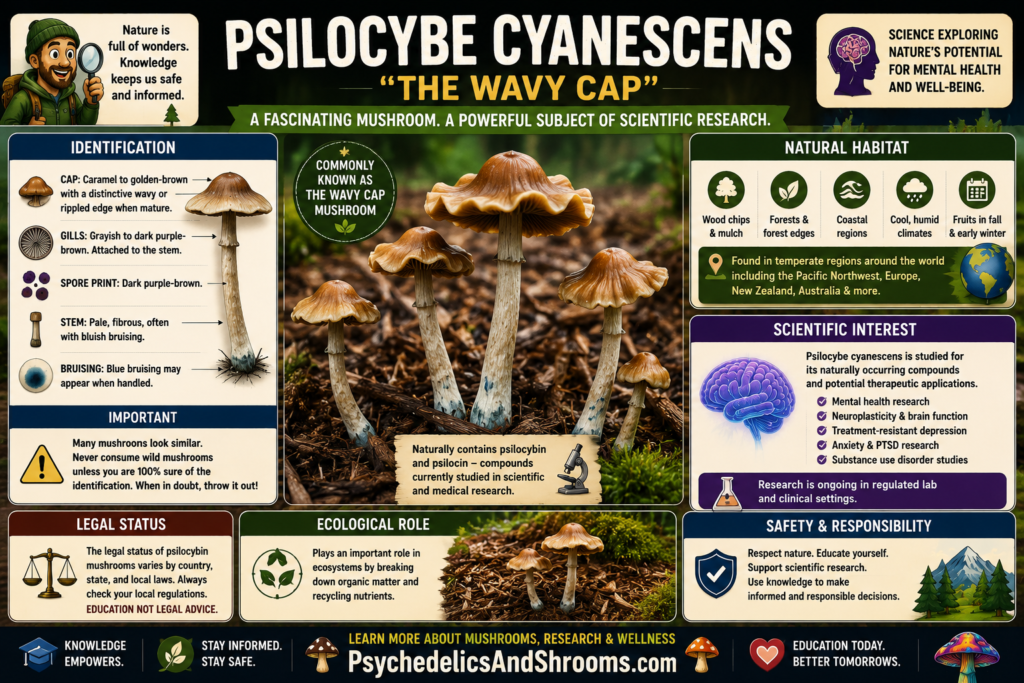
Psilocybe cyanescens is one of the best-known species of psilocybin-containing mushrooms and has attracted the attention of mycologists, ecologists, and neuroscience researchers for decades. Known for its distinctive wavy cap, this mushroom grows naturally in temperate regions around the world and has become an important subject in scientific studies involving fungi and naturally occurring psychedelic […]
Tag Archives: psilocybin research
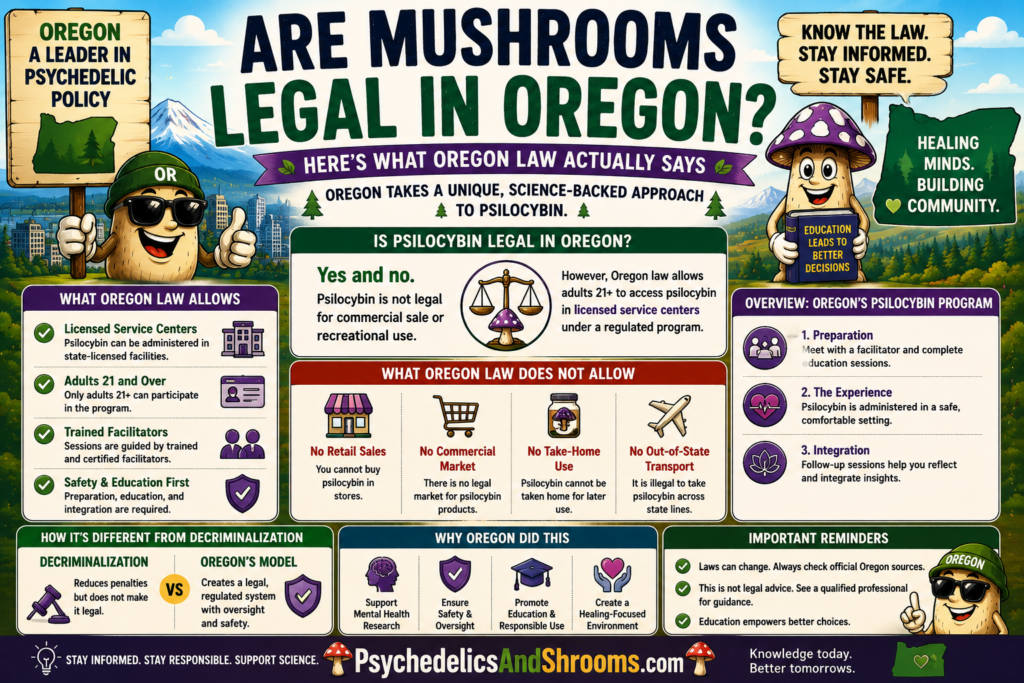
Oregon has become one of the most frequently discussed states in conversations about psychedelic policy and mental health research. Many people search online asking, “Are mushrooms legal in Oregon?” The answer is more complex than a simple yes or no. Oregon has adopted a unique legal framework that differs significantly from most other states, making […]
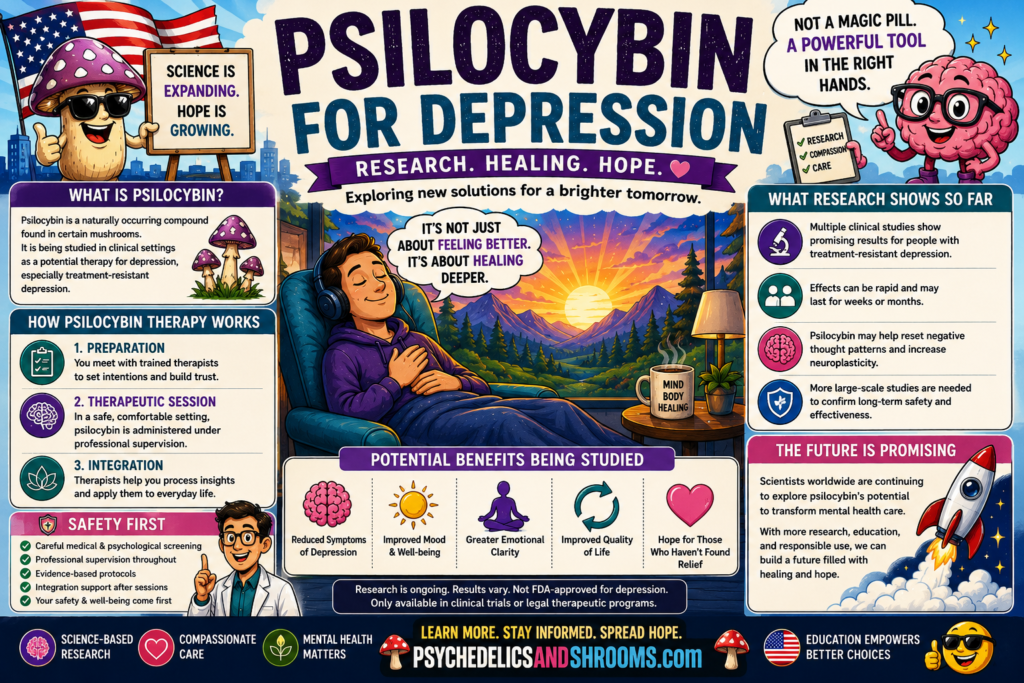
Depression is one of the most common mental health conditions worldwide, affecting millions of people every year. Although many individuals benefit from psychotherapy, lifestyle changes, and prescribed medications, some continue to experience symptoms despite receiving standard treatment. This challenge has encouraged researchers to explore new therapeutic approaches, including psilocybin-assisted therapy. Over the past decade, universities, […]
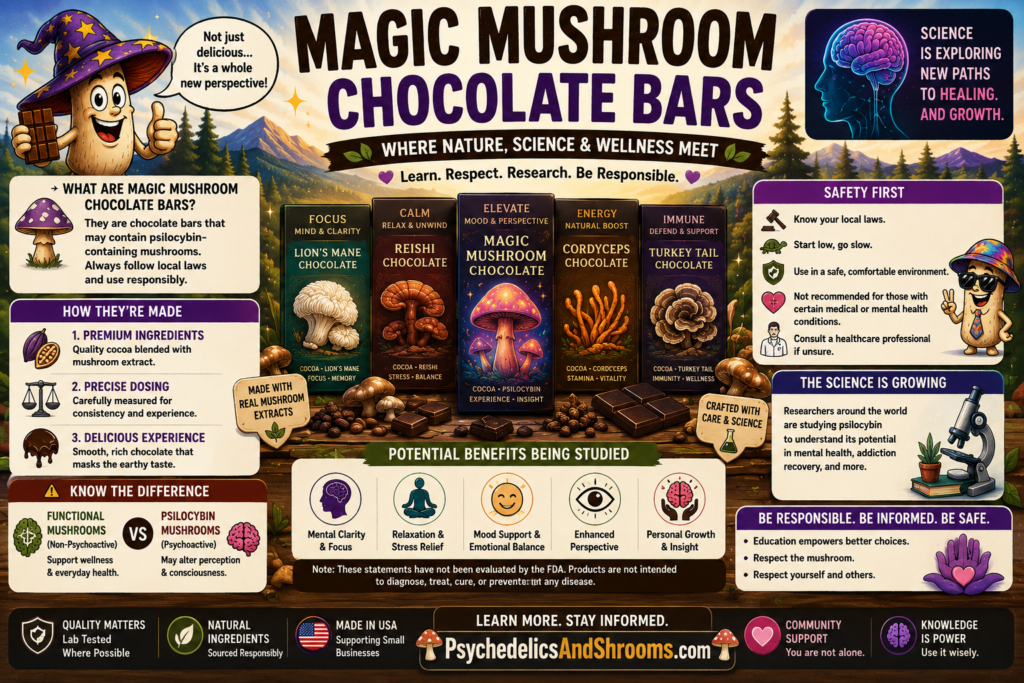
Magic mushroom chocolate bars have become a widely discussed topic as public interest in mushroom-related products continues to grow. These products combine chocolate with ingredients associated with certain mushroom species and are often mentioned in conversations about psychedelic research, neuroscience, and mental health. However, there is often confusion between functional mushroom chocolate and products associated […]
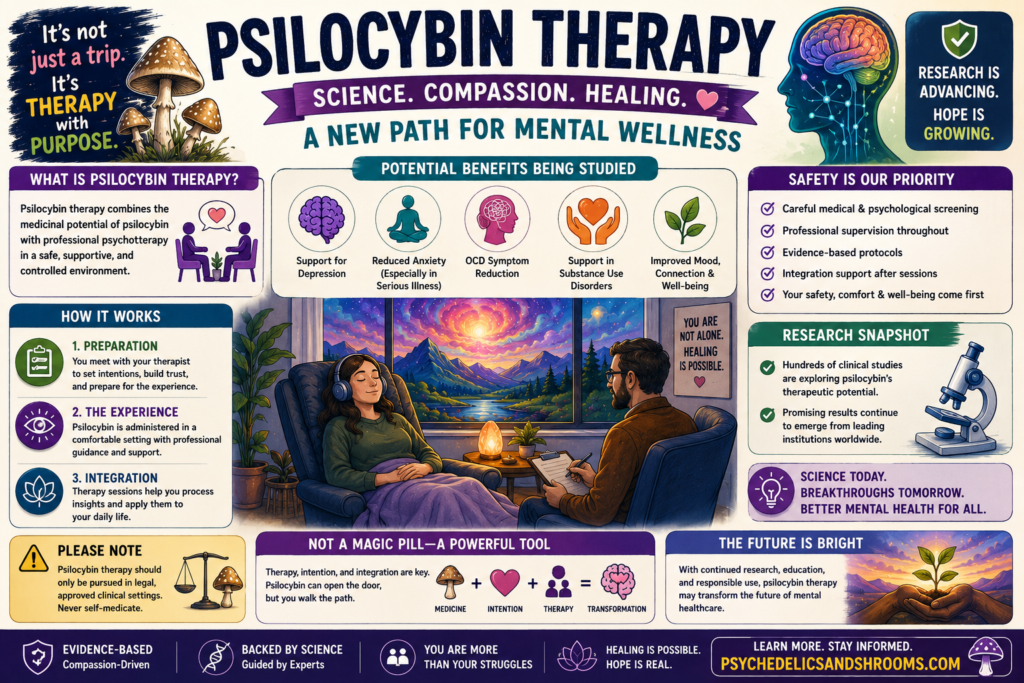
Psilocybin therapy has become one of the most researched areas in modern mental health science. Over the last decade, universities, hospitals, and medical research institutions have expanded clinical studies investigating whether psilocybin-assisted therapy may help certain individuals living with specific mental health conditions. While research continues to evolve, early findings have encouraged additional scientific investigation […]
- 1
- 2